Gene Therapy UAE: UAE launches pioneering gene therapy to treat autism and rare brain diseases in children World News

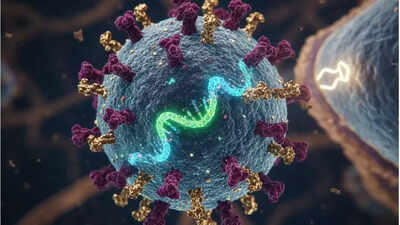
The UAE has officially entered a new era of “precision medicine”. Moving beyond simply managing symptoms, the Emirates Health Services (EHS) recently launched two ambitious gene therapy projects aimed at tackling the root causes of autism and rare brain diseases. By utilizing genetic engineering, the UAE does more than just treat patients, it aims to “fix” the biological blueprint that causes these diseases in the first place.
Gene therapy in UAE
The United Arab Emirates has launched two groundbreaking gene therapy programs focused on treating serious neurological and genetic diseases in children. These efforts mark a major shift from traditional symptom-based care to addressing the underlying genetic causes of disease, potentially transforming neurodevelopmental health care in the region.One key project focuses on the genetic causes associated with autism and epilepsy. It was developed in partnership with the Children’s Hospital of Philadelphia (CHOP), a world-renowned pediatric research center.Scientists will work on enhanced gene delivery systems targeting specific brain cells, which could:
- Improve treatment effect
- Reduce required dose
- Improve overall security
- Reduce long-term treatment costs
The project specifically includes rare diseases such as beta-propeller protein-associated neurodegeneration (BPAN), which typically begins in childhood with autism-like symptoms and seizures and then progresses to severe motor and cognitive decline.This strategy represents a major scientific shift because it aims to treat the underlying genetic cause rather than just controlling symptoms.
Genetic intervention for brain diseases
The second gene therapy program focuses on neurodegenerative diseases. Researchers will explore ways to repair defective genes and use advanced technologies such as:
- Cell therapy models to study disease progression
- Biomarker identification to track disease and treatment response
- Tools to better understand how brain diseases evolve over time
Artificial intelligence and data analytics will help researchers understand genetic information collected through national programs such as the Emirates Genome Project to provide early diagnosis and intervention for at-risk children.This approach relies on cutting-edge technology and global expertise to improve treatment precision and open the door to future treatments for genetic diseases.
UAE’s healthcare vision
Leading EHS experts describe these projects as part of a “strategic shift” in health care away from traditional care models and toward evidence-based, innovation-driven treatments that directly address the causes of genetic diseases.Dr. Issam Al Zarooni, Executive Director of Medical Services at EHS, emphasized that this direction aims to improve the quality of life and local capabilities in advanced medicine and biotechnology.Meanwhile, Dr. Noor Al Mheiri, Director of Mental Health and Attending Physicians at EHS, stressed that combining scientific research with responsible clinical application is key to alleviating the psychological, social and financial burden faced by families.
Why is this important?
Autism and rare neurogenetic disorders affect thousands of families globally and in the UAE. Researchers have long explored genetic and early diagnostic methods, including genome sequencing and machine learning diagnostic tools, to better understand and detect these diseases.The new project in the UAE builds on this broader scientific momentum, raising hope for earlier, more effective and personalized treatments that may one day change the way conditions such as monogenic autism and other brain disorders are treated.