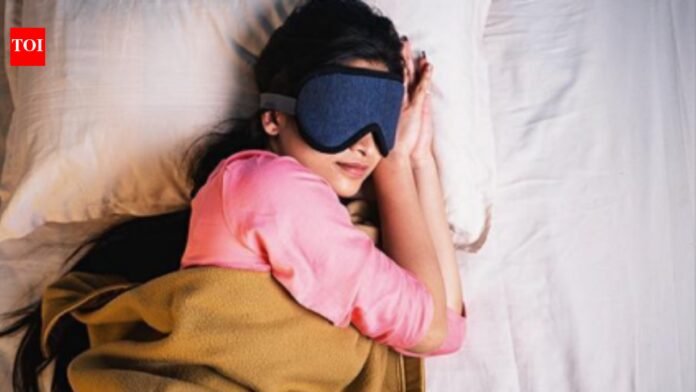
NEW DELHI: Doctors check blood pressure, diabetes and cholesterol regularly. But they rarely ask a question that may be just as important: How well did you sleep? On March 13, World Sleep Day, experts warn that sleep disorders may be affecting millions of Indians and quietly increasing the risk of heart disease, diabetes and depression. New research shows the problem is widespread. A 2025 systematic review published in the Indian Journal of Public Health analyzed 100 studies involving nearly 68,000 people and found that 25.7% of Indians suffer from insomnia, while obstructive sleep apnea (OSA) affects about 37.4% of Indians. Another 10.6% suffer from restless legs syndrome, a disorder that disrupts sleep. For patients with other medical conditions, the burden is even higher. Nearly 48% suffer from sleep apnea and 32% suffer from insomnia, suggesting that sleep disorders may worsen chronic conditions. Experts estimate that about 52 million working-age Indians may suffer from sleep apnea, with nearly 29 million suffering from moderate to severe disease. Insomnia affects nearly 37% of older adults. Prof (Dr) JC Suri, Head and Head, Department of Pulmonary, Critical Care and Sleep Medicine, Sitaram Bhartia Institute of Science, said lifestyle habits are exacerbating the problem. A survey of IT professionals in Hyderabad found that 97% used electronic devices for at least an hour before bed, while 62% reported difficulty falling or staying asleep. Dr Vikram Sarbhai, president of the Sleep Disorders Association of India, said: “Sleep deprivation is probably the world’s biggest silent epidemic since the advent of the electric light and has been worsening for decades, driven by our shift to a 24-hour society.” “Humans follow a circadian clock that regulates sleep and wake cycles, so sleep is critical for restoring brain and body function.” Healthy sleep depends not only on duration but also on quality and regularity, which are increasingly disrupted by modern lifestyles, shift work and the use of technology, he said. Typically, adults in the 18-45 age group need 6-8 hours of sleep, adults in the 45-70 age group need about 5-7 hours, and people 70 and older need about 5 hours. These are estimates for individuals without excessive alcohol or caffeine exposure, toxic exposure, behavioral disorders, or medical conditions that affect sleep. The broader crisis could be even greater. A 2025 report by AGR Knowledge Services estimated that three out of five Indians are sleep-deprived, with many turning to online therapy instead of seeking medical help. Professor (PhD) JC Suri said poor sleep is closely linked to high blood pressure, heart disease, stroke, diabetes, obesity, depression and cognitive decline. Lack of sleep is also becoming a road safety risk. A study by the Central Road Research Institute found that around 40% of accidents on the Agra-Lucknow Expressway were related to driver fatigue. Despite these risks, India has no national policy mandating screening of commercial drivers for sleep disorders, unlike countries such as the United States, United Kingdom and Japan. Experts say poor awareness and the lack of sleep medications in most medical curricula means many patients remain undiagnosed. Addressing sleep disorders may be an important but overlooked opportunity in preventive health care, they say.
Doctors: Sleep disorders put lakhs of Indians at risk

WEB DESK TEAMhttps://articles.thelocalreport.in
Our team of more than 15 experienced writers brings diverse perspectives, deep research, and on-the-ground insights to deliver accurate, timely, and engaging stories. From breaking news to in-depth analysis, they are committed to credibility, clarity, and responsible journalism across every category we cover.
Related articles
Recent articles