

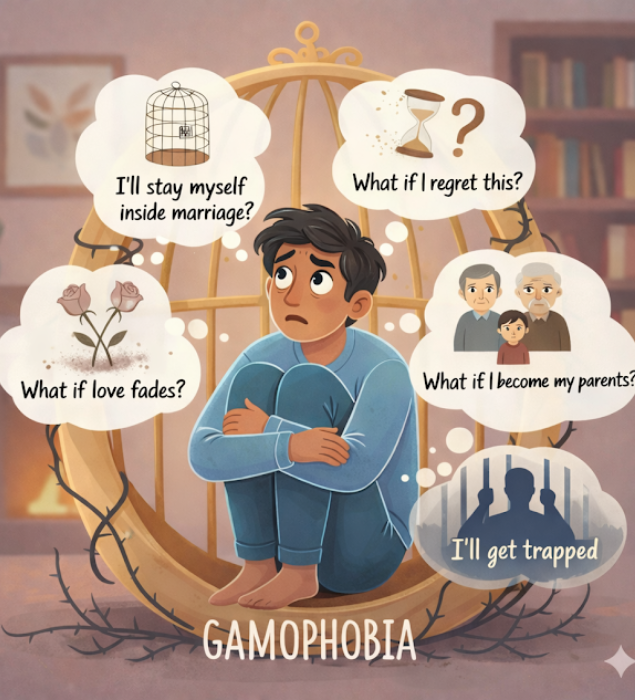
In a world where relationships have become more visible and complex, a strange psychological phenomenon is quietly gaining attention—homophobia, the fear of commitment or marriage.It’s not just the occasional cold feet, pre-proposal nerves, or hesitation about settling down. Homophobia is a deeply ingrained lived experience that can impact every connection, shape life choices, and define what love is like for many people. Increasingly, mental health professionals, writers, and even everyday couples are seeing this concept not just as a quaint term, but as a real form of emotional resistance.Ankur Halder, a 27-year-old IT professional, puts it very well – like Abai Deer Said in zindaji already Milej Dobala“I don’t want a soul in my body.” The word “gamophobia” itself comes from the Greek words gamos (marriage) and phobia (fear). At its core is the fear of getting married or entering into a long-term intimate commitment. In practice, however, the situation is much more nuanced. People who struggle with homophobia are not necessarily afraid of love or companionship. Rather, they worry about the permanence, vulnerability, expectations, and potential loss of autonomy that lifelong attachment may bring.But why has this fear become more pronounced now? Why are more and more people willing to call themselves “commitment-afraid”? Is this simply a symptom of a generation’s spoiled choices, or is it rooted in deeper psychological and social shifts? Importantly, in a place like India, where marriage still has cultural gravity, unlike much of the world, what does that look like?To explore these questions, we must move beyond labels and into the real-life realities where homophobia resonates in the twenty-first century.
The Many Faces of Homophobia
Homophobia is not a clinical diagnosis in major psychiatric manuals such as the DSM-V. This is a loosely defined term used in psychology, culture, and pop psychology circles. However, its presence reflects real emotional and relational patterns that therapists see every day.For some people, when discussions about the future get serious, it manifests as anxiety or panic. For others, it manifests as long-term relationship damage—becoming forceful, distant, or falling into a self-fulfilling breakup before things get too real. Some people experience insomnia, avoidance, or physical symptoms at the thought of tying their lives to others.Importantly, homophobia is not just a fear of marriage. It can be expressed as:
- fear of dependence or vulnerability
- Fear of repeating past relationship trauma
- fear of losing one’s identity
- fear of failure in love
- Fear of social expectations associated with marriage
For a growing number of young Indians, this fear is not abstract. It emerges at a very specific moment – when the romance begins to build.
In this country, relationships rarely remain emotionally unresolved. They are expected to peak. They must be formalized. They must move towards marriage.It is often at this threshold that things change.
When love is easy, but never is
Arav, 32, who works for a multinational company in Mumbai, said he has been in three serious relationships in the past decade. Everyone follows a similar rhythm: intense beginnings, emotional intimacy, shared holidays. For months, sometimes years, everything felt certain.Next is the topic of meeting parents. About the schedule. About “where is this going” and starting to retreat.“I didn’t know what to expect,” he said. “It was like something switched off. I started imagining all the ways it could go wrong. What if I lose my freedom? What if I’m not ready? What if I make the wrong choice and can’t undo it?”This is how homophobia often unfolds. People form romantic connections easily. They are affectionate, attentive, and emotionally involved. But when a relationship approaches a formal commitment—an engagement, marriage, shared finances—anxiety can spike. The future no longer feels romantic and begins to feel irreversible.
Doesn’t mean you can’t love
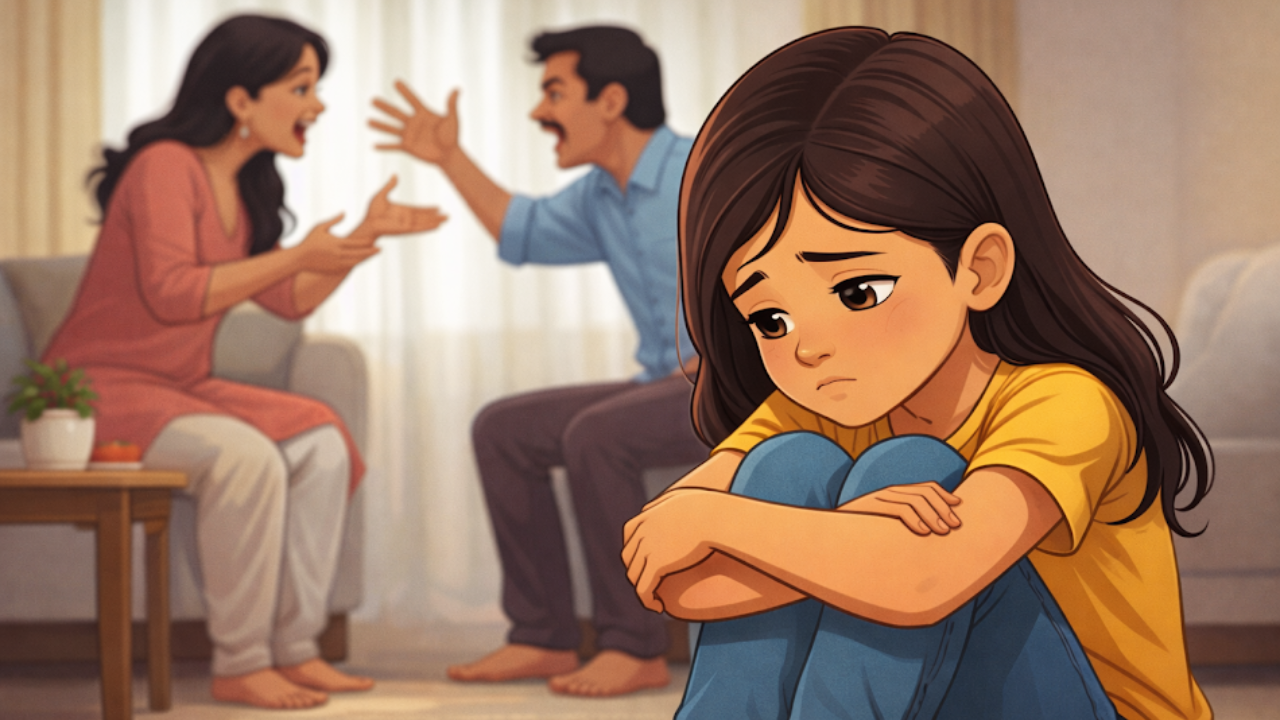
One of the most persistent misconceptions about homophobia is that it signals emotional immaturity or an inability to feel deeply. This assumption couldn’t be further from the truth.People who struggle with commitment anxiety tend to love intensely. They can be attentive partners, emotionally available, and genuinely invested in their relationship. The difficulty is not about feelings. It lies in anticipation.For some, the fear stems from childhood experiences. For others, it stems from witnessing marital dissatisfaction. For many in contemporary India, it stems from the burden of making the “right” decision in a world that offers unlimited choices and irreversible consequences.In this sense, homophobia is not so much a rejection of love as a fear of making an irreversible mistake.A 29-year-old woman (who chose to remain anonymous) grew up watching her parents argue behind closed doors while maintaining a calm public image. Divorce was never discussed. Silence is easier than separation.“When people talk about marriage,” she said, “I don’t imagine romance. I imagine being able to stay even if you’re not happy.”Children absorb more than they realize. When marriage is framed as endurance rather than companionship, commitment may begin to subconsciously resemble confinement.
Why fear of commitment may be growing
A culture of choice and comparison
We live in an age of endless choices, especially romantic ones. Dating apps, social media, global mobility and the carefully curated image of the “perfect relationship” create the illusion of endless possibilities. Commitment to a person can feel ambivalent rather than reassuring when one believes the next swipe may be better.This reflects deeper cognitive patterns of comparison, fear of missing out, and choice overload. Instead of being comforting, narrowing your options can trigger anxiety about losing potential options forever.
Personal identity over collectivism
In recent decades, individualism has become central to people’s sense of self. Career goals, personal growth, and self-discovery are more important than ever. While this is empowering, it also changes the way people think about relationships. Commitment begins to feel like a trade-off—balancing autonomy with attachment. Ankur Halder said: “I believe a healthy relationship should consist of two independent people choosing to be together. Today’s relationships have evolved, unlike older generations like my grandparents, whose partners tended to be overly dependent on each other. I appreciate that relationships now allow for more individuality.”
Witness the breakdown of a relationship
We grow up on stories of failed marriages, divorces and high-profile celebrity breakups. Seeing a relationship fall apart can affect how we think about commitment—making it feel risky rather than romantic.
Trauma and attachment styles
The way we connect emotionally is influenced by early life experiences. People with avoidant attachment often fear losing their independence in close relationships. Those with anxious attachment may worry about abandonment, even in healthy relationships. People whose early friendships ended abruptly may have difficulty remaining completely committed to their partners, fearing the inevitable loss of intimacy that will result.
Changing gender roles and expectations
Traditional roles, such as men as sole breadwinners and women as primary caregivers, have changed, but old expectations won’t disappear overnight. Women don’t want to be tied down by household chores, and years of social conditioning have left many feeling that at some point, they will have to sacrifice their dreams to meet relationship expectations. People around the world often find themselves balancing new possibilities with inherited norms, creating tension in romantic relationships as they decide who does what, how decisions are made, and what each partner “should” contribute.
Homophobia in India: Between Tradition and Modernity
In India, marriage has long been considered an important milestone in life—anticipated, celebrated and carefully planned by families. Urbanization, increased female labor force participation and exposure to global cultures have changed the way young Indians view partnerships. Emotional compatibility and personal growth are more important than ever.Meanwhile, deep-seated expectations remain:
- Marriage is a family responsibility
- Pressure to settle down early
- Fear of “what people will say”
- arranged marriage tradition
- Gender expectations for roles
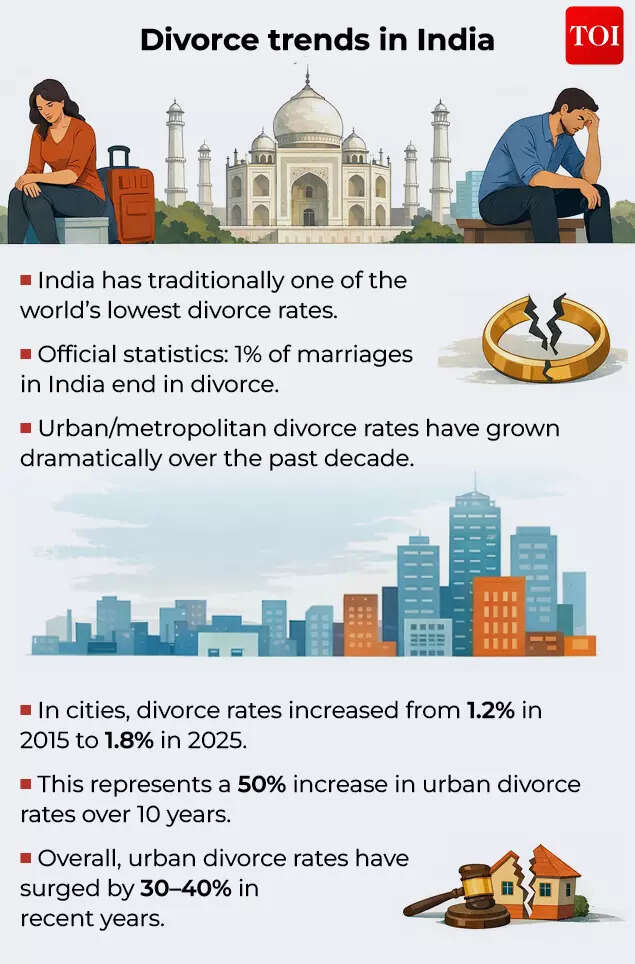
In this environment, homophobia takes on unique contours. For some, it becomes a resistance to pressure, a boundary against social coercion. For others, it reflects real uncertainty about whether traditional marriage structures fit their changing identities.To further complicate matters, leaving a partner in India often creates difficulties socially. Relationships aren’t just between two people—they’re entangled with family expectations, social judgment, and, in many cases, children. In India, many people are reluctant to end relationships even if they feel unsatisfied because they worry about the shame of separation or the impact on their children. This creates a common misconception: staying despite being unhappy is often interpreted as proof of commitment or love, when in fact it may reflect social pressure and obligation.
Generational values also play a role. Many Indian families value endurance and sacrifice in relationships. While these ideals are admirable, they can inadvertently suppress emotional needs. Young people may find themselves torn between respecting tradition and respecting their own preparation.Mental health awareness in India is still evolving. Anxiety about commitment may be viewed as stubbornness or irresponsibility rather than being understood as emotional complexity. Unable to verbalize their fears, many people internalize guilt rather than seek support.
Not all fears are pathological
It’s important to realize that homophobia is not always dysfunctional. Fear can be protective, especially after a painful or unstable relationship. It may indicate a need for clarity, healing, or stronger identity formation.In a society that often equates marriage with success, choosing to pause or question is not necessarily avoidance. This may be insight.Challenging traditional marriage norms, Ankur said: “I have some doubts about marriage. While I know this works well for many people, most marriages I observe seem complicated and fraught with ongoing problems. This makes me question whether the institution itself is necessary, or whether the commitment could exist in some other form. “Homophobia is a mirror. It reflects both personal insecurities and broader cultural changes. It reminds us that commitment is not just a social contract but an emotional decision shaped by history, identity, and context.Just because commitment anxiety is increasingly evident in India and elsewhere does not mean that this generation is incapable of love. This shows that people are thinking more deeply about the requirements of love.Perhaps, in asking these difficult questions, we are not straying from our commitment but are learning to approach it with greater awareness.After all, love does not diminish with reflection.It is reinforced by choice.