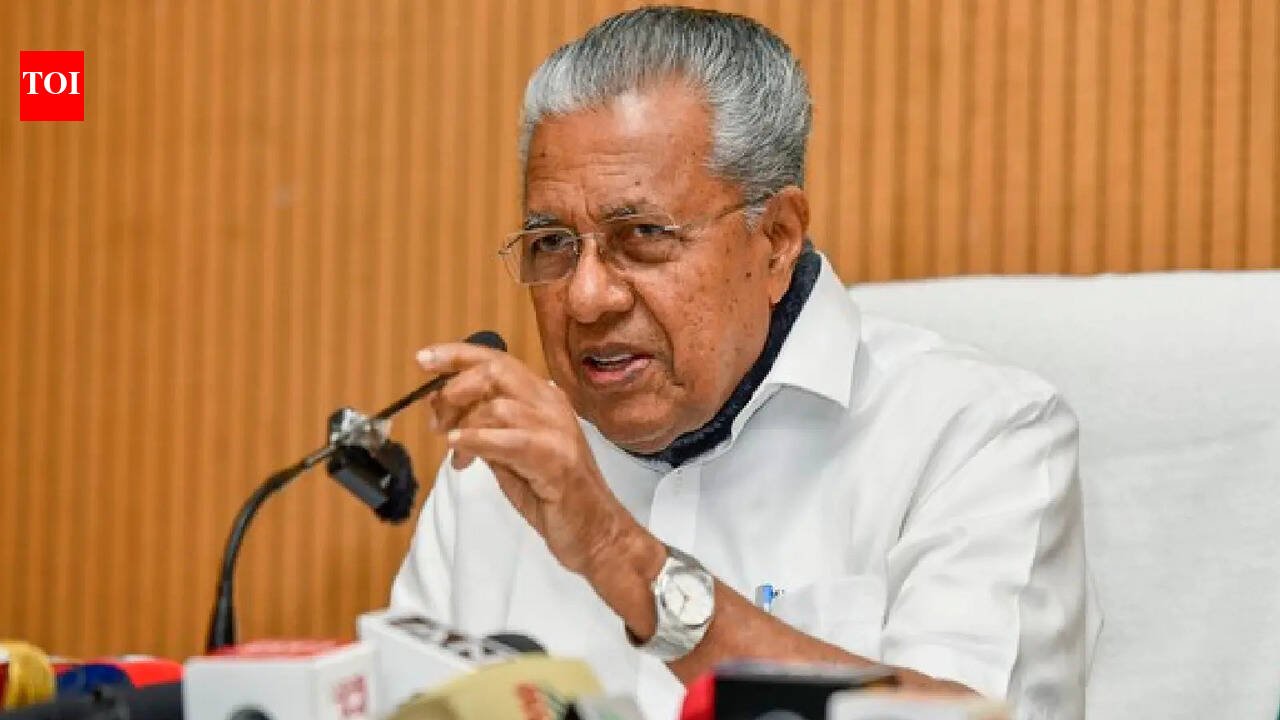

NEW DELHI: As the Left grapples with a severe setback in Kerala, the centralized leadership model known as the “Pinarai brand” and the poll campaign around it are coming under scrutiny, even as the party itself continues to insist that “cult politics” has no place within it and the campaign is not a one-man show.Party general secretary Ma Baobei said the party would conduct a preliminary review of the results in the state capital on Wednesday and Thursday. Assessments of the outcome of Politburo and Central Committee meetings scheduled for later this month will consider factors ranging from organizational gaps to government operations.Refuting the idea that the polls became a referendum on the chief minister of Kerala Pinarayi Vijayan As well as his style of governance, Baby claimed that LDF as a “collective” is facing the polls and Vijayan is at the forefront and is seen as the face of the party as he is a two-term CM and has 10 years of governance under his belt.
.
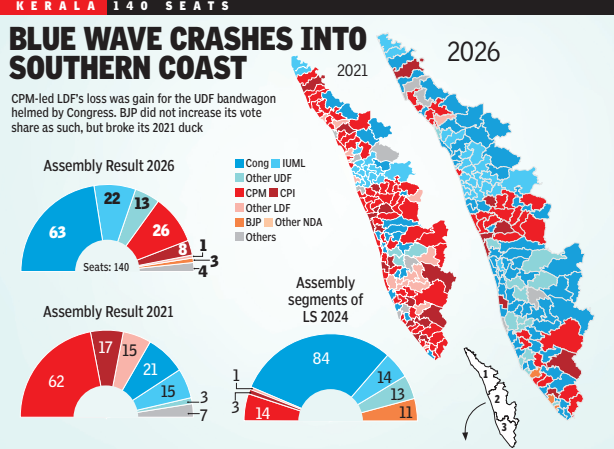
There is criticism within the party that while the party is focused on highlighting its welfare credentials, it may have underestimated the consequences of what the Congress accuses of being a tacit understanding between the CPM and the BJP that helped consolidate minority votes in favor of the United Democratic Front.The biggest concern now is the erosion of the LDF’s influence in the House of Representatives, where its numbers have dwindled to just 35, having won 94 seats in 2021. “In Kerala, we have a vibrant organization at all levels, so a very thorough review will be done based on feedback,” sources said.The perception that Vijayan was allowed a longer rope to steer the campaign goes against the CPM’s tacit “party before people” operating model, which was most starkly demonstrated in 1996 when the central committee decided not to allow then West Bengal Chief Minister Jyoti Basu to lead the United Front government as prime minister.The CPI(M) then took the position that the party believed that participating in a “bourgeois” coalition government at the Center without a majority would prevent them from pursuing left-leaning policies.Basu, a powerful hardliner in the party, voted against the move despite support from many senior officials, including then general secretary Harkishan Singh Surjit. Although Basu silently accepted the party’s decision at the time, he later termed it a “historic mistake” and a missed opportunity for Indian communists to influence national politics.However, party sources who witnessed Basu’s time were quick to emphasize that he was a higher leader than Pinarayi Vijayan and even the former was not allowed to break the line by the central committee. The signs are clear that Vijayan’s governance and his tenure will come under intense scrutiny in the coming review.