Canva’s billionaire founder donates $150 million directly to East African country’s poorest people, largest unconditional cash program ever for low-income countries | World News


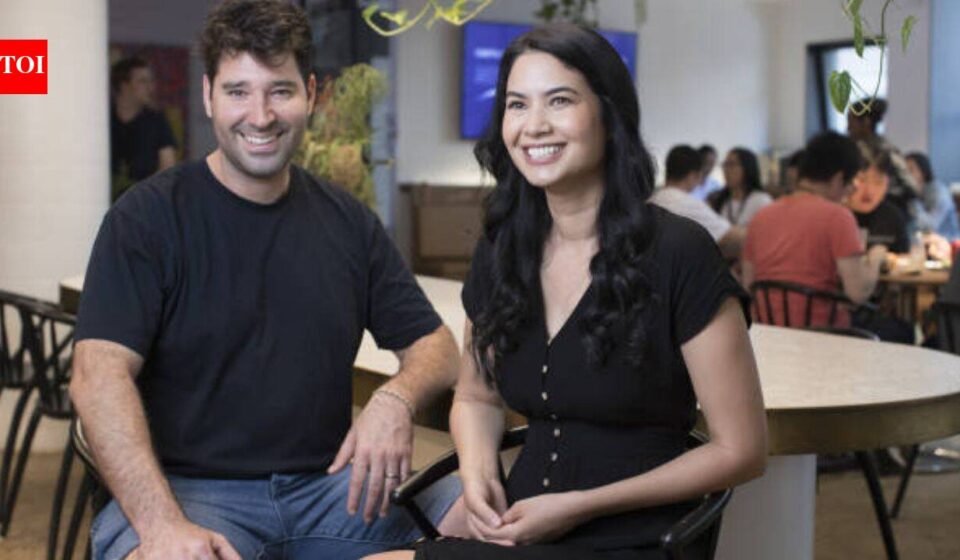
In a move that challenges traditional aid, Canva billionaires and couple Melanie Perkins and Cliff Obrecht are sending cash directly into the hands of the East African nation’s poorest families. The co-founder of the Australian design software maker is investing $150 million in a cash transfer program in Malawi. Since launching the program in 2021 through the Canva Foundation and nonprofit GiveDirectly, the couple has expanded an initial $10 million pilot into the largest unconditional cash transfer program ever attempted in a low-income country.Rather than building infrastructure or distributing food, the program sends cash directly to recipients via mobile phone, with no strings attached. Each adult receives approximately US$550, an amount that may exceed what many Malawians earn in a year.
purpose of doing good
The initiative expanded rapidly. The couple pledged to donate $50 million between 2021 and 2023, but in October 2025, they pledged an additional $100 million, the largest donation in GiveDirectly’s history. In addition, Canva has donated $2.5 billion in product value to students, teachers and more than 1 million nonprofit organizations. Explaining the plan, the founders said Canva has always followed what they call a “simple but ambitious” two-step plan.“The first step is to build one of the most valuable companies in the world. The second step is to do the best we can. More than 30% of Canva’s value (stock) is dedicated to doing good in the world, and this vision shapes everything we do, from the products we create to the type of company we strive to be,” they said in a report by Business Insider Africa.So far, more than $52.5 million has reached recipients, with the remainder scheduled to be distributed over the next four years.
developing malawi
The results of this project are amazing and encouraging. In Malawi’s Khongoni subdivision, where every adult received cash, 90% of beneficiaries were lifted above the extreme poverty line within three months, according to GiveDirectly. The organization also reported a 48% drop in child mortality, a 27% drop in morbidity, and a 23% increase in school enrollment. More than 139,000 people have benefited from the scheme.The researchers also found broader economic benefits. One study shows that every $1,000 transferred generates about $2,400 in local economic activity because recipients spend and reinvest the money in nearby businesses.In the next phase of Malawi’s Chiradzulu district, the program aims to reach 185,000 people by early 2027 in what GiveDirectly says is the world’s largest randomized controlled trial of unconditional cash transfers. The study, conducted in partnership with the Government of Malawi, will examine whether additional support such as technical assistance or community grants can produce better results than cash alone.For Perkins and Obrecht, the project reflects a broader philosophy. The two signed the Giving Pledge in 2021 and pledged to donate the majority of their Canva wealth through the foundation. Their belief is simple: People who experience poverty are often in the best position to decide what they need most.
bigger plan
Perkins and Obrecht, who each own an 18% stake in Canva worth $7.6 billion, have pledged to donate more than 80% of their wealth to charity through the Canva Foundation as part of what Perkins calls a “lifetime giving journey.” Their co-founder Cameron Adams, who Forbes estimates owns a 9% stake in Canva worth $3.8 billion, has also pledged to donate the majority of his wealth to charity through the Giving Pledge, but plans to do so outside of the Canva Foundation.Recently, the couple announced the launch of a new philanthropic initiative called the Global Purpose Platform. The work, funded by the Canva Foundation, will survey global citizens about the changes they most want to see happen in the world; it is the first step in delivering on their pledge to eventually give up their 30% stake in the $42 billion private company.“We are optimistic that there are enough resources and goodwill in the world to achieve all of our goals, but the goals don’t get much of a say,” Canva CEO Perkins told Forbes. “So the idea behind the Goals Platform is… to ask everyone, ‘What is one goal you hope to achieve in your lifetime for the world, for your country and for your local community’… and then help everyone understand that these are goals that our community shares.“