Can H-1B visa holders get a green card after living in the United States for 7 years? New proposals and their impact on Indians explained

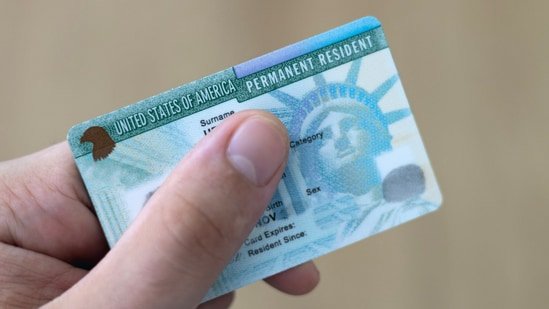
As the Trump administration tightens its grip on immigration enforcement, a senior Democratic senator is backing a bill that could provide a path to permanent residency for more than 8 million long-term residents in the United States, including a sizable number of Indian professionals. H-1B Backlog.
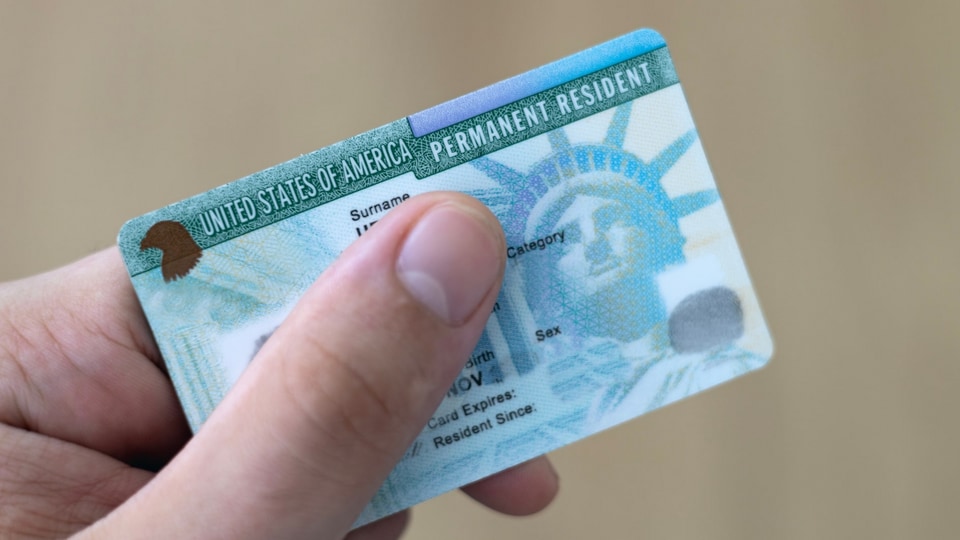
Senator Alex Padilla california The “Updating the Immigration Provisions of the Immigration Act of 1929” bill has been reintroduced, which would allow immigrants who have lived continuously in the United States for at least seven years to seek lawful permanent resident status, provided they have no criminal record and meet all other current green card standards.
Bill proposed to counter ‘Trump’s fear campaign’
The bill seeks to update an immigration provision known as the Registry, which has remained unchanged since 1986.
“One year ago, I introduced this bill to fight back against the Trump administration’s brutal treatment of hard-working immigrants. Since then, President Trump’s fear campaign has only escalated, leaving families living with continued uncertainty even as they build lives in this country,” Padilla said.
“Congress cannot continue to ignore the millions of long-term residents who contribute to our economy and communities every day. Now is the time to modernize our immigration laws and create a fair path to lawful permanent residence,” he added.
Who benefits from this bill? Understand the impact on Indians
The bill covers a wide range of people: Dreamers, Temporary Protected Status holders, essential workers, children of long-term visa holders, and highly skilled professionals, including H-1B Workers often wait years or even decades to receive employment-based green cards.
Indian nationals are significantly overrepresented in the latter category, making up a large portion of H-1B holders and often experience the longest wait times due to each country’s restrictions on employment-based green cards.
The legislation seeks to amend section 249 of the Immigration and Nationality Act. Currently, the Registry enables the Secretary of Homeland Security to grant permanent residency to persons who have resided in the country since a specified date (currently January 1, 1972). This deadline has not been updated since the Reagan administration’s reforms nearly four decades ago, rendering the rule virtually obsolete. Between 2015 and 2019, only 305 people successfully adjusted their status through this mechanism.
Padilla’s bill seeks to replace a fixed date with a rolling seven-year residency requirement. The changes will be implemented 60 days after enactment.
Who supports the bill?
Senate Democratic Whip Dick Durbin co-led the initiative, which has the support of 14 other senators who have signed on as co-sponsors. In the House, Rep. Zoe Lofgren california Corresponding legislation is being guided.
More than 30 organizations focused on labor, immigration and civil rights expressed support for the bill. These include prominent groups such as the AFL-CIO, Service Employees International Union, UNITE HERE, United Farm Workers and the National Immigration Law Center.
What’s next for Bill?
The bill faces a challenging road.
Significant partisan differences over immigration policy make its passage uncertain, and the prevailing political climate in Washington shows little support for moves aimed at expanding permanent residency.
Padilla, the top Democrat on the Senate Judiciary Immigration Subcommittee, introduced concurrent proposals focused on immigrant essential workers and children brought to the U.S. legally as dependents of work visa holders. This sweeping initiative highlights the extent to which the existing immigration system is out of touch with the realities faced by those it governs.