


It’s a feat most Grammy winners never achieve: billions of streams on the world’s largest platform. But for 54-year-old North Carolina resident Michael Smith, “fans” don’t exist. They are lines of code and the music is “AI slop”.Smith has formally pleaded guilty to conspiracy to commit wire fraud, the first conviction in U.S. history for an AI-assisted music streaming fraud. As part of the plea, Smith agreed to forfeit $8.1 million in ill-gotten gains, according to the U.S. Attorney’s Office for the Southern District of New York.
the man behind the music
Before becoming a federal criminal, Smith lived a typical suburban life in a spacious house in Charlotte with his wife and six children. He continues to make money by owning a string of medical clinics, serving as a judge on the reality show “One Shot,” and even writing a self-help book. His next goal in life was to become famous, so he began his adventure. In 2013, he booked a “20-hour” music training session with Jonathan Hay, a publicist who provides PR advice to aspiring musicians. However, beneath the surface of his burgeoning music career lies a vast digital architecture designed to siphon money from the industry’s royalty pool.
Anatomy of an $8 Million Heist
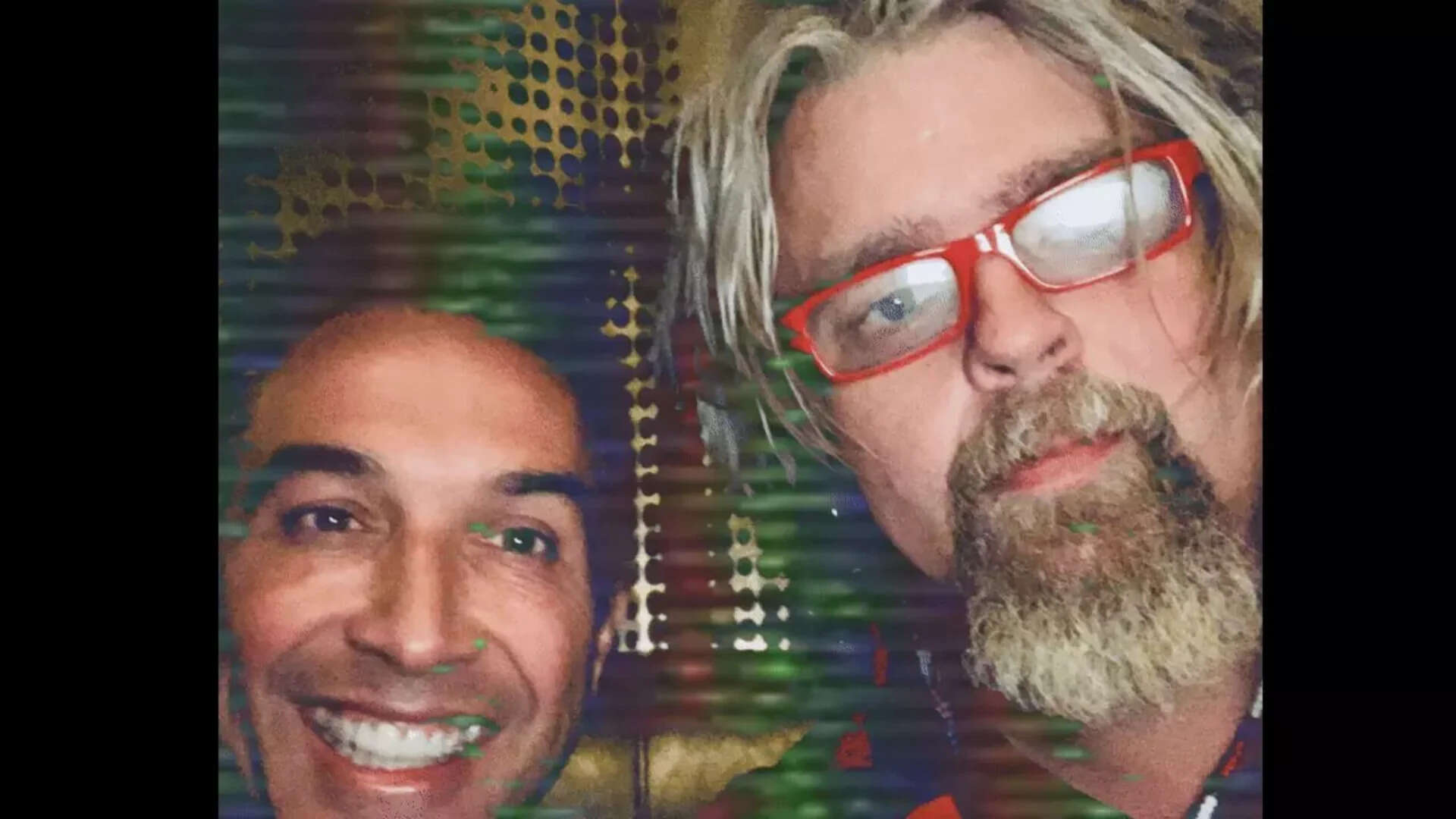
This program is the perfect combination of high-tech automation and “instant music”. According to his friend and music godfather Hay, Smith connected with Alex Mitchell, CEO of Boomy, an AI song generator startup. It allows people to “compose” music by selecting or customizing cues about tunes. Around 2018, an “AI music company CEO” was providing Smith with “thousands of songs a week.” The songs have names like “Zygophyceae” and “Zygopteraceae,” as well as fake artist names like “Calm Force” and “Calorie Event.” But he didn’t wait for listeners to discover his beats or promote them online, he built a private audience.The indictment alleges that on October 20, 2017, Smith emailed himself a financial breakdown showing that he had 52 cloud service accounts, each with 20 bot accounts on the streaming platform, for a total of 1,040 bot accounts. At his peak, Smith generated approximately 661,440 streams per day, and he earned more than $1.2 million in annual royalties.In 2018, Hay and Smith released an album called Jazz, which quickly climbed onto the Billboard charts and immediately reached No. 1. But the next week, it disappeared from the rankings. Hay started receiving notices from publishers labeling their music as streaming fraud and taking it down. This is just the beginning of what this gamble will reveal.At the same time, he is also facing a lawsuit from his medical office staff, who claim that his clinic engaged in Medicaid and Medicare fraud and that he was diverting funds from the clinic to his Hay SMH Records. The case was eventually settled with Smith and his co-defendants in 2020, requiring them to pay $900,000. However, by 2022, Smith was back on track and even produced a song starring Snoop Dogg and Billy Ray Cyrus. He has other projects lined up, including a horror movie with RZA and an animated series in which Cartoon Smith travels to the afterlife. Sadly, by the following year, all the buzz died down. The film caused a stir, and Smith stopped following social media. The Tap eventually shut down in 2023, when Mechanical Licensing Collective, the nonprofit entity that collects and distributes royalties for the streaming service, confronted Smith about his fraud and has now stopped paying. In September 2024, the FBI came to his doorstep and accused him of using an artificial intelligence music generator to create a large number of songs. “Smith’s brazen scheme has come to an end when he was convicted of federal crimes for AI-assisted fraud,” the U.S. said. Attorney Jay Clayton released a statement Thursday. He currently faces up to five years in prison and is expected to be sentenced on July 29.
Did video kill the radio star?
Users play music through Amazon Music, Apple Music, Spotify, YouTube Music and other platforms. Songwriters, singers and others who own the rights are entitled to a small royalty every time a song is played through these platforms. However, due to streaming fraud, these funds are diverted from talented artists to fraudsters. Streaming fraud has grown into a rampant problem in the music industry over the past few years with the use of artificial intelligence and the rise of technology. Fraudsters exploit codes and websites to generate thousands of songs and flood popular streaming services like Spotify and Apple Music. Previously, French music streaming service Deezer reported that 60,000 AI-powered songs were uploaded to its platform every day, further stating that approximately 85% of streams of these tracks were fraudulent. Morgan Hayduk, co-CEO of streaming fraud detection startup Beatdapp, told Wired that he monitors entire networks of actors stealing money from streams. “Conservatively speaking, this is a billion-dollar-a-year problem,” Haiduk said. “The Michael Smith case is just the tip of the iceberg.”A 2021 study by France’s National Center for Music found that approximately 1% to 3% of all streams are fraudulent. According to Bestdapp, this number is around 10%. Smith is not the first person to commit streaming fraud. Whether he is seen as a high-tech thief or a “Robin Hood” gaming the exploitative system, one thing is certain: the era of “superstars without an audience” has ushered in its first legal reckoning.


