
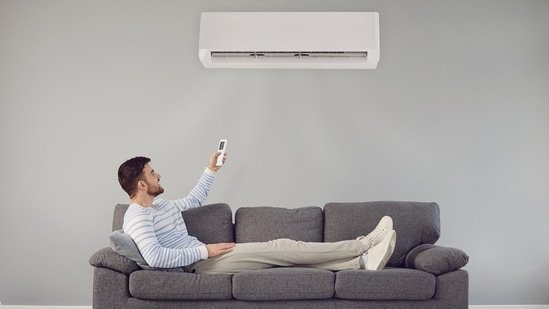
For a long time, I believed that all air conditioners did the same basic job, cooling a room when it got too hot. I’ve never really paid much attention to terms like inverter AC and non-inverter AC because they sound too technical and, honestly, unnecessary. But when my old air conditioner started increasing my electric bill while still not cooling the room evenly, I realized I needed to know the difference before buying a new one.
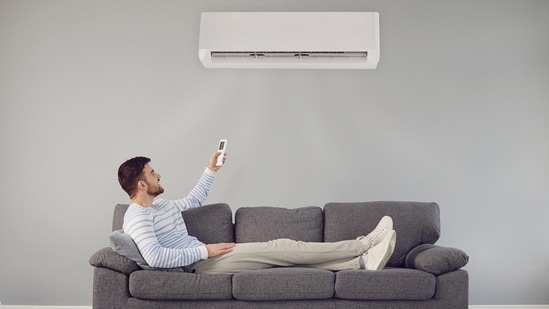

That’s when I started comparing the two and discovered that the choice wasn’t as simple as it seemed. From pricing and energy efficiency to cooling consistency and noise levels, inverter and non-inverter air conditioners are designed very differently. What started as a routine appliance upgrade quickly turned into a learning experience that changed my perspective on buying an air conditioner, especially when long-term savings are as important as home comfort.
Why everyone needs to know the difference
Air conditioning is no longer an occasional luxury appliance. In many homes, they now run six to ten hours a day during the peak summer months. As temperatures rise and urban heat intensifies, air conditioning usage patterns have changed dramatically.
This shift makes efficiency more important than pure upfront price.
According to recent consumer energy comparisons, inverter air conditioners are becoming more and more popular because they use approximately 30-50% less electricity than comparable non-inverter air conditioners under prolonged use conditions.
For buyers, this completely changes the math: A cheaper air conditioner isn’t always cheaper over time.
Core Technology Differences: What I Must Know First
The most important findings from my research are:
Non-variable frequency AC:
Non-inverter air conditioners use fixed speed compressors. It runs at full power until the room reaches the target temperature, then shuts off completely. When the room warms up again, it restarts at full speed.
This means:
- Frequent on/off cycling
- Higher starting power peak
- Temperature fluctuations are more obvious
Top-rated non-inverter air conditioners to buy on Amazon
Inverter AC:
Inverter air conditioners use variable speed compressors. Instead of shutting off repeatedly, it slows down or speeds up based on cooling needs.
This means:
- stable room temperature
- Reduce energy waste
- Over time, compressor strain decreases
Top Inverter Air Conditioners to Buy on Amazon
This single mechanical difference explains nearly every other performance gap between the two.
Electricity consumption: where is the biggest difference?
This is where my research was most illuminating. When a compressor starts from zero repeatedly, it consumes a lot of power each time. Non-inverter air conditioners often do this.
Inverter air conditioners avoid this waste by gradually adjusting the compressor speed. In real-world comparisons, inverter air conditioners consistently consume less electricity during extended daily use, especially in climates where the air conditioner runs for hours on end. In the Indian context, this can translate into significant monthly savings, especially in cities where electricity prices are higher.
For better understanding, here is an example.
If the air conditioner runs 8 hours a day, the initial cost of the non-inverter unit may be lower. But over the course of three to five summers, higher electricity bills can outweigh the upfront savings. That’s when I stopped thinking of inverter air conditioners as “expensive” and started looking at them as long-term investments.
Cooling experience: different levels of comfort
Before this study, I thought cooling was cooling, but that’s not the case.
Non-inverter air conditioning cycle cooling:
Cold → Shut down → Warm → Restart → Cold again
This creates subtle but noticeable temperature fluctuations.
Inverter air conditioners maintain more consistent cooling because they keep running at an adjusted speed instead of shutting off completely.
This is more important than expected:
- sleeping bedroom
- home office
- A space that can be used continuously for a long time
The difference is less noticeable when used for short periods of time, but is very noticeable when cooling down overnight.
Noise level: an overlooked factor
One area I hadn’t considered at all was soundness. Every time the non-inverter compressor starts, you will hear a mechanical surge. Over repeated cycles, this produces more noticeable noise. Inverter compressors run smoother because they avoid sudden restarts.
This makes the inverter air conditioner:
- Quiet at night
- Less disruptive in smaller rooms
- More suitable for users who are sensitive to noise
This may sound trivial on paper, but in practice, quieter operation contributes significantly to perceived comfort.
Upfront price vs. life cycle cost
One of the biggest reasons many buyers continue to choose non-inverter air conditioners is their lower upfront cost. At first glance, the price difference is convincing – non-inverter models are often cheaper to buy, which is attractive to households on a budget. In comparison, inverter air conditioners typically have a higher initial price due to their more advanced compressor technology and energy-saving design.
However, during my research, it became clear to me that the purchase price only tells part of the story. A more meaningful way to compare the two options is through lifetime cost, which is the total amount spent over a few years, including the original purchase price, monthly electricity bills and maintenance costs.
Non-inverter air conditioners may feel economical on day one, but their higher power consumption will gradually increase operating costs, especially in homes where the air conditioner runs for long periods of time each day. In contrast, inverter air conditioners typically begin to recoup their additional upfront costs over time through lower energy bills. In many cases, the price gap can shrink significantly within three to five years, depending on usage patterns.
This is one of the most important takeaways from my comparison: an air conditioner that is cheaper when purchased is not necessarily a cheaper option in the long run.
Inverter vs. Non-Inverter Air Conditioners: Maintenance and Repair
One important difference I’ve found is that inverter air conditioners, while more energy efficient, can be more expensive to repair due to their advanced technology. They rely on complex electronic components, such as variable speed compressors and control boards, which if damaged may require specialized technicians and expensive replacement.
Non-inverter air conditioners use simpler mechanical systems, which makes them easier to repair and often cheaper in many markets. Spare parts are also more widely available, which can reduce repair costs. However, inverter air conditioners may face less compressor wear over time because they avoid constant restarts.
Best of all, inverter air conditioners offer long-term efficiency, while non-inverter models are more appealing to buyers who prefer simpler, lower-cost maintenance and easier repairs.
Inverter air conditioners vs. non-inverter air conditioners: common misunderstandings
- The cooling capacity of the inverter air conditioner is poor: Error. Cooling capacity depends on tonnage and design, not inverter or non-inverter.
- Non-inverter air conditioners are obsolete: they are not. They still make sense for limited or occasional use.
- Inverter air conditioners are only suitable for large residences: Also wrong. Even small room users will benefit if used long enough.
Which AC is right for you: Variable AC or non-variable AC
When to buy variable frequency AC power:
- You use your air conditioner for long periods of time every day
- Saving electricity is important
- You want quieter, more consistent cooling
- You plan to keep your air conditioner for many years
When to buy a non-inverter air conditioner:
- Occasional or seasonal use
- Tight upfront budget
- You want a simpler repair system
- Air conditioning is suitable for guest rooms or low-use spaces
I started this comparison thinking that inverters vs. non-inverters were just a minor technical difference. Little did I know that this is the most important decision that affects the long-term performance of your air conditioner.
If your top priorities are lower long-term energy bills, consistent comfort, and quieter operation, an inverter air conditioner is usually the smarter choice. If you want a lower purchase price and occasional use, non-inverter air conditioners still offer clear value.
Give you similar stories
Disclaimer: At Hindustan Times, we help you stay updated with the latest trends and products. Hindustan Times has affiliate partnerships, so we may get a share of the revenue when you make a purchase. We are not responsible for any claims relating to the products under applicable law (including but not limited to the Consumer Protection Act 2019). The products listed in this article are in no particular order of preference.