
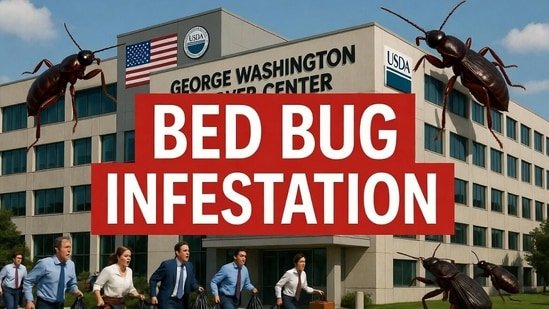
A bed bug infestation has been reported affecting the USDA’s George Washington Carver Center in Beltsville, Maryland. The building houses the Animal and Plant Health Inspection Service (APHIS), the federal agency responsible for controlling invasive pests.

Initial Outbreak and Response
according to a known The bedbugs were first discovered in mid-May, the report said. The USDA sent APHIS employees home for a few days to work remotely while the building was fumigated. Upon return, employees reported falling ill from toxic fumes from the treatment, leading to a second telework session.
relapse
The bedbugs showed up again last week. This time, the USDA is not authorizing further telework. Employees who do not want to report to the office are asked to use personal vacation time.
One employee told NOTUS, “They treated the building and then sent people home again because of the fumes. Then they came back. There are more bed bugs now.”
USDA’s position
In an email to employees Friday, APHIS acting chief operating officer Carson Hawley blamed the resurgence on “inadequate compliance regarding personal items left in offices.” She directed employees to place all personal belongings in trash bags and take them out of the building so they could be properly pest treated.
“We appreciate your support and compliance so APHIS can do its part to ensure Building 3 is bed bug free,” Hawley said.
A USDA spokesperson added that the agency “took swift and forceful action weeks ago,” but “personal items left in offices created further problems. Animal and Plant Health Inspection Service management is working with employees to ensure spaces are cleared so appropriate mitigation measures can be implemented.”
About the Animal and Plant Quarantine Service
The Animal and Plant Health Inspection Service (APHIS) is an important agency within the United States Department of Agriculture (USDA). Its primary mission is to protect U.S. agriculture, natural resources, and the public from invasive pests, diseases, and other threats. It monitors and responds to major outbreaks such as avian influenza and New World screwworm.