
At a crowded shrine, the line of worshipers stretches for blocks. Everyone carries expensive offerings. Some come to pray for the health of their families, but many come with other wishes: a promotion at work, winning the lottery, or the defeat of an enemy. Near the altar, a priest promised that larger donations would bring divine help more quickly. It would be easy to blame the priest and call it exploitation, but this scene reveals a deeper, more disturbing truth about human behavior.This idea can be captured in a famous quote inspired by Ashoka’s reforms: “As long as anyone approaches the gods with a greedy heart, there will be priests who will receive them with a greedy heart.”This line comes from Waits Corning’s historical novel Ashoka the Greatwho imagined Ashoka’s thoughts and speeches in literary form.In essence, this quote reveals the connection between exploiters and exploited in the religious world. It shows that spiritual corruption does not always come from dishonest religious leaders. Rather, it can also be created based on the needs and desires of those who seek its services. When people see God as a heavenly machine that can gain wealth, success, or power through prayer, money, or devotion, they create a space for those who are willing to sell out on such promises.
Challenge the sacrificial king
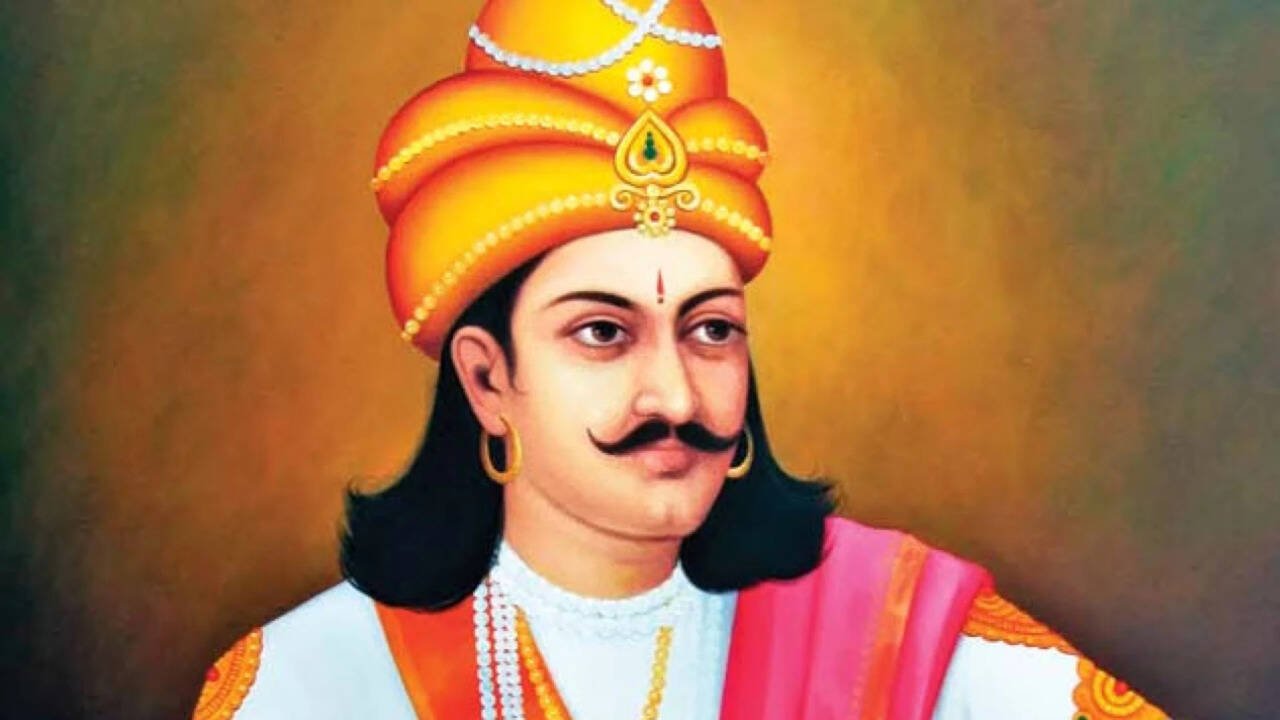
Although this exact wording is a modern and dramatized version of an old idea, its roots can be linked to the reforms of Emperor Asoka the Great in the third century BC. Ashoka ruled the Maurya Empire from around 268 to 232 BC. His life changed profoundly when he saw the devastation caused by the conquest of Kalinga. Shocked by the pain of war, he rejected violent expansion, accepted Buddhism and began to spread Buddhism.…a system of moral and ethical life.Ashoka recorded his thoughts on large stone pillars and rock surfaces across India. In “Rock and Roll Nine,” he criticized many of the religious rituals of the time. He explained that people, especially women, often perform rituals before illness, marriage, childbirth or important travel because they believe these actions will bring good luck.“People perform various auspicious rituals…but such rituals have little effect. However, the rituals of Dharma bear great fruits.” — From Main Rock Edict IXAshoka did not only criticize superstition. He also challenged the system that allows some pastors to profit from people’s fears and hopes. In ancient India, the Vedic ritual system relied heavily on complex sacrifices known as yajnas. These rituals are conducted by priests who receive payments called “dakshina” from people seeking blessings, protection or success.Ashoka believed that these rituals had little value and instead preached Dhamma-mangala, trying to replace external rituals with inner morality. He expected kindness to servants, respect for parents, generosity to the poor, and moral conduct. In this way, he sought to weaken the power of the greedy priests by changing the desires of those who depended on them.
The Psychology of Transactional Beliefs
To understand why this idea remains powerful, we can look at the ancient Latin phrase do ut des, which means “I give so that you may give.” This idea shaped many ancient religious systems. Rituals often functioned like agreements: if a person performed the right sacrifice, the gods should provide the requested reward.This approach turns faith into transactions. Religion is less about transformation and more about exchange. People give something and expect to receive something in return.The German philosopher Friedrich Nietzsche later criticized similar patterns in religious institutions. He believes that some religious systems can become tools for control by exploiting human fears, guilt and desires.When people are in despair, the slow process of self-improvement and effort can feel painful and uncertain. Shortcuts become more attractive. The “greed” mentioned in the introduction is not just about money. This is also about wanting something in return for nothing. It is a desire for success rather than struggle, a desire for health rather than self-discipline, and a desire for forgiveness rather than taking responsibility.Dishonest pastors or spiritual sellers simply respond to this request. They find opportunity in people’s hopes and fears. If no one is looking for simple answers, there will be no market for those peddling spiritual promises.
Modern Prosperity and the Digital Altar
This age-old warning still applies today. The traditional religious trade has changed form and found a profitable niche in the modern prosperity gospel movement. Some televangelists and megachurch leaders tell followers that donating money, often called planting “seeds of faith,” can unlock financial blessings from God.In the United States, organizations such as the Trinity Foundation have investigated cases of religious figures using these promises to support lavish lifestyles, including private jets and expensive homes. Many followers who donate are financially disadvantaged people who hope a miracle will change their lives. The system works because they desperately crave quick relief and supernatural rewards.This pattern occurs outside traditional religions as well. Similar ideas are often used in the modern wellness and self-help industries. Online, many spiritual influencers and performance coaches sell programs that promise people can attract wealth by changing their energy or mindset. They offer secret methods for a fee that they claim can transform thoughts and cosmic powers into financial success.The old altar has entered the digital world. The person is now closer to the screen than to the temple, but the basic communication remains the same. Seekers want a quick path to success, while sellers offer commitment and payment options.Breaking this cycle requires a change in our understanding of spiritual and personal growth. True transformation is rarely a transaction. Meaningful progress comes from moral choices, discipline, patience, and honest self-reflection. These things cannot be purchased, traded, or realized through the promises of others.Understanding that mental shortcuts are hallucinations is the first step to gaining personal control. When people stop looking for easy bargains with the universe, those who profit from false promises lose power.