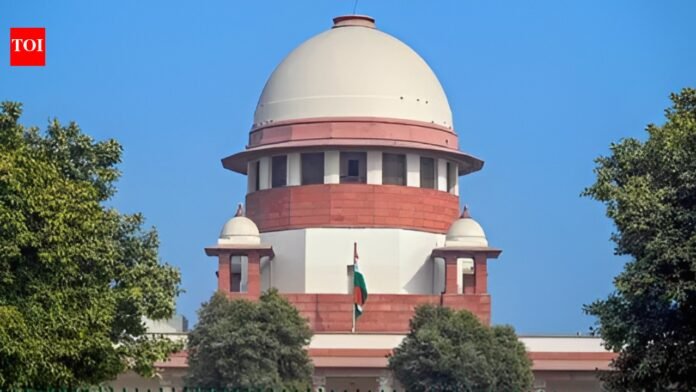
New Delhi: The Supreme Court on Thursday expressed serious concern over the growing culture of “freebies” across states and warned that indiscriminate distribution of such benefits could hamper economic development and put pressure on state finances. The Supreme Court also warned the states and asked whether this culture of not distinguishing between rich and poor amounted to “appeasement”.After hearing the company’s plea that the Tamil Nadu Electricity Distribution Company Ltd plans to provide free power to all consumers irrespective of their financial status, the court said the welfare measure was reasonable for the poor but extending it to all could undermine development efforts.Why SC Tags FreebiesA bench headed by Chief Justice India Surya Kant and Justices Joymalya Bagchi and Vipul M Pancholi noted that many states are already facing revenue deficits but are still announcing massive free schemes.“Most of the states in the country are revenue deficit states but they offer such freebies” ignoring development, the bench said.The judges stressed that excessive freebie spending could slow the economy and reduce the money available for infrastructure, jobs and long-term growth.“The country’s economic development will be hampered by such generous distributions. Yes, it is the state’s responsibility to provide, but those who enjoy the freebies…isn’t that something that should be considered?” chief justice of india Surya Kant observed verbally.The CJI also questioned whether states are spending their revenue wisely.“States are running into deficits but still giving freebies. Look, 25% of the revenue you receive in a year, why can’t it be used for the development of the country?”Worry about the impact on work culture and financesThe judges warned that indiscriminate distribution of benefits could impact productivity and reduce incentives to work.“What kind of culture are we developing in India? It is understandable that you want to provide it as part of the welfare measures to those who cannot afford to pay their electricity bills,” the bench asked.“But you start distributing without distinguishing between those who can afford it and those who cannot. Doesn’t this amount to a policy of appeasement?” asked the CJI.The court also questioned the timing of the Tamil Nadu Power Corporation’s proposal.“States should work towards creating avenues of employment. If you start giving free food from morning to night, then free bikes, then free electricity, then who will work and then what will happen to the work culture,” the CJI said.Justice Badji added that states must properly justify such spending in their budgets.“We’re not talking about one state, we’re talking about all states. This is planned spending. Why don’t you come up with a budget proposal and say this is my spending on people losing their jobs?”Court issues notice but clarifies broader concernsDespite the pointed observation, the Supreme Court issued notice to the Center and other parties on a petition filed by the DMK government-run power utility challenging the power rules.The court clarified that its concerns were not limited to Tamil Nadu but applied to all states offering similar schemes without proper financial planning.Freebies: The new currency of political power?A report from Aequitas Investments notes that freebies have increasingly become a major electoral strategy.“As political parties compete in what appears to be a race to the bottom, welfare programs and ‘freebies’ have evolved from mere campaign promises to the new currency of political power,” the report said.