
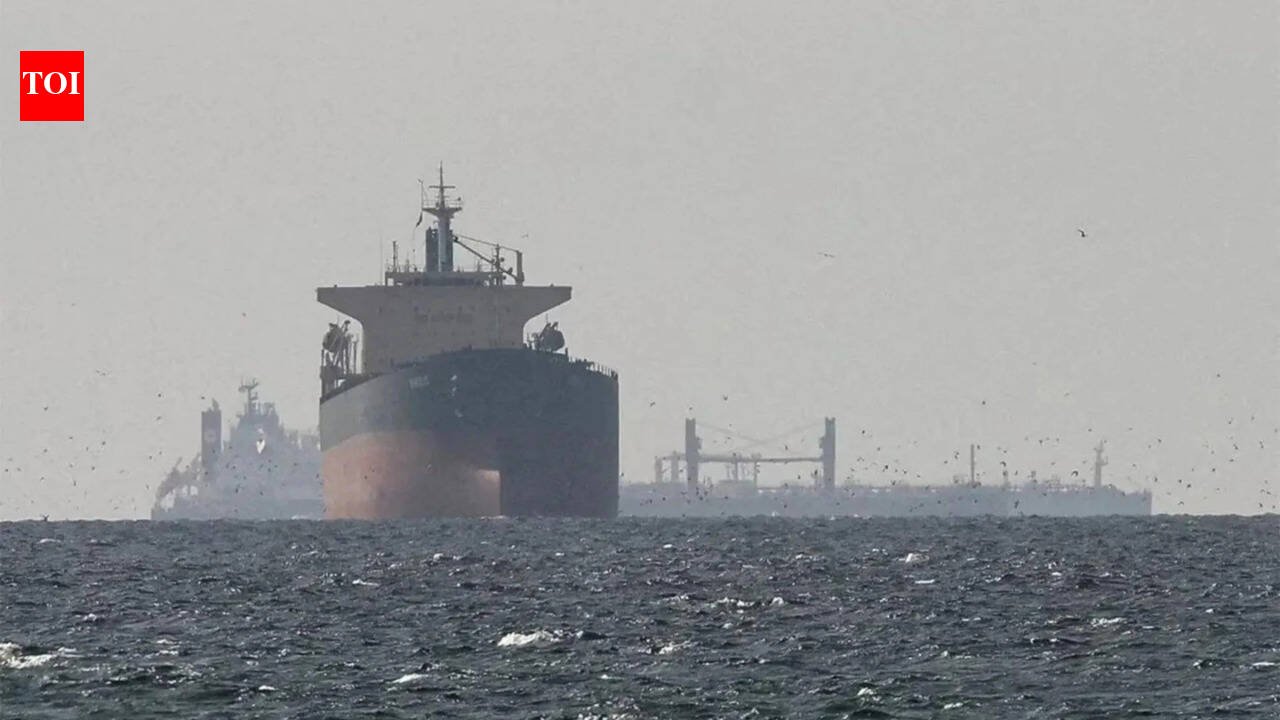
As tensions in the Middle East continue to escalate, people’s attention has gradually shifted from the Strait of Hormuz to another highly strategic maritime chokepoint, the Bab el-Mandeb Strait.Iran, through its allies in Yemen, is considering the narrow sea lane as a possible pressure point against its rivals, state media outlet Tasnim reported. That has raised concerns that the conflict could spread to global shipping lanes and disrupt oil and cargo shipments on one of the world’s busiest trade routes.The ancient city of Mandeb is back in the spotlight amid a broader escalation of regional conflicts involving Iran, Israel and the United States. Tehran’s partner in Yemen, the Houthi movement, could target or disrupt maritime traffic through the strait if hostilities continue to intensify, Gulf News reported.The development comes as Iran suspended indirect talks with the United States, citing ongoing Israeli military operations in the region. The widening scope of the conflict has heightened concerns that the crisis could spread beyond traditional fronts and onto key global trade routes.
Why Manderman Gate is strategically important
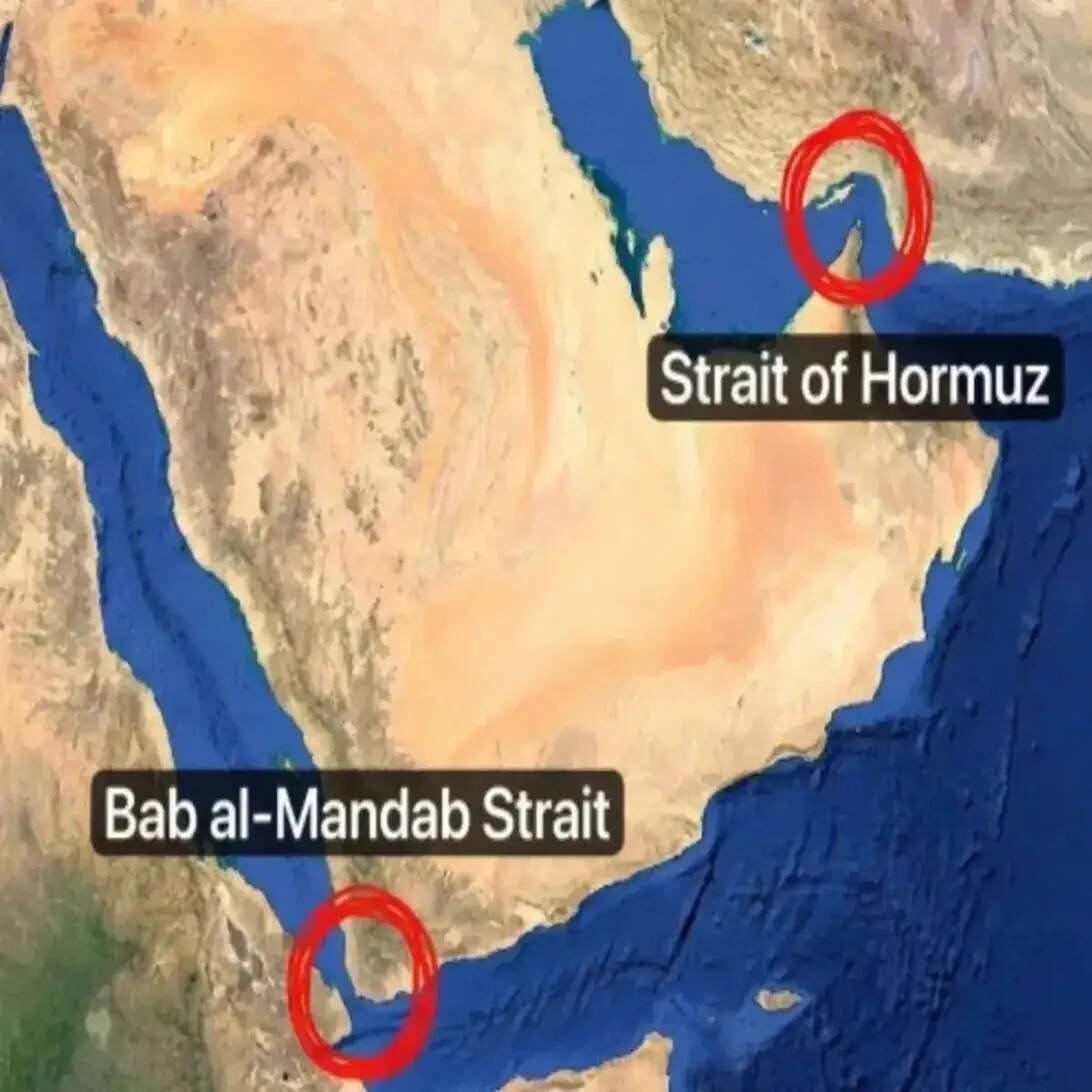
The Bab el-Mandeb Strait is one of the most important maritime chokepoints in the world. Located between Yemen and the Horn of Africa, it connects the Red Sea to the Gulf of Aden and has direct access to the Suez Canal, an important artery for global trade between Asia, Europe and the Middle East.
A large portion of global energy transport, including oil and liquefied natural gas, passes through this narrow waterway. It is estimated that approximately 4 to 7 million barrels of petroleum products transit through the port every day, and a large part of global maritime trade relies on its uninterrupted flow. Any disruption here would force shipping routes around Africa, significantly increasing costs, delivery times and insurance premiums.
Iran’s strategic calculation
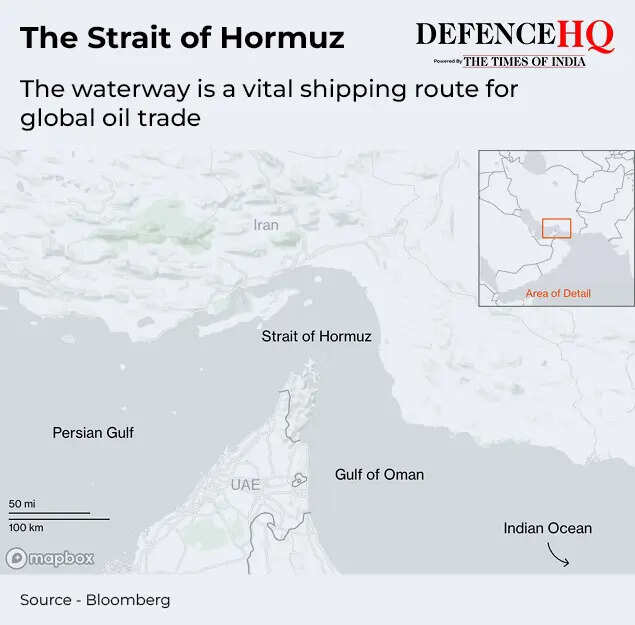
Although Iran does not border the Bab el-Mandeb Strait, it maintains close ties with the Houthi movement in Yemen. This relationship allows Tehran to exert influence over key maritime corridors without direct military involvement.Analysts believe that Iran’s approach increasingly relies on exerting indirect pressure through its allies to create strategic uncertainty in global shipping lanes. In this context, Mandeb Gate is seen as part of a wider network of leverage points along the Strait of Hormuz that could be used during heightened confrontations with Israel and the United States.The Strait of Hormuz remains the world’s most important oil transit route, carrying about a fifth of global oil supplies. However, rising tensions in recent years have shown that the corridor can quickly become vulnerable during conflicts.In this context, Manderman Gate is becoming a secondary but equally important pressure point. If both routes face disruption at the same time, the impact on global energy markets and trade flows will be severe, with far-reaching economic consequences.
Houthis role and previous attacks
The Iran-aligned Houthi movement has demonstrated its ability to disrupt maritime security in the Red Sea. During the conflict in Gaza, the group launched repeated attacks on merchant ships it had links to Israel and its allies, forcing shipping companies to change routes and avoid high-risk areas.While the Bab el-Mandeb Strait itself has not yet been completely sealed, the threatening environment in the surrounding waters has changed global shipping behavior. Many ships are forced to take longer routes around the southern tip of Africa, significantly increasing operating costs.
Wider regional upgrades
Maritime risks are emerging as conflicts intensify in multiple regions. Fighting between Israel and Lebanese Hezbollah has expanded, with both sides increasing military operations even as they struggle to contain the violence.Iran has warned that continued Israeli military action could trigger a wider regional response, linking developments in Lebanon and Gaza to wider strategic consequences. This has raised concerns that maritime corridors such as the Bab el-Mandeb Strait could become part of a wider escalation strategy.Any disruption to the Bab el-Mandeb Strait would have immediate global consequences. Energy prices could rise sharply as markets react to reduced security of supply, while transportation and insurance costs could increase due to rising risk premiums.
Global supply chains, already under strain from previous Red Sea disruptions, may face new delays and inefficiencies. Even temporary instability in this corridor would have knock-on effects on inflation and trade flows across multiple regions.Saudi Arabia and other Gulf states rely heavily on the Red Sea passage to export energy products. Reports show that local governments are closely monitoring developments, fearing that any expansion of the conflict could expose more vulnerabilities in their export routes.Meanwhile, diplomatic efforts continue behind the scenes to prevent an escalation, especially given that global energy stability remains closely tied to uninterrupted maritime trade in the Straits of Hormuz and Bab el-Mandab.While there are currently no firm plans to close or block the Bab el-Mandeb Strait, its strategic importance underscores the expanding geographic scope of the conflict in the Middle East.