
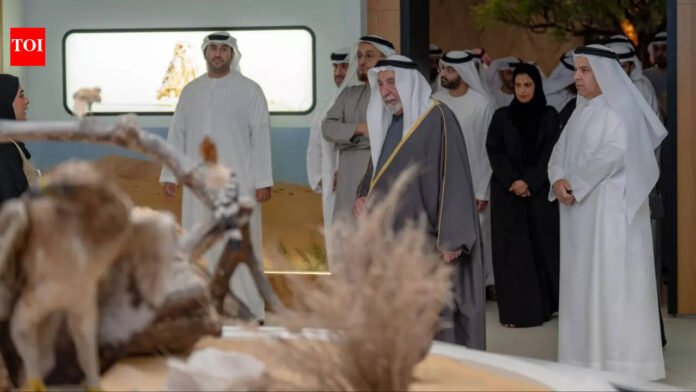
In a significant cultural and educational milestone for the central UAE region, His Highness Dr. Sheikh Sultan bin Mohammed Al Qasimi, Supreme Council Member and Ruler of Sharjah, inaugurated the Zayed Wildlife Museum in Al Zayed City, reinforcing the emirate’s long-term vision for environmental stewardship and public engagement with nature.The museum officially opens near the historic Souq Sharia’t Al Dhaid, adding to Sharjah’s growing network of educational and conservation destinations. Its launch follows Al Dhaid’s wider transformation into a multi-faceted area where heritage, nature and community life meet.
Al Dhaid Wildlife Museum: Sharjah Interactive Environmental Learning Center
The Wildlife Museum has been intentionally designed as an interactive and educational platform, inviting families, students, researchers and nature lovers to explore the rich biodiversity and ecological dynamics of the Arabian Desert landscape.Exhibits span multiple specialist galleries and cover a wide range of natural themes, from the adaptations of desert animals and plant life to geological formations and seasonal cycles. A notable feature includes three-dimensional models of desert animal anatomy, designed to deepen visitors’ understanding of how species thrive in harsh environments.By deploying advanced digital technologies and interactive learning tools, the museum aims to make environmental science more accessible and engaging. This is in line with an emerging trend in the Bay Area to combine technology with natural history to engage young audiences and increase public science literacy.
Al Dhaid Wildlife Museum is now open to visitors, offering an engaging educational experience that highlights the rich biodiversity of Sharjah’s natural environment.
We welcome you to explore wildlife up close. pic.twitter.com/anNV8Z1P6E— Sharjah Environment Agency (@EPAA_SHJ) February 7, 2026
In his inaugural speech, the Ruler emphasized the importance of ongoing scientific work to protect local ecosystems and wildlife, reaffirming Sharjah’s ongoing commitment to conservation efforts. These efforts extend beyond the museum. For example, long-term projects such as the Seed Collection and Storage Programme, which includes millions of seed banks, reflect a broader strategy to protect plant diversity and support scientific research.By housing educational laboratories and dedicated research spaces within the museum, the institution is positioned not only as a destination for visitors, but also as a learning center for academics and environmental professionals. It supports initiatives that promote ecological understanding and sustainable development, values that are increasingly central to the UAE’s national agenda.
Halls and features of Alzeid Wildlife Museum
Covering an area of 2,755 square meters, the carefully designed museum features a series of specialist halls that explore the unique environment of the Arabian Desert, the way life adapts to its challenging conditions, and the rich biodiversity of plant and animal species that thrive in the desert.
- Desert Hall: The hall introduces visitors to the environmental characteristics of the Arabian Desert and ingenious methods of surviving in the harsh climate. Exhibits include traditional Bedouin tents symbolizing desert heritage, as well as displays explaining how ancient communities determined the seasons by navigating through the stars. Visitors can also explore different types of dunes, learn about the dynamics of sand movement, and learn about the minerals and rock formations found in the area.
- Factory hall: The hall is dedicated to desert plants, presenting scientific and interactive content on seasonal and perennial plant species, including several endangered plants. Exhibits explain the structure of plant cells, the process of photosynthesis and techniques used to estimate the age of trees growing in arid environments.
- Insectarium: The Insectarium displays a collection of rare butterflies donated by the Ruler of Sharjah, as well as carefully preserved insect specimens. The interactive display, supported by a dedicated app, provides scientific insights into insect taxonomy, geographical distribution and toxicity levels. The lobby also offers a virtual reality experience that allows visitors to explore the life cycle of a camel spider.
- Desert Zoo: The hall highlights the diversity of desert-dwelling reptiles, mammals and other species adapted to extreme conditions. A standout feature is a three-dimensional anatomical model of a camel, providing insight into how the animal’s structure supports survival in a desert environment.
- Bird House: The Bird Hall focuses on resident and migratory birds, and displays desert birds such as falcons and eagles. Interactive screens provide information on behavioral differences, hunting techniques and dietary patterns, as well as displays of nests and guidance on how to identify them.
- Library: These spaces offer comprehensive educational content covering publications and e-books from the Nature Reserve, Environment and Protected Areas Authority, as well as an interactive digital book highlighting Alzeid’s historical role as an agricultural oasis of environmental significance.
- Children’s Pavilion: The Children’s Room is designed to excite young visitors, with hands-on activities such as coloring and painting. The aim is to foster a love for nature, encourage scientific curiosity and develop environmental awareness from an early age.
The museum’s main entrance reflects the traditional Emirati architectural style of the central region, with its arched gates reminiscent of historic forts and heritage buildings. The design is a symbolic passage to a space dedicated to culture, knowledge and environmental awareness.
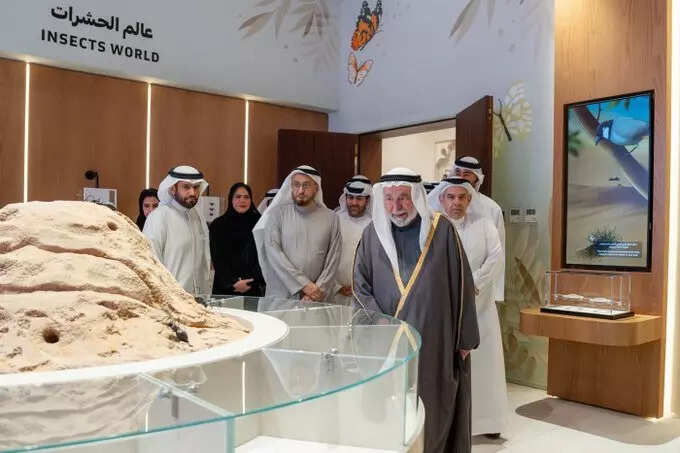
The Insectarium of the Al Zeid Wildlife Museum in Sharjah houses rare butterflies donated to the museum by the Ruler of Sharjah, as well as well-preserved insect models.
The earth-toned exterior blends perfectly with the surrounding desert landscape, while the hand-carved wooden doors are decorated with Islamic-inspired patterns, adding a sense of craftsmanship and authenticity. Together, these elements present a contemporary architectural expression rooted in Emirati identity and local memory.To support its scientific and educational mission, the museum is equipped with comprehensive facilities. These include administrative offices, dedicated space for scientific researchers, fully equipped laboratories and technical support departments. Other facilities include the Office of Environmental Education, Programs and Events Department, Guidance Unit, and visitor services such as parking and support facilities.
Alzeid Wildlife Museum as a pillar of regional tourism and cultural identity
The opening of the Wildlife Museum is part of a larger effort to reposition Alzeid as a destination that celebrates its natural environment and historical roots. In addition to museums, restoration projects and new attractions are enhancing the region’s cultural cycle, integrating heritage tourism with environmental exploration. This initiative coincides with the restoration of historic buildings and markets, which together provide a layered visitor experience, from traditional architecture and bazaar culture to immersive encounters with nature. These developments support the UAE’s broader sustainability narrative, with environmental protection, cultural preservation and community engagement increasingly integrated into urban and regional planning.
Looking to the future: education and sustainability through the Alzeid Wildlife Museum
The Alzeid Wildlife Museum highlights how cultural institutions continue to evolve to fulfill their multiple roles as centers of public education, platforms for scientific collaboration and pillars of tourism development. Promoting ecological awareness through interactive experiences and scientific engagement, the museum not only reflects Sharjah’s heritage but also helps shape the next generation of environmentally conscious citizens.As the museum opens, it demonstrates how investment in environmental education can deepen the public’s appreciation of nature while advancing wider cultural and development goals across the UAE.