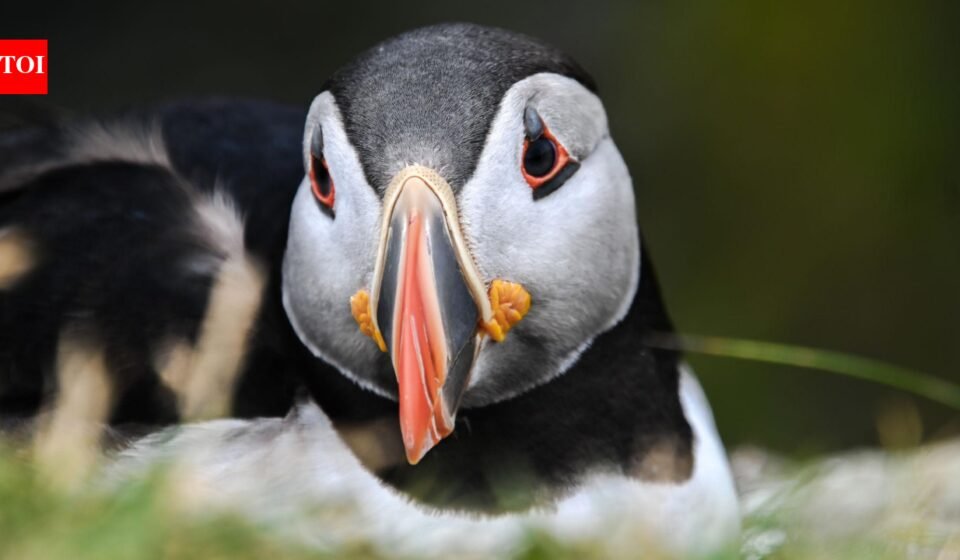
After 15 weeks of careful monitoring, the first puffin chick in 30 years has just been born off England’s south coast, bringing new hope to the country’s last continental colony |

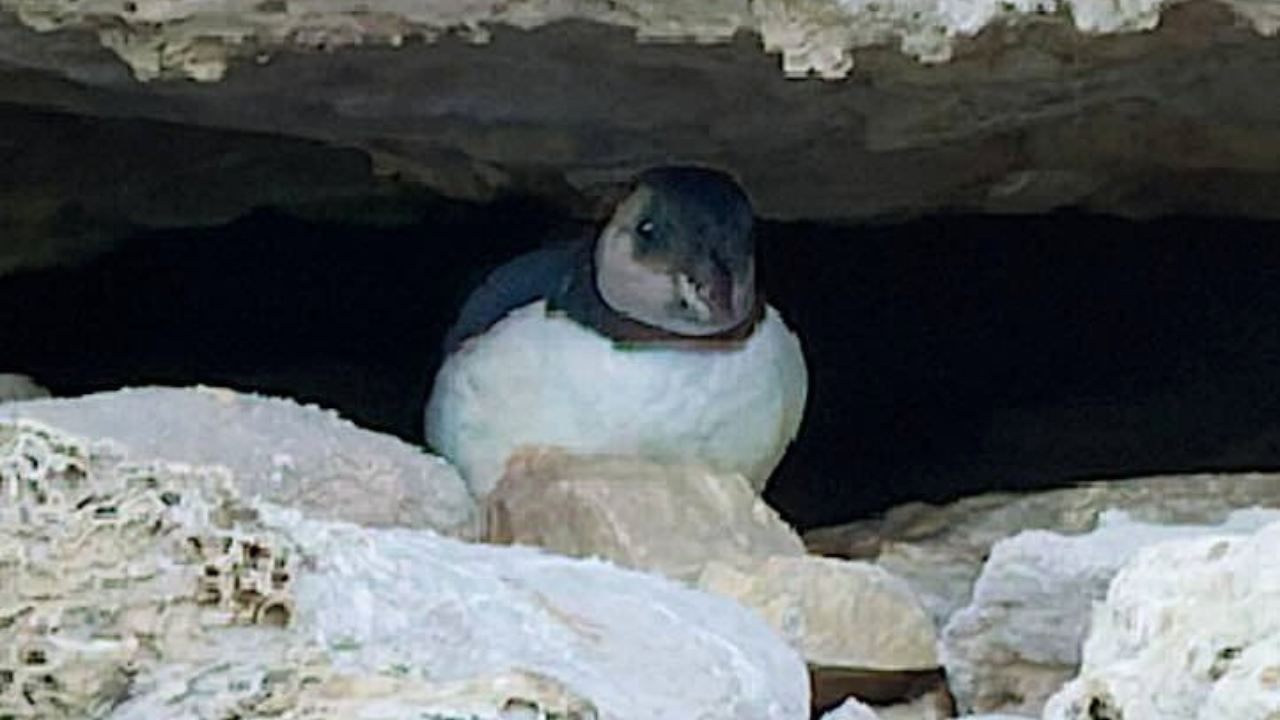
A tiny puffin has achieved something conservationists on England’s south coast haven’t seen in three decades. After 15 weeks of careful monitoring by National Trust volunteer and seabird expert Dr Richard Kaldor, the chick was filmed emerging from a rocky crevice at Dancing Ledge on Purbeck Island, Dorset. The sighting marks the first time in around 30 years that auk chicks have been spotted on England’s last remaining mainland south coast colony. Today, the population’s number of breeding pairs has dwindled from more than 40 in the 1950s to just three, and the fledgling success has been hailed as a rare conservation milestone and a welcome sign that the fragile population still has a chance to recover.
Why this puffin chick is such a conservation success
The newly discovered puffins represent more than just a cute wildlife moment. This is the first confirmed breeding success in the Dorset habitat for around 30 years, ending decades of uncertainty over whether the birds can still breed successfully on England’s south coast.The Atlantic puffin is one of the UK’s most popular seabirds, but breeding populations have declined in some areas of its range due to changing ocean conditions, food shortages and other environmental pressures. Only three breeding pairs remain at Dancing Ledges, and each successful fledgling is considered vital to the colony’s future.
How conservationists confirm chick survival
National Trust volunteers worked with seabird expert Dr Richard Caldow to monitor the breeding season for 15 weeks. The team did not approach the nests, instead relying on trail cameras and distant observations to avoid disturbing the birds.The most obvious sign that the young are growing inside the burrows is when adult puffins are repeatedly seen carrying small fish back into their nesting crevices. The surveillance eventually paid off, as cameras captured the puffin emerging from a cliffside burrow and then successfully growing its feathers.
Where is the dancing ledge?
The Dancing Ledge is a striking limestone platform on the Isle of Purbeck, Dorset, part of the Jurassic Coast, a UNESCO World Heritage Site. The rugged cliffs have long provided nesting habitat for seabirds including puffins.Although the UK is home to hundreds of thousands of puffins in large island colonies in Scotland, Wales and northern England, Purbeck birds are unique in that they represent the last remaining mainland colony on England’s south coast.
Reduced from more than 40 pairs to only 3 pairs
The decline of the colony was dramatic. Historical records show that in the 1950s, more than 40 breeding pairs nested around Dancing Ledge. Today, only three pairs remain.Scientists believe the decline is linked to a variety of factors, including changes in seawater temperatures, declining numbers of small fish such as sand eels, and the challenges faced by extremely small and isolated populations. With so few birds left, even a successful breeding season is considered a major achievement.
Why researchers stay away from the nest
Puffins are very sensitive during the breeding season and may abandon their nests if disturbed. To minimize risks, conservationists keep nesting sites secret and use remote cameras rather than direct inspections.This careful approach allows researchers to observe natural behavior without disturbing adults as they feed and protect their chicks. The successful chicks are seen as evidence that low-impact monitoring can play an important role in protecting vulnerable seabird populations.
Are puffins threatened?
Yes. The Atlantic puffin (Fratecula arctica) is listed as Vulnerable on the International Union for Conservation of Nature (IUCN) Red List because populations have declined throughout much of their range.The UK remains one of the species’ global strongholds, with significant habitats on islands such as the Farne Islands, Skomer Island, Bempton Cliffs, May, Orkney and Shetland. However, the continental habitat is extremely rare, making the survival of Dorset birds particularly important.
What does this mean for the future of the colony?
Conservationists stress that one chick doesn’t mean the colony has recovered, but it does provide real reason for optimism. Successful breeding proves that remaining puffins are still capable of raising young under the right conditions.The National Trust and its partners plan to continue monitoring these birds during future breeding seasons while protecting their nesting habitat from disturbance. If more chicks succeed in fledging in the coming years, England’s last continental puffin colony could gradually begin to rebuild after decades of decline.