About 2 billion years ago, Oklo became a natural nuclear reactor underground in Africa, and its radioactive remains are still there today | World News

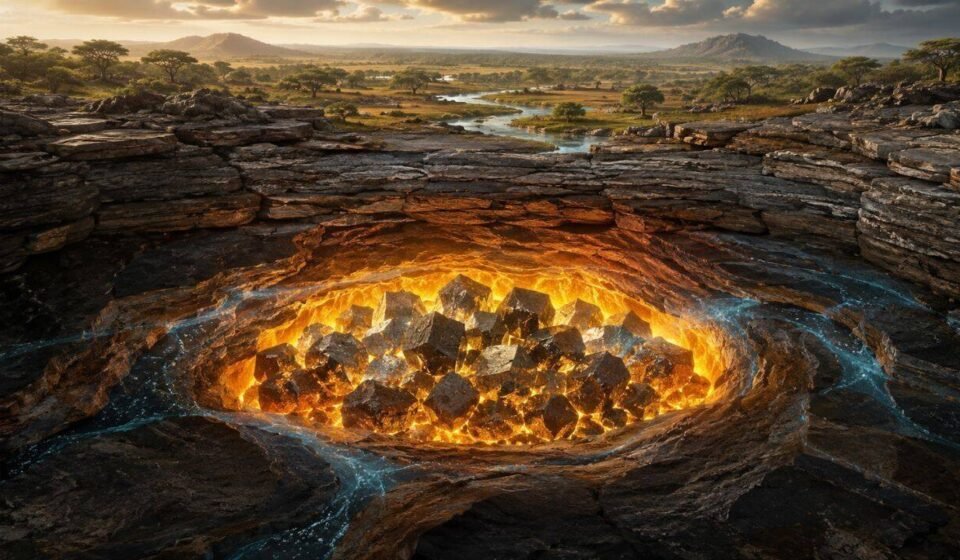
Long before forests spread across the continents, before the first animals walked the land, and even before the age of the dinosaurs, a remarkable process was unfolding beneath the Earth’s surface. Deep underground, a series of natural nuclear reactions begin to occur within unusually rich uranium deposits, releasing energy cyclically over a long period of time. Nothing was designed or built. There are no engineers, no machines, and no human intervention of any kind. However, the conditions were just right for nature to create something very similar to a modern nuclear reactor. Traces of this ancient phenomenon still exist in central Africa today, giving us an unexpected glimpse into Earth’s distant geological past and raising questions that continue to interest physicists and geologists.
Routine uranium testing unravels 2 billion-year-old mystery
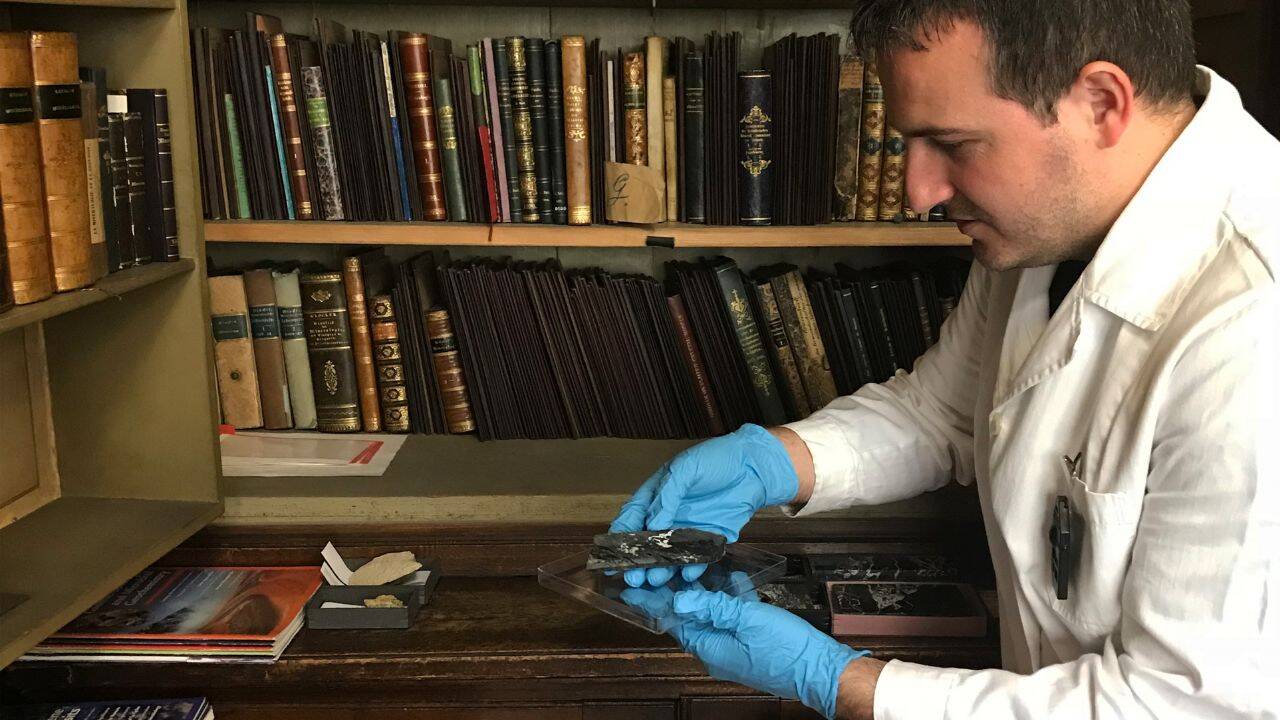
According to the International Atomic Energy Agency, the story did not come to light until the early 1970s during a routine inspection of uranium ore at a mine near present-day Oklo, Gabon. Aside from one minor inconsistency, the material at the site looks nearly identical to uranium found elsewhere. A small amount of the uranium-235 isotope appears to be missing.The difference is so subtle that it can easily be dismissed as measurement error. Instead, scientists looked more closely. The missing uranium-235 points to something extraordinary: that some of the radioactive material had undergone nuclear fission long before the ore was mined. Since these sediments are approximately 2 billion years old, this reaction is unlikely to be human-induced. It occurred naturally in Earth’s distant past, deep underground.
How Earth accidentally built and controlled its own nuclear reactor
The construction of a natural nuclear reactor is extremely difficult because several unusual conditions must occur simultaneously.At Oklo, uranium has accumulated in unusually high concentrations in ancient rock formations. Groundwater slowly filters these sediments, doing much the same thing as the moderators used in some modern nuclear power plants. The water slows down the neutrons enough for a sustained chain reaction to begin.This process did not continue without interruption. As heat accumulates, the surrounding groundwater eventually boils, eliminating the conditions needed for fission. Then the reaction stopped. Once the rock cools and the water returns, the cycle begins again. These natural switching phases recur over long periods of time, with some operating cycles lasting from hours to months.Scientists believe there are approximately 16 separate reactor areas in the area. They don’t all operate at the same time. Instead, activity shifted between parts over a period of about 200,000 years.
Computer: International Atomic Energy Agency
How Oxygen Helped Create Earth’s First Natural Nuclear Reactor
The Oklo reactor’s existence depends on more than just uranium and water.Their formation appears to be related to a major turning point in Earth’s history known as the Great Oxygenation Event, when microbes dramatically increased the amount of oxygen in the atmosphere. Oxygen alters many of the chemical processes occurring on the Earth’s surface, including the movement of uranium through groundwater.These changes allowed uranium-rich deposits to accumulate at concentrations rarely seen in nature. Without early transitions in Earth’s atmosphere, the geological conditions required for natural fission may never have developed.Subsurface chemistry also helps regulate reactions. Rather than spiraling out of control, the surrounding rock and groundwater create a natural feedback system that repeatedly interrupts and restarts the process.
How a 2-billion-year-old reactor tested the laws of physics
The value of the Oklo ruins lies in more than just its unusual history.Because these reactors operated billions of years ago, scientists are able to compare the nuclear reactions preserved in the rocks with those measured in laboratories today. If the fundamental laws that govern atomic behavior change over geological time, subtle differences may appear in the remaining isotopes.So far, these comparisons have yielded an interesting result. There is evidence that the physical laws that govern nuclear reactions have remained virtually unchanged over the past 2 billion years, matching observations made through astronomical studies of the distant universe.
What burying waste reveals
These reactors also produce radioactive byproducts similar to those produced within modern nuclear facilities, including isotopes that remain dangerous for long periods of time.However, most of the material barely flows from the place where it was formed. Despite the vast time span that followed, surrounding layers of rock and clay trapped the radioactive elements near their original location.This natural containment is of concern to scientists studying long-term storage of nuclear waste. While modern disposal facilities involve many different engineering challenges, Oklo provides a rare example of radioactive material being essentially confined underground for about 2 billion years.
The only known place where nature has built her own nuclear reactor
Although uranium deposits exist in many parts of the world, no other proven natural nuclear reactor comparable to Oklo has been discovered.The combination of geology, chemistry, groundwater and changes in the composition of Earth’s atmosphere seems unusually specific. Continental drift later brought the ancient reactor ruins to their present location in West Africa, preserving evidence beneath what is now Gabon.What begins as a nearly imperceptible anomaly in the laboratory eventually reveals that nature has assembled functioning nuclear reactors long before human civilization existed. Oklo’s rocks remain one of the most unusual records of Earth’s distant past, showing that, under the right circumstances, the Earth itself was capable of sustaining nuclear fission without any human involvement.