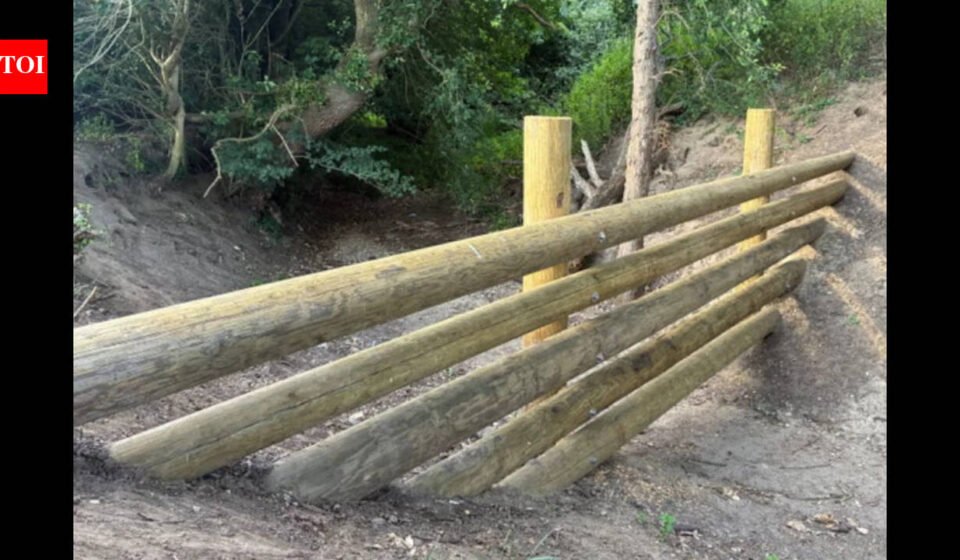
A village in England spent £35,000 building four beaver dams after their homes were flooded. Now waiting for next flood during hose ban period

East Anglia, a rural area in eastern England, is facing a hosepipe ban after becoming the driest region in the UK. But in one Norfolk village, people are also bracing for the opposite flooding problem.At Caistor St Edmund the ground becomes so dry and hard it feels like walking on paved roads. Farmers have harvested this year’s hay, but the yield is smaller than in previous years. If the rains don’t come soon, they fear there may not be a second harvest.A prolonged period of hot and dry weather has forced water recycling company Anglian Water to impose a hosepipe ban for the first time in 10 years. People are asked not to use hoses to water gardens, wash cars or fill paddling pools and hot tubs. However, they can still use a watering can.East Anglia is the driest region in the UK. According to Anglian Water, the region received just 39 per cent of normal rainfall this spring, making it the second driest spring on record. Many river levels are very low, reservoirs are holding less water than usual, and record-breaking temperatures have increased water use.Dr Geoff Darch, director of strategic asset planning at Anglian Water, was quoted by the BBC as saying: “It’s understandable that customers want to stay cool and have fun in the sun, but harsh conditions are putting the environment and water supplies under increasing pressure.” He urged people to “hang up the hoses, let the lawns go brown, the cars get dirty and use water more wisely”.
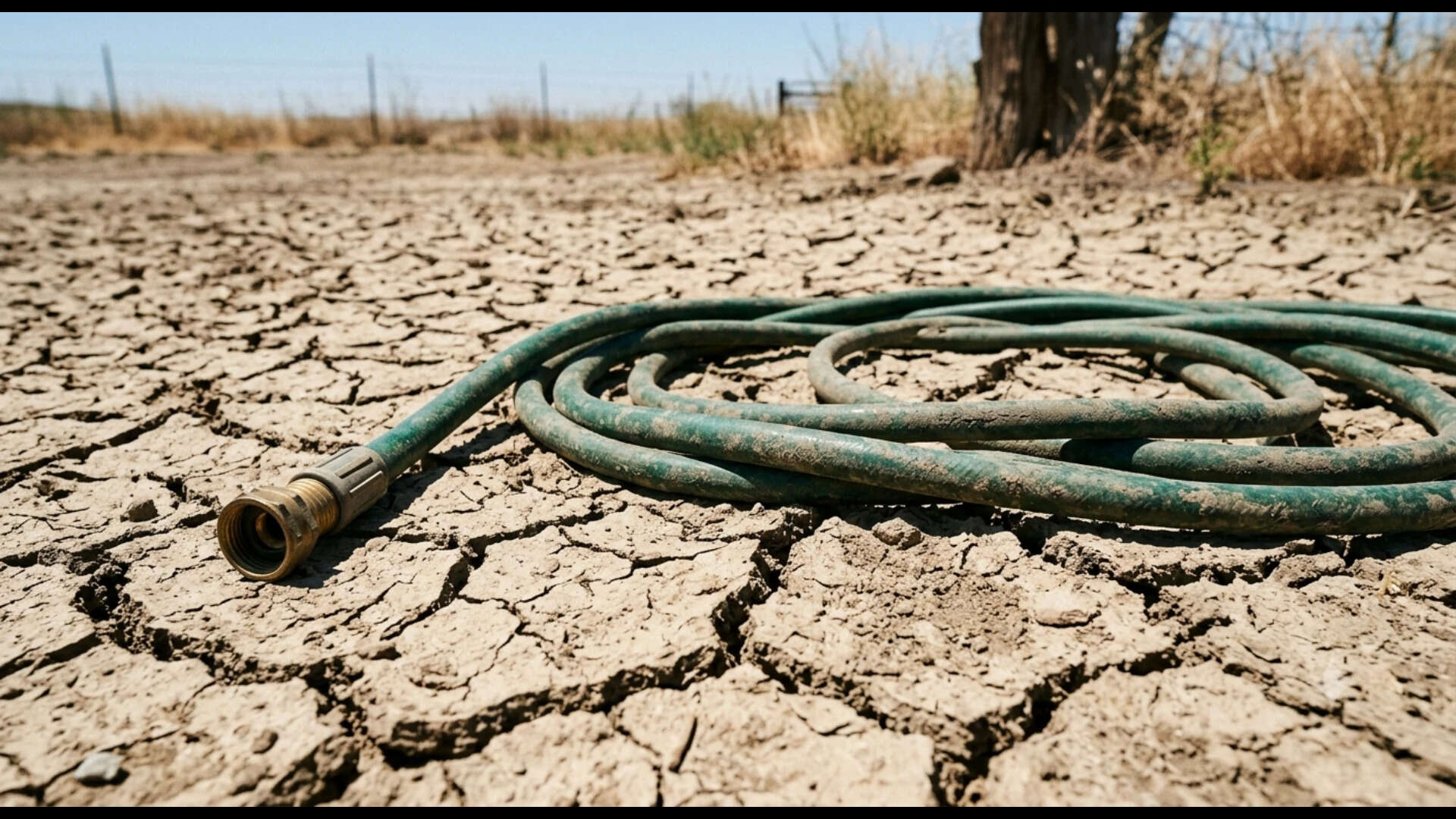
Customers are asked to avoid using hoses to water gardens, wash cars and fill paddling pools or hot tubs. (Representative AI photo)
From drought to flood
Today, people are asked to save every drop of water. But residents of Caisto St Edmund haven’t forgotten what happens when there’s too much flooding.According to the Guardian, the current dry weather is very different from what the village experienced in December 2020. Days of heavy rain flooded drainage ditches and washed away nearby fields. Roads turned into torrents of mud, and despite sandbags, homes were flooded and volunteers struggled to keep gutters clear. Residents said it was the worst flooding they had ever seen.To reduce the risk of another flood, four timber-framed buildings have been built along Wash Lane, where the waterway is now dry. These structures are called leaky dams or blockages. They do not completely block the flow of water, but rather slow it down. During heavy rains, they also trap tree limbs and other natural materials, helping to slow the flow of water before it reaches roads and homes.
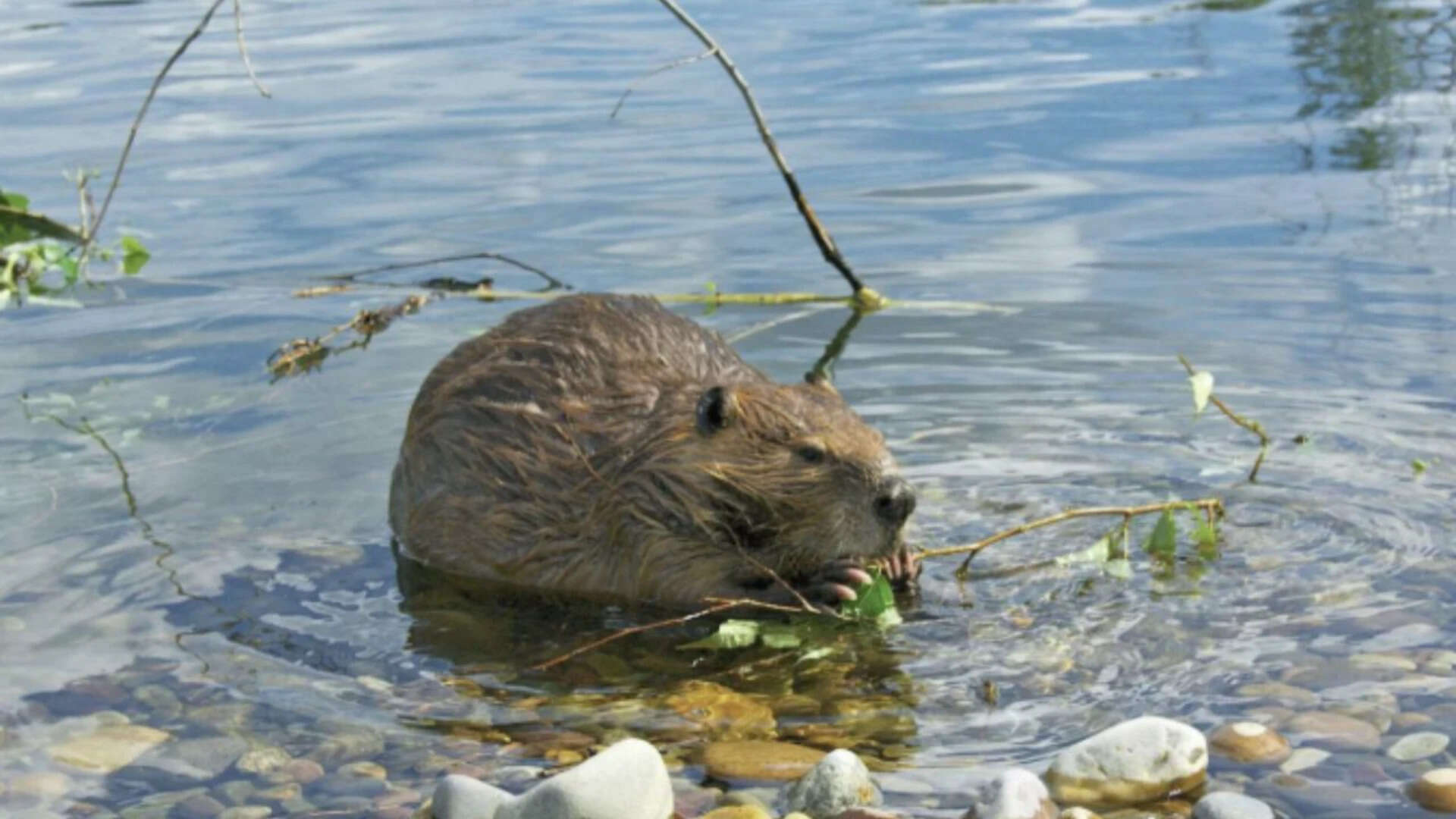
Beavers are known as ecosystem engineers because they naturally reshape rivers and wetlands by building dams.
learn from beaver
Norfolk County Council has spent more than £35,000 on the project. The idea was inspired by beavers, which are often called ecosystem engineers because they naturally reshape rivers and wetlands by building dams.When beavers cut down trees and build dams, they slow the flow of water and create small ponds. The ponds also serve as breeding grounds for wildlife such as dragonflies and amphibians, including frogs, toads and salamanders.There are a small number of released beavers in Norfolk, and some have bred successfully, but none live near the village. The design of wooden leaky dams mimics the way beaver dams work and provides similar flood control benefits.The project reflects the growing need to prepare for more extreme weather, namely prolonged droughts followed by heavy rains. While the leaky dam is expected to reduce flood risks, major solar developments are also planned for nearby fields. This could change stormwater runoff, the way rainwater moves through the ground before reaching streams and gutters.