
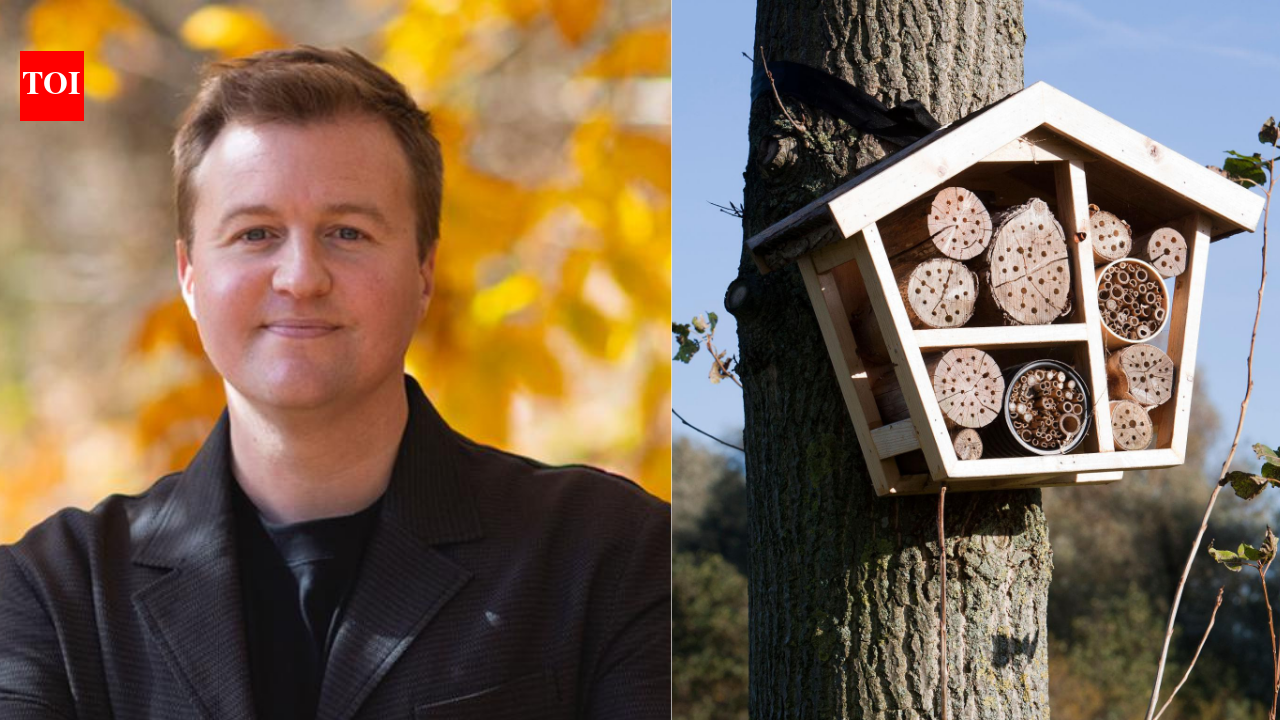
Hotels are usually built with travelers in mind, but some are designed for creatures from the thumb down. Scientists and conservationists have spent years building these microrefuges for wild bees, which take the form of small nesting structures with narrow tunnels that mimic the hollow stems and cavities that many solitary bees naturally use to lay their eggs. Canadian researcher J. Scott MacIvor installed 200 bee hotels across the city and monitored them for three years in the hope that they would provide additional nesting space in an increasingly urban landscape. What began as a simple conservation experiment soon revealed entire hidden communities of insects, prompting researchers to rethink how artificial nesting sites impact pollinators and urban biodiversity.
Why scientists are building hotels for bees
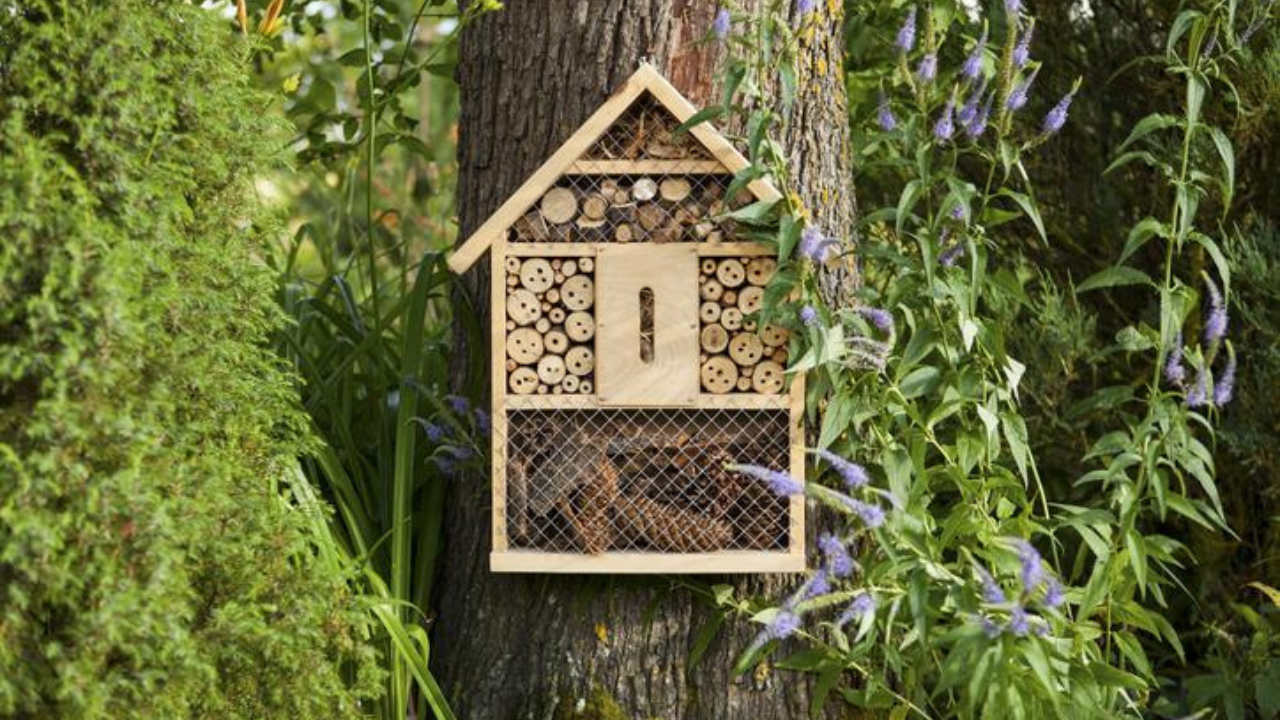
When most people think of bees, they think of bees living in bustling hives. In fact, bees make up only a small portion of the world’s bee diversity. Of the approximately 20,000 known bee species, approximately 90% are solitary, with each female building and providing her own nest without the help of a queen or worker bees.Many solitary species build nests in hollow plant stems, and beetles burrow in dead wood and other natural cavities. However, urban development, intensive landscaping, and the removal of dead wood have reduced nesting opportunities in many locations. Bee hotels were developed to replace some of the lost habitat by providing carefully sized tunnels in which empty-nest species including mason bees and leafcutter bees can lay their eggs. Unlike a bee’s hive, these structures are not colonies but collections of individual nesting chambers, each occupied by a female bee and her developing offspring.Most bee hotels are made from blocks of untreated hardwood drilled with narrow holes of varying diameters, or bundles of replaceable paper or cardboard tubes enclosed within a protective frame. Each tunnel is sealed at one end and left open at the other, allowing a lone female bee to lay her eggs, leaving a cloud of pollen and nectar for the developing larvae. The chamber is sealed with dirt or leaves, and the process is repeated until the tunnel is filled. In the wild, these bees often do this by exploiting hollow stems, beetle burrows, or natural cracks in dead wood.By the time McKeever began his research, bee hotels had been widely promoted as a simple way to help reduce pollinators, but surprisingly there was little scientific evidence that they actually worked for native bees. This knowledge gap became the focus of his research.
Three-year experiment with 200 bee hotels
To find out whether bee hotels actually support native pollinators, urban ecologist J. Scott MacIvor and co-author Laurence Packer install about 200 bee hotels in Toronto and surrounding areas each year and monitor them for three years.The study, published in PLOS ONE, examined the deployment of nearly 600 bee hotels and recorded more than 27,000 newly emerged bees and wasps. Rather than simply counting the number of arriving bees, the researchers identified each occupant, compared native and introduced species, recorded parasites, and assessed which species occupied the hotel and how these artificial nesting sites affected native bee colonies.It soon turns out that bee hotels are more than just homes for solitary bees. Native bees do use nesting tunnels, but they share these tunnels with a surprising number of other insects. Native wasps take over nearly three-quarters of the hotel each year, while introduced bee species are also common. The frequent presence of ants, spiders and parasitic insects turns the structures into thriving micro-ecosystems rather than single species habitats.The findings suggest that bee hotels can affect entire insect communities, giving researchers a rare glimpse into the complex relationships that unfold within these artificial nesting sites.
What this study reveals about biodiversity
The study did not conclude that bee hotels are inherently harmful. Instead, it shows that their ecological impacts are much more complex than many thought.“Taken together, our results suggest that bee hotels appear to differentially increase the abundance of wasps, but not native bees,” the researchers wrote. They also noted that the findings “underscore the need for increased research on bee hotels and their associated impacts on bee biodiversity and pollination in urban environments.”Rather than providing simple conservation measures, bee hotels can influence which species occupy an area, how insects compete for nesting space, and how urban ecosystems function over time.
“If you build it, they may come”
McKeever has long argued that these findings should not deter people from supporting native bees but should encourage the design of better conservation efforts.Reflecting on the study, he said: “If you build nest boxes, they might come. Or they might not. Or they might come next year.” His point is that bee hotels should be viewed as carefully managed conservation tools rather than guaranteed solutions to pollinator declines.Subsequent research refined bee hotel best practices, recommending the use of untreated hardwood, appropriately sized nesting tunnels, regular cleaning, and thoughtful placement to maximize benefits to empty-nesting native bees while reducing the opportunity for parasites and disease.
Bee hotels are just part of the solution
The study also highlights an important limitation. Most native bee species nest underground, rather than in wood or hollow stems, meaning bee hotels benefit only a few bee species. In contrast, ground-nesting bees rely on healthy soil, flowering plants, and undisturbed habitat.For this reason, conservationists see bee hotels as part of a larger strategy. Protecting native wildflowers, reducing pesticide use, protecting dead wood, and maintaining natural habitats remain equally important to supporting healthy pollinator populations.Bee hotels may never support all bee species, but they provide scientists with a remarkable window into the hidden lives of pollinators. In doing so, they show that even the smallest conservation projects can reveal new insights into biodiversity and the complex web of life that supports our ecosystems.