
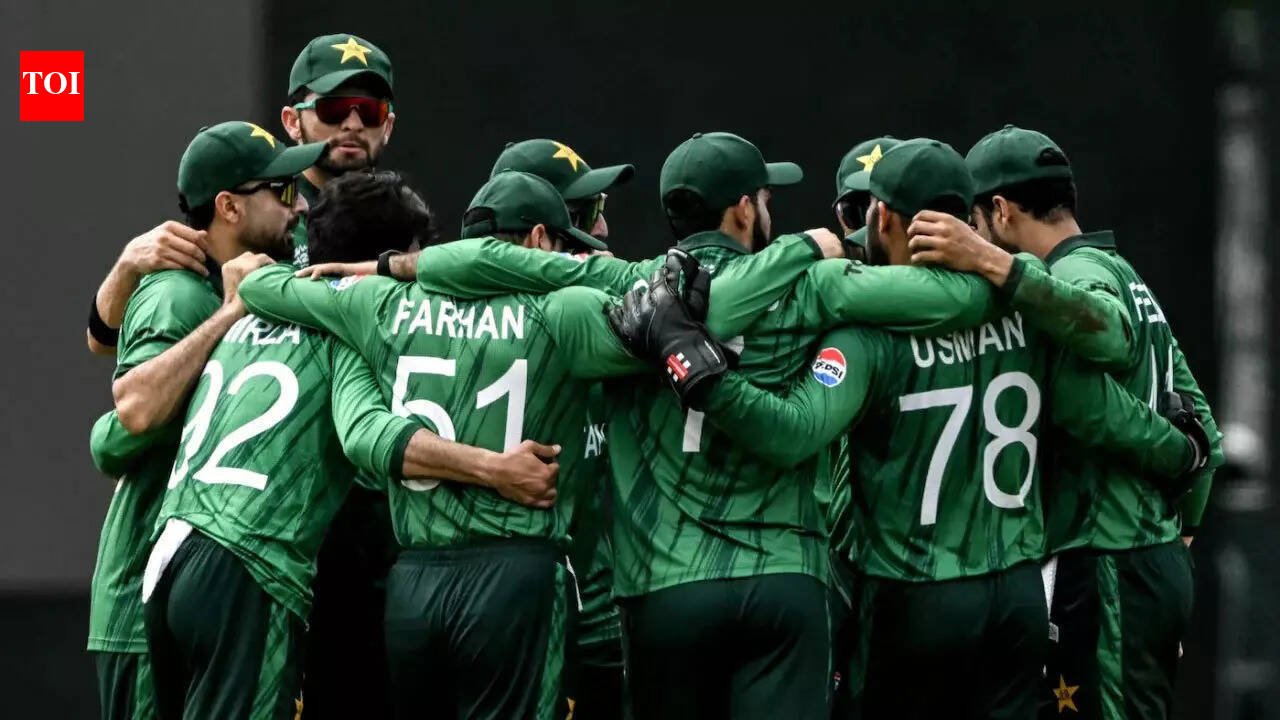
New Delhi: After a week of uncertainty, the International Cricket Council (ICC) and Pakistan Cricket Board (PCB) have restarted talks over the Pakistan government’s call for a boycott of the T20 World Cup match against India in Colombo on February 15.The PCB entered into dialogue with the ICC after the ICC termed the legal measures taken by the PCB to resist legitimacy as “weak”. The PCB invoked the “force majeure” clause to avoid sanctions from the International Criminal Court for breaches of the Membership Participation Agreement (MPA).
It is understood that the ICC has asked the PCB to explain the reasons in detail and questioned whether the Pakistani board had taken enough measures to avoid this situation. While the PCB did not officially communicate its decision to boycott the match, it wrote to the ICC citing force majeure and cited the government’s directive not to play the match against India.The ICC highlighted the conditions under which force majeure can be legally invoked – a fundamental prerequisite for non-participation – in addition to mentioning the implications of such a step for sport, business and governance. As in a statement issued on February 1, the International Chamber of Commerce officially warned the PCB that if the boycott continues, damage may be caused.prime minister of pakistan Shehbaz Sharif The boycott call was announced to express solidarity with Bangladesh after the ICC expelled Bangladesh from the T20 World Cup after the Bangladesh Cricket Board (BCB) refused to travel to India. The boycott could cost Pakistan cricket hundreds of millions of dollars in economic losses.