
Twenty-five years ago this week, few had any hope for Indian cricket. Scarred by the match-fixing scandal just a year ago and struggling to save face, they are a leaderless team Steve WaughIt’s “Invincible”. What happened would change Indian cricket forever. TOI relives a watershed moment…Her eyes lit up and she was about to jump down the stairs when she suddenly stopped. As the first-floor lobby of Eden Gardens was packed with reporters, officials and hangers-on, the Indian cricket team captain, who had just been in charge for just one year, walked out of the dressing room, opened the glass door and stepped into the delirious pool. Sourav Ganguly had not yet changed out of his white clothes. He raised his head, showed a bright smile to Mrs. Ganguly, and then said loudly: “After the press conference…”Push boundaries with our YouTube channel. Subscribe now!But his liquid gaze conveys a deep-seated and passionate joy that is never lost in translation—even after 25 long summers. “Yes, we did, honey,” he expressed simply.Memories bring diamonds and rust, and that 30-second blip and the match before Eden Gardens remains a shining light in Indian cricket, long after the dust has settled after Steve Waugh’s ‘Invincible’ returned from the final boundary.It was the summer of 2001, and the Indian cricket world was gasping for fresh air to clear the stench of a match-fixing scandal that refused to leave its white flannel. Board of Control for Cricket in India (BCCI) banned former captain Mohammed Azharuddin for life and banished Ajay Jadeja for five years. Sachin Tendulkar Refusing to be captain leaves a dangerous void that requires immediate attention. In this unpopular situation, Ganguly was given the responsibility of a rudderless boat, a decision that would pay dividends many times over.
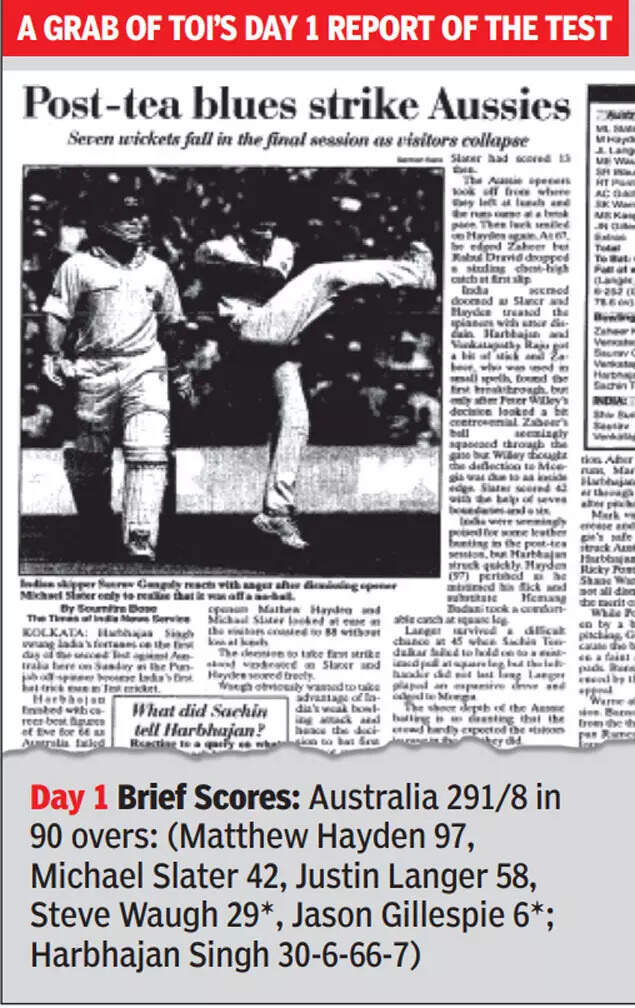
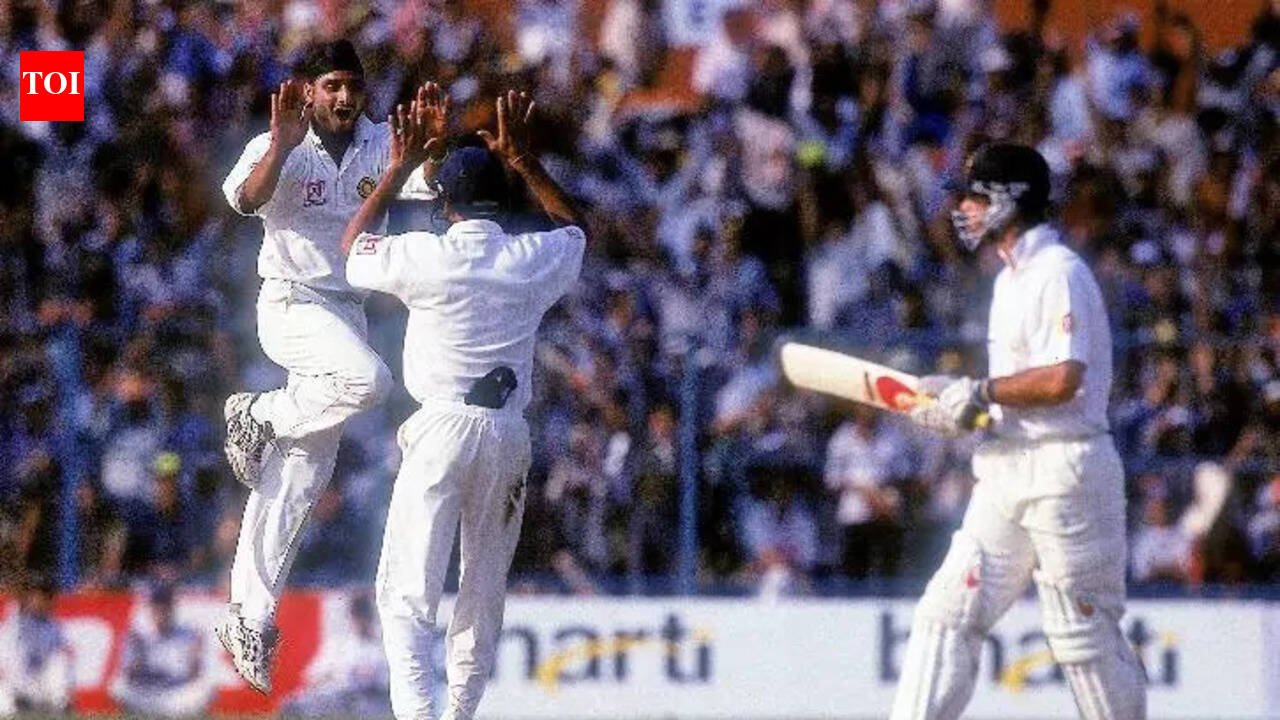
The team shot to fame with a 3-2 one-day win over South Africa and built on a run of 15 Test wins in a row to move into Steve Waugh’s Australia squad for a three-Test series. Comparisons to Donald Bradman’s 1948 Invincibles were part of the dinner table conversation while Australians were on the Waugh-path in Bombay. The first Test match ended in three days, and the Australian team lived up to expectations and moved to 16 points.Kolkata, which had just been renamed two months ago, was their next stop. Captain Waugh hit a century, his only for India, and his bowlers, including the unstoppable Glenn McGrath and Shane Warne, exposed India’s usual weaknesses and left them in a tough and lengthy chase.A small bump or bump in the road rattled the Australian in the first game. A lively young off-spinner, who grew up to be Baji, trapped Ricky Ponting and Adam Gilchrist in front with two consecutive balls before beating Shane Warne with the third ball to become the first Indian to take a hat-trick in Test cricket. Harbhjahan Singh’s Youthful Insolence (7/123) was rather unscripted and had the packed audience dancing at the prospect of a fight.Visitors failed to read the writing on the wall. So did the scribes in the press box, who mostly believed Australia would win.Ganguly’s team won’t hide without fighting back.
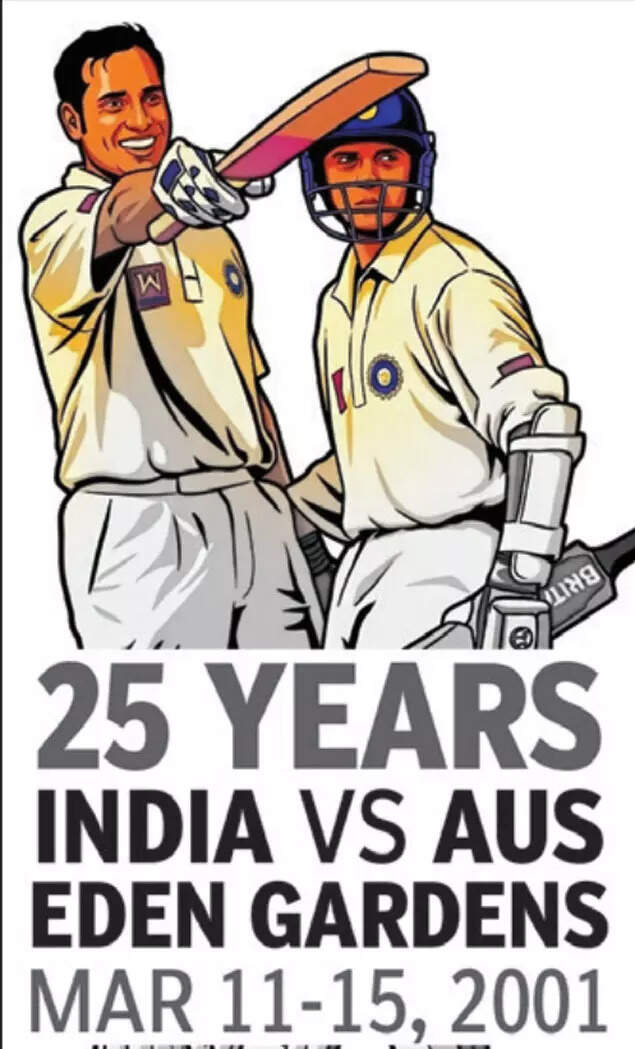
After India failed in the first innings, Waugh forced the follow-on, long after the last ball had been bowled by Harbhajan, a decision he regretted as the shadows lengthened on the Eden Gardens three days later. He hit a half-century in the first innings when the Indian batting edifice was crumbling, Pipe Laxman When Waugh forced the follow-on ball, he got a chance to be promoted to the No. 3 batsman position.Day 4 Laxman and Rahul Dravid If you’re an art lover, you can hammer and chisel out a kinetic sculpture that rivals Michelangelo’s David. If you are into political history, you can think of Stalingrad.The game had turned. The severity of the drop can be seen from the fact that this was Australia wicketkeeper Adam Gilchrist’s first taste of defeat in Test cricket since making his debut in November 1999, with 15 previous Tests.The game turned and so did the fortunes of Indian cricket, led by the formidable Ganguly, who made the visiting captain wait on the sidelines before bowling just to make his point. It was his brainchild to fight the opponents mentally and tactically, something unheard of in the history of Indian cricket.Asked about the aftermath of the reversal, the Australia captain said: “The sun will rise again tomorrow.” It certainly shined for Ganguly’s India.The third Test in Chennai was another street brawl as young Harbhajan ended up taking 32 wickets to help India end the Test series against the powerhouse. The impact of the series win wasn’t immediately apparent though.The Eden Test was the turning point for Ganguly’s team to turn the corner. From unwashed, smelly lanes to tree-lined sports boulevards.Twenty-five years on, the Eden Gardens Test match remains an undecided conversation, without a superficial sigh.
| In March 2001, ahead of the start of the second Test at the Eden Gardens in Kolkata, Australia, Mumbai won the first Test at the Wankhede Stadium by ten wickets, extending their winning streak to sixteen matches, the best of any team in the Test series. They took a 1-0 lead in the series. |