Emaar founder boldly reveals why Dubai property market is ‘fearless’ amid Iran and US-Israel war

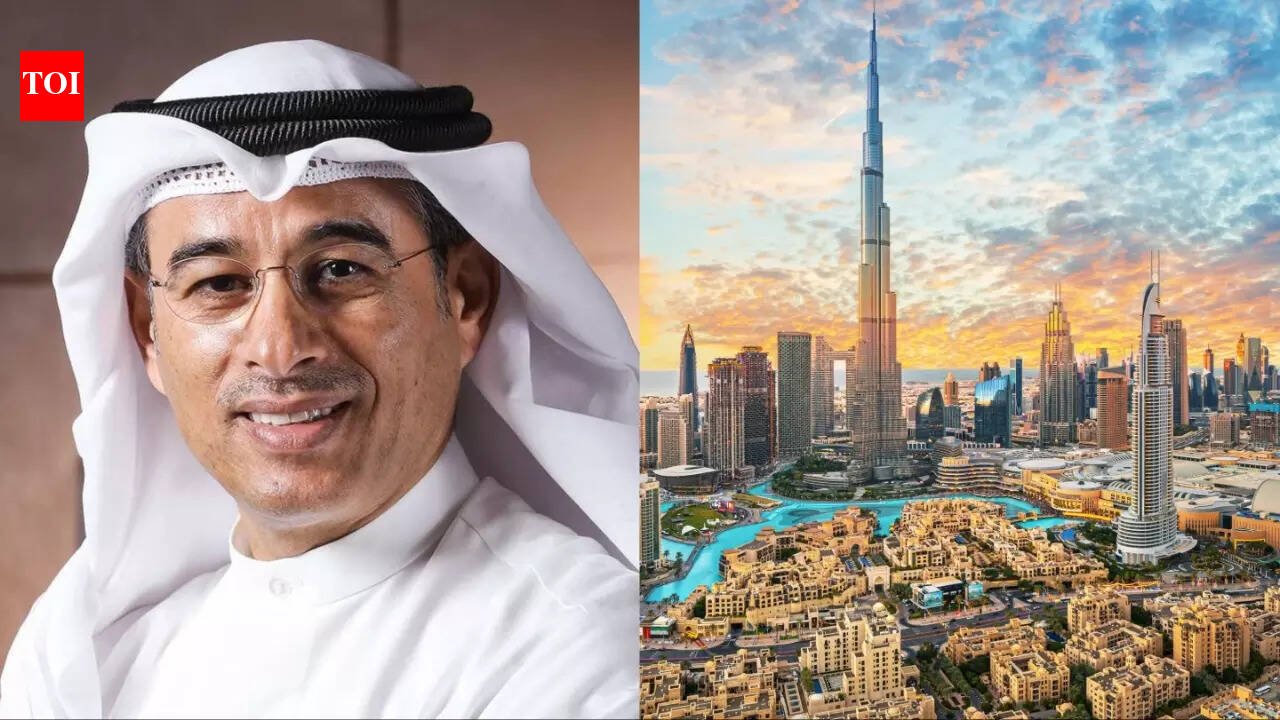
Despite rising geopolitical tensions middle East Dubai’s real estate sector remains resilient amid concerns over economic stability amid the US-Israeli war with Iran, industry leaders say. Mohamed Alabbar, founder of Emaar Properties, recently said there was “nothing to worry about” in Dubai’s real estate market, despite the region facing a complex geopolitical environment and gearing up for a surge in new housing supply.
Dubai real estate market confident amid uncertainty over Iran and US-Israel war
The comments come as regional tensions over conflicts between Iran, the United States and Israel raise questions about investor confidence across Gulf markets. The UAE’s financial markets have already experienced volatility due to regional security concerns, while analysts have warned that geopolitical risks could test Dubai’s reputation as a safe investment hub.However, Alabbar remains optimistic about the long-term prospects of the emirate’s real estate sector. He believes that the UAE’s stable leadership, long-term planning and strong economic fundamentals have historically helped the country withstand global and regional shocks. He said these factors continue to make Dubai a safe haven for international capital and real estate investors.
A surge in Dubai property supply seen as positive for the market amid Iran and US-Israel war
Dubai is also preparing for a wave of new property supply in 2026 and 2027, a development that some analysts fear could depress prices. However, Alabbar believes that additional inventory will actually benefit the market by stabilizing price growth and ensuring sustainable expansion. He sees the incoming supply not as a threat but as a natural part of the housing cycle. Developers say the long-term strength of the market depends on maintaining balanced growth rather than short-term price spikes. Emaar’s recent financial results reinforce the positive outlook. The developer reported record property sales and strong revenue growth, driven by continued demand for residential projects and luxury developments in Dubai. The city’s luxury real estate market also continues to attract wealthy international buyers. Even amid regional tensions, high-end real estate transactions have reached record levels, with sales of ultra-luxury apartments exceeding hundreds of millions of dirhams.
Global investors attracted to Dubai despite war between Iran and US-Israel
Dubai’s allure lies in its combination of tax incentives, modern infrastructure and investor-friendly policies, which continues to attract global investors looking for stable returns. Analysts note that over the past two decades, the city has successfully transformed into one of the most dynamic real estate centers in the world.However, the industry is not entirely immune to risk. Some experts warn that prolonged geopolitical instability or declining foreign investment could slow growth momentum in the coming years. For industry leaders like Alabbar, the key message is that Dubai’s real estate market is designed for long-term resilience rather than short-term speculation. With strong demand, large-scale infrastructure projects and a steady inflow of international investors, the UAE’s real estate sector looks set to remain a cornerstone of the UAE’s economic growth. As Dubai continues to expand its skyline with ambitious development projects, from luxury beachfront communities to iconic landmarks, the city’s real estate market has once again proven its ability to withstand global uncertainty and emerge stronger.(Disclaimer: Expert advice and views on the stock market, other asset classes or personal finance tips are their own. These views do not necessarily reflect the views of The Times of India)