
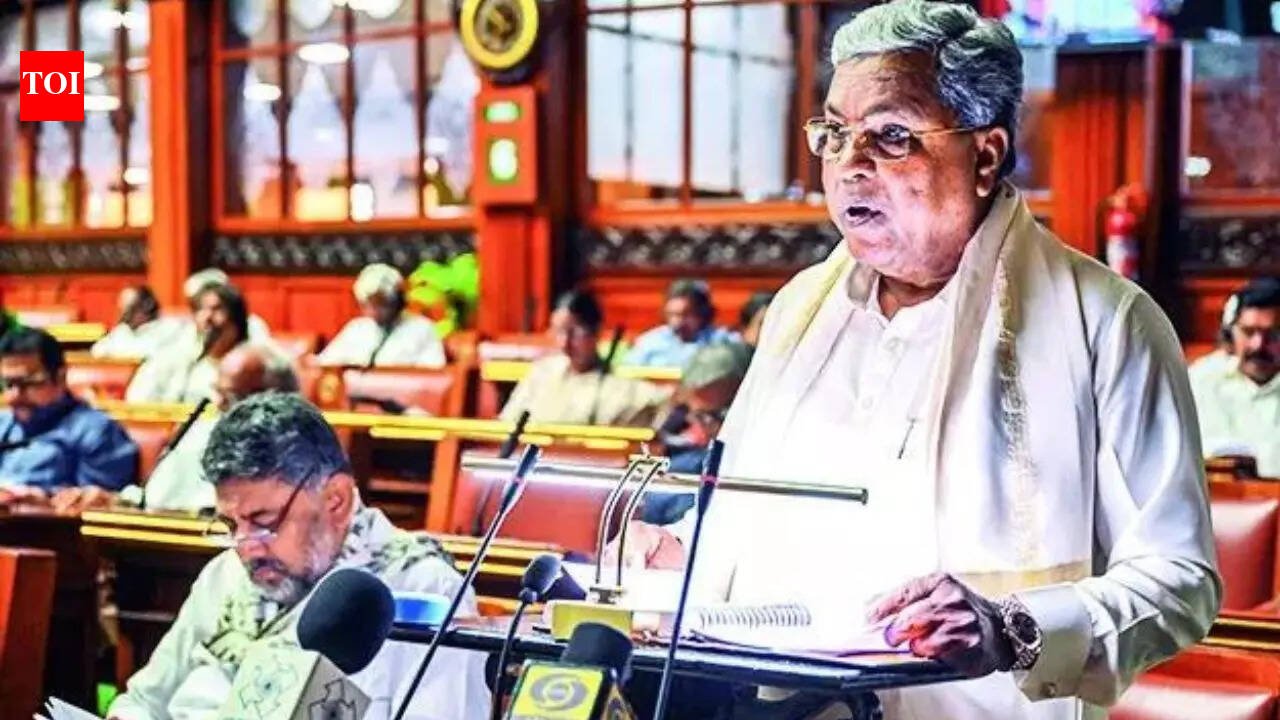
BENGALURU: Beer and wine are likely to become cheaper as Karnataka launches a new alcohol-in-beverage (AIB)-based excise tax regime from April, becoming the first state in the country to directly link liquor tax to alcohol content. The new framework will comprehensively loosen government pricing controls and halve pricing standards to eight. While presenting the government’s 2026-27 budget on Friday, CM Siddaramaiah said the uniform excise duty per liter of alcohol will be phased out over 3-4 years and prices will be adjusted gradually to avoid market disruption. The reforms are aimed at modernizing the consumption tax system, increasing transparency, simplifying pricing and promoting ease of doing business.“The AIB-based excise structure is recognized globally as the gold standard for alcohol tax as it directly targets alcohol content, which is a major source of negative externalities,” the CM said while setting an ambitious revenue target of Rs 45,000 crore for the excise department for the next fiscal.In India, typical beer ABV (alcohol by volume) range is 4%-8%, with a strong variation of 8%. Whiskey generally contains 36%-50% alcohol content. The AIB system imposes higher taxes on high-alcohol alcoholic beverages, which may prompt consumers to choose lower alcoholic beverages.Industry representatives welcomed the policy. Vinod Giri, director general, Beer Association of India, said: “AIB-based tax is a historic milestone and a beacon for excise policy reforms across India… The product being taxed is alcohol and not water. It is widely followed across the world and encouraged by organizations like the World Health Organization.”A spokesman for United Breweries praised the “government’s intention to strengthen the regulatory and policy framework for the industry”. United Breweries shares soared following the announcement.Sanjit Padhi, CEO of the International Spirits and Wine Association of India, welcomed the move to liberalize alcohol pricing. “Reducing the slabs to eight can provide brands with pricing flexibility. While the final tax structure has not yet been determined, we hope that stable policy will promote investment and premiumization, moving consumers from low-end products to higher value options,” he said.The government also plans to promote alcohol-related tourism, allowing tastings and on-site sales at distilleries. Breweries and breweries will be allowed to operate 24 hours a day, and beer labels will no longer require mandatory disclosure of malt and sugar content.The tax announcement comes amid controversy over alleged corruption of Rs 5,000 crore in liquor licenses. The opposition demanded the resignation of Excise Minister RB Timmapur. He denies the accusations.