
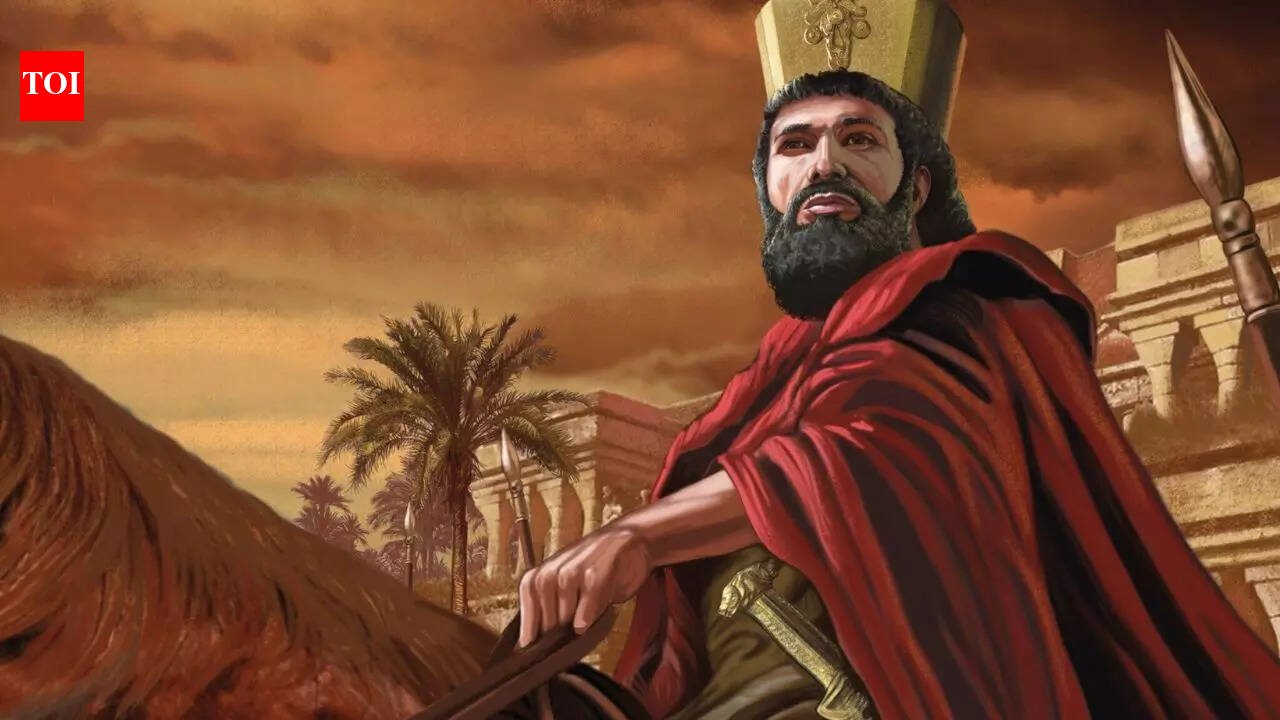
Cyrus the Great of Persia remains compelling today, more than 2,500 years after his death. Not just because of the vast lands he conquered, but because of the way he did it. He did not rely solely on bloodshed like other kings. His victory was huge, but humane. Somehow, he managed to win the loyalty of his ruler.According to the Armstrong Institute for Biblical Archeology, Cyrus II reigned from 559 to 530 BC. Ancient sources and archeology indicate that he created the largest empire the world has ever seen. Persia stretches from the Indus River in the east to the Aegean Sea in the west, from the Danube River in the north to Libya in the southwest. However, it wasn’t just the borders that mattered, it was the way he treated his people that was different from previous empires, and he ruled not just out of fear.Cyrus’s empire, his victories, and his respect for human rights resonate even today. He conquered nations but also respected people. He fulfilled a prophecy written long before he was born. He did all this without losing his humanity.
How Cyrus captured Babylon without a fight
Babylon is a legend. Walls hundreds of feet thick, hanging gardens, majestic palaces that seemed impenetrable. The Euphrates River runs like a silver ribbon through the city, adding to the challenge. However, in 539 B.C., Cyrus accomplished what seemed like a miracle.By diverting the Euphrates River, he created a shallow river bed. Persian soldiers waded in at night. Then the gates to the city opened. The Babylonians were celebrating, unaware of the coming conquest. Yes, luck plays a role, but planning and strategy are more important. Instead of the expected massacre, the city fell.King Nabonidus of Babylon and his son Belshazzar were stunned. Greek historians such as Herodotus and Xenophon recorded this event. To this day, the Fall of Babylon under Cyrus looks almost like a movie.
How he respected conquered peoples and helped Jews return to Jerusalem
Cyrus was more than a conqueror. He is reported to be the first truly humanist ruler. The Cyrus cylinder discovered in Italy in 1879 illustrates his policy. He allowed conquered peoples to retain their customs, religion, and government. There were no mass executions. There was no forced assimilation.His most famous performance? Freed the Jews from Babylonian captivity. Not only did he allow them to return to Jerusalem, he funded their journey and the rebuilding of the temple. Experts say it is rare and almost unprecedented for a ruler with so much power to be so generous.
Isaiah’s words seem to foreshadow the reign of Cyrus
The Bible mentions Cyrus long before he was born. Isaiah 44:28 talks about a man who will rebuild Jerusalem and the temple. Isaiah was written about 150 years before the reign of Cyrus. Looks extraordinary. A king, centuries before his birth, fulfilled a prophecy. Some historians dispute the dating of Isaiah, but discoveries such as the Dead Sea Scrolls confirm that the text existed long before Cyrus.Cyrus knew the prophet Daniel, who probably had mentored him in Babylon. Perhaps this connection helped him understand his role. This might explain why Cyrus acted so cautiously and fairly.