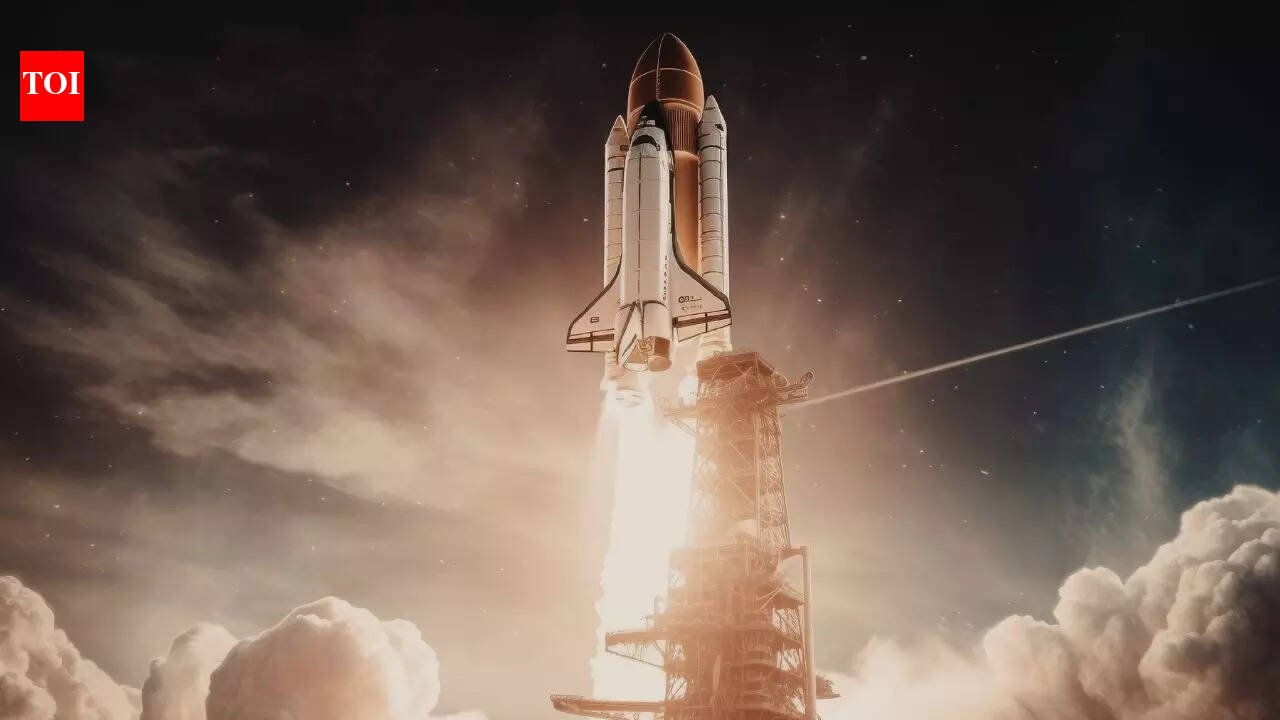


NASA Rocket parts made by Boeing and Lockheed Martin are being considered for the next mission to the moon as the cost of the Artemis program continues to rise. Costs are rising, so NASA is looking for other ways to stay on budget while still keeping the lunar mission on track. The space agency has been under intense pressure to find a balance between its ambitious exploration goals and using money wisely. This is especially true as competition in space intensifies from other countries and companies.The goal of the Artemis program is to return astronauts to the moon and keep people there forever. But experts and policymakers worry about how much the cost of testing, hardware and mission operations will increase. NASA hopes to avoid delays and cost overruns by using parts already supplied by Boeing and Lockheed.
NASA may reuse Boeing-Lockheed components to cut Artemis moon mission costs
NASA’s Artemis mission is part of a larger plan to ensure long-term exploration of the moon. Benzinga said the cost of manufacturing new rocket parts and systems has risen significantly over the past few years. Costs were higher than expected due to engineering, supply chain issues and higher prices for aerospace materials. By using parts already manufactured by Boeing and Lockheed, NASA can save time and money in manufacturing and development.The agency made it clear that safety and reliability remain paramount. NASA has strict regulations for manned missions, so any changes to rocket components or designs must undergo extensive testing to ensure compliance with those regulations.
Boeing and Lockheed team up
Boeing and Lockheed Martin, two of the largest U.S. aerospace contractors, have previously collaborated on large space projects, such as the Space Launch System (SLS). They’re a good partner for NASA now because they know a lot about building things, launching rockets, and planning missions. If NASA uses components that have already been tested, it could spend more time and money on other important parts of the mission, such as training astronauts, building life support systems and developing lunar landing technology.It’s part of NASA’s larger program to work with business leaders to execute missions safely and efficiently by combining new ideas with those that have worked in the past.
Impact on future lunar missions
Finding a balance between mission objectives, cost and risk is difficult in space exploration these days, as the decision to study the Boeing-Lockheed part illustrates. You can trust systems that have been tested and know how much they cost, although new technologies often promise better performance. NASA’s scrutiny shows that lunar missions are becoming increasingly difficult. Therefore, many contractors and agencies need to plan and work together very carefully.NASA wants to keep the Artemis mission on track and ensure that people living on the moon behave in an environmentally friendly way. They are combining pieces that already exist to make this happen. The program could also set the standard for future international and commercial partnerships in the search for the moon.NASA’s ongoing work illustrates the tension between significant science goals and real-world constraints. It also shows that careful planning and judicious use of technology can help achieve milestones in space exploration, even when money is tight.