
Massive UAE visa relief: Overstay fines for tourists affected by flight chaos during Iran and US-Israel wars scrapped


The Federal Authority for Identity and Citizenship (ICA) of the United Arab Emirates has announced a comprehensive exemption from overstay fines for residents, visitors and tourists who are unable to leave the country due to flight cancellations and airspace closures due to the conflict between Iran, the United States and Israel affecting the Gulf aviation corridor. The policy, aimed at easing the burden on travelers stranded by circumstances beyond their control, has quickly become one of the most talked about tourism developments in the region.The ICA’s decision applies to a large group of individuals whose visa status may have become technically invalid due to the unprecedented flight disruptions and airspace closures that have forced them to extend their stays, a situation affecting travelers from around the world trying to transit through or leave the UAE. The exemption is effective immediately and applies to those affected by mandatory travel disruptions.
Why the UAE is waiving overstay fines: Humanitarian travel response
Since March 2026, coordinated U.S. and Israeli strikes against Iranian targets and Iran’s subsequent missile and drone responses have stoked serious regional tensions, leading several Gulf states to restrict or close their airspace. The restrictions have grounded airlines, canceled flights and left thousands of frustrated travelers stranded at airports, hotels and transportation hubs across the region. Emirates airlines including Emirates, Etihad Airways, flydubai and Air Arabia have temporarily suspended most scheduled flights as national authorities prioritize safety amid uncertain conditions.

UAE Immigration eases visa rules: Overstay fines waived for passengers affected by Iran-US-Israel war
The prolonged closure of one of the most important airspaces for the global aviation industry has forced many long-haul passengers, tourists and UAE residents to remain in the country well beyond their planned departure dates. Under normal circumstances, such overstays could result in fines, legal disputes and visa penalties. Recognizing this exceptional situation, the ICA is waiving all such fines for overstays as a direct result of travel disruption. The decision is intended to ease the financial stress travelers face due to trip cancellations, extended hotel stays and logistical uncertainty.
How UAE waivers could play into Iran, US, Israel war: What travelers need to know
According to the ICA, exemptions apply to:
- tourists and visitors
visa Expired when unable to leave the UAE due to flight cancellations and airspace closures; - Residents and expatriates whose exit permits are affected by the disruption of departure flights;
- Individuals holding short-term visas (visit visa, tourist visa, transit visa) who are unable to leave the country before their visa expires due to the crisis.
Importantly, those seeking exemption relief must provide documentation that they are unable to leave due to overstaying as a direct result of flight cancellations or airspace restrictions. Evidence can include canceled ticket receipts, airline notifications or official airport advisories. ICA urges applicants to follow standard channels and cooperate with immigration officials. The authorities also stressed that no additional penalties will be levied on these overstay cases as long as they are caused by recognized airspace disruptions. This approach embodies compassionate, people-centered policies to address extraordinary travel challenges.The removal of overstay fines will come as a huge relief to many visitors and residents in the UAE, especially those planning short-term business trips or holidays. In the past week alone, thousands of travelers have queued at terminals at international airports including Dubai International (DXB) and Abu Dhabi Zayed International (AUH) for flight updates as airlines adjust operations under airspace restrictions. Individuals from South Asia, Europe, North America and Africa reported extended stays and unplanned hotel stays due to flight disruptions.The ICA’s exemption helps eliminate one of the most common anxieties faced by travelers stranded abroad: the fear of financial penalties or a visa blacklist. Waiving these fines provides travelers with a clearer path to regularize their status and return home without encountering unnecessary bureaucratic or financial obstacles.
Trends in travel policy during crises and wars between Iran, the United States, and Israel
The UAE’s move reflects a broader trend of crisis-driven migration flexibility, with countries temporarily adjusting visa enforcement in response to unusual disruptions. In recent years, similar policies have been enacted around the world during events such as epidemics, natural disasters, and geopolitical crises, with the recognition that strict enforcement under such circumstances would be both unreasonable and onerous. By taking a pro-traveller stance, the UAE positions itself as a country that prioritizes humanitarian considerations as well as security and public safety.
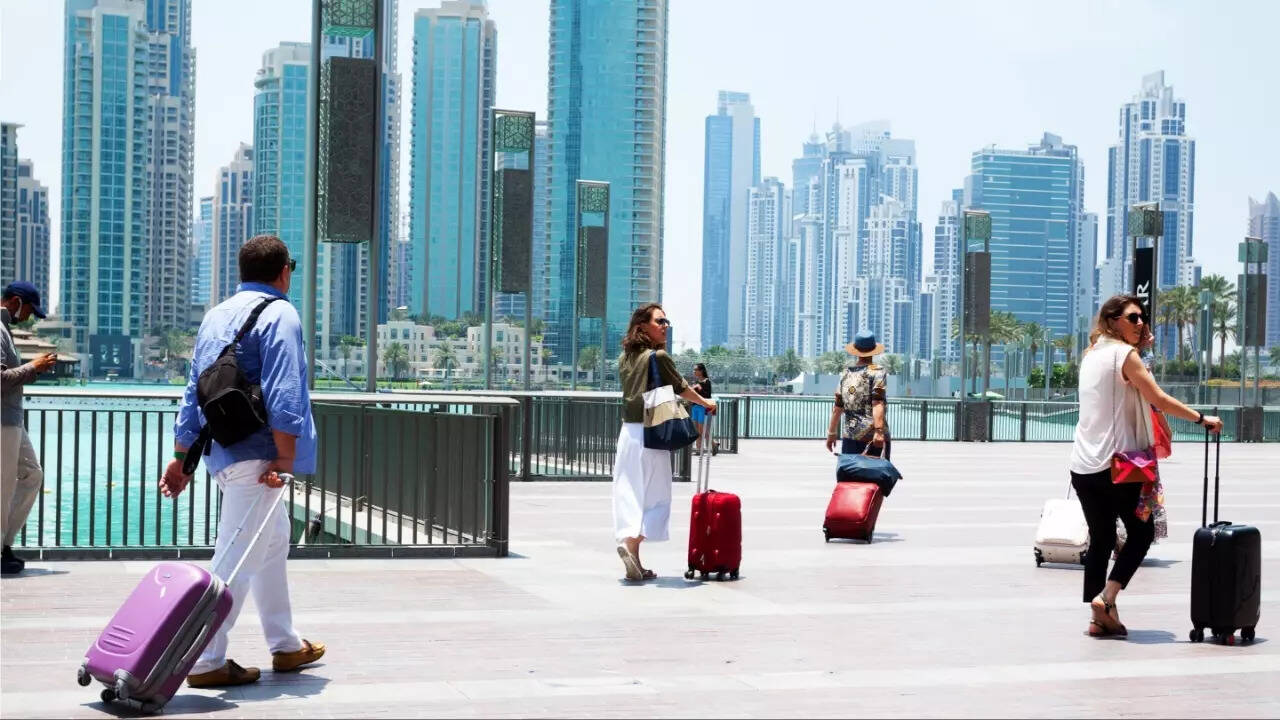
Stranded in Dubai or Abu Dhabi? UAE lifts overstay penalties for tourists affected by conflict between Iran, US, Israel
Travel agents, tourism experts and the expat community generally welcomed the decision, calling it a “practical, compassionate and necessary” policy. Many affected travelers took to social media to express relief and gratitude, sharing stories of extended stays and logistical challenges before exemptions were announced. International embassies and consulates in the UAE have also issued information updates to encourage their nationals to take advantage of exemptions where applicable and to coordinate documentation guidance with immigration authorities.While the exemption directly affects travelers in the UAE, it also has a wider impact on global travel confidence. At a time when flight disruptions have affected tens of thousands of travelers around the world and global aviation networks remain unstable, such policies can alleviate uncertainty and reaffirm trust in the international travel system. Countries with major transportation hubs such as the UAE play a vital role in global mobility, and policies that take travelers’ realities into account can influence tourism and business travel trends long after the crisis has passed.The UAE’s Federal Authority for Identity and Citizenship (ICA) has waived overstay fines for travelers stranded due to flight cancellations and airspace closures due to regional tensions. Exemptions include visitors, visitors and residents whose visas have expired because they are unable to leave the UAE. Passengers must provide evidence that they are unable to travel due to flight disruptions. The move eases financial and bureaucratic stress for thousands of travelers around the world. The UAE’s policy reflects a humanitarian approach to travel enforcement during crises.