
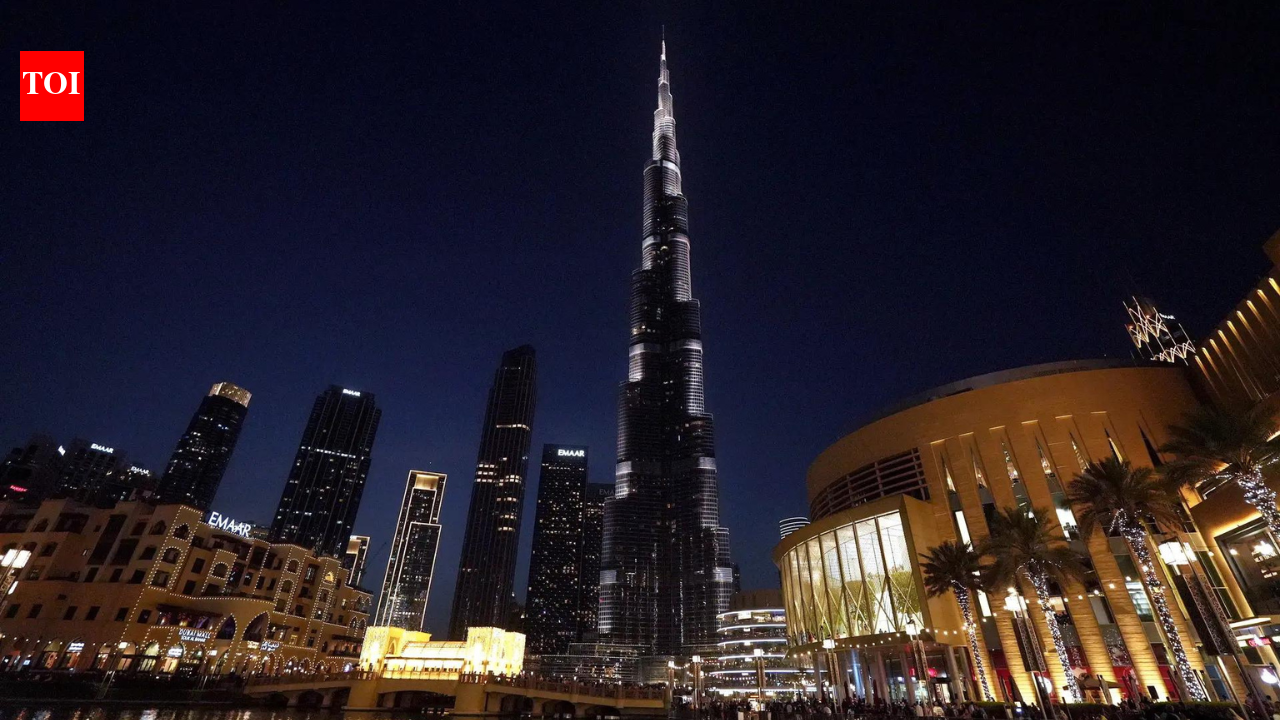
Amid the unrelenting turmoil of the Middle East, Dubai has always been a glittering haven in the Gulf—a dazzling center of glamor, grandeur, towering skyscrapers and a skyline that cuts through the clouds. But the latest shock raises a stark question: Is the Pearl of the Bay really safe?The city, which attracts millions of tourists each year, is now on high alert, hit by retaliatory Iranian missile and drone attacks after a joint U.S.-Israeli strike killed Supreme Leader Ayatollah Ali Khamenei.Over the decades, Dubai has established itself as a financial powerhouse in the Middle East, with a dazzling skyline, luxurious lifestyle and an air of impenetrable security. But now its skies look dangerously exposed to a violent and aggressive Iranian regime.Dubai’s charm extends far beyond its skyscrapers and futuristic skyline. Tax-free wages, seamless business facilities and pledges of ironclad stability have led to the belief that turmoil in the Middle East or the Gulf will never puncture its bubble.On Saturday, that perception changed. The Iranian attacks entered Dubai airspace, targeted the world’s busiest airport for international passengers and even targeted the city’s iconic Burj Al Arab hotel, shattering the city’s long-held feeling of impregnability.
UAE President Mohammed bin Zayed Al Nahyan initially called for calm, urging Tehran to “return to its senses” and reminding Iran’s leaders that “your war is not with your neighbours”. While Tehran may have calculated its response against the United States and Israel, it continues its military offensive against the UAE’s major cities, including the capital Abu Dhabi, financial center Dubai and nearby Sharjah, and is not limited to strikes against Israel or U.S. military bases in the Gulf.The escalating situation in the region has become a major concern for millions of residents, including nearly 10 million Indians living in the Gulf region.
Psychological impact and investor concerns
The Iranian attack not only caused material damage but also struck at the psychological foundation of the city. The city has spent four decades building a reputation as one of the world’s most reliable places to do business in a region known for instability.As a close ally of the United States, UAE authorities moved quickly to contain the damage to confidence and the real impact. The UAE National Emergency, Crisis and Disaster Management Authority said the situation remains under control. For investors and residents who have seen their landmarks hit by missiles and hoarded supplies, the guarantees are noteworthy, but whether they are enough is another question.“The dangers facing Dubai’s economic model cannot be overstated,” Jim Krane, a researcher at Rice University’s Baker Institute, told Reuters. “The physical injuries may be minor, and so far most of the pain is psychological. But Dubai’s status as a safe haven for expats and their businesses is increasingly being called into question. The longer the war drags on, the stronger the push to find alternative locations. Dubai needs to end this war now.” International capital is highly mobile. “Reflecting the pressure, UAE stocks were closed on Monday and Tuesday. Technical disruptions following a hit to Amazon’s cloud computing facilities have affected some banking operations. Tens of thousands of people remain trapped as airspace is largely closed.Sunny weather, modern infrastructure and zero income tax have attracted hedge funds, expatriates and influencers, earning Dubai and Abu Dhabi the nickname “Switzerland of the Middle East”. But now they are counting the number of interceptors they have left to defend against an Iranian missile attack. The UAE’s image as a safe haven is crumbling.
Airport, flight and Gulf infrastructure disruptions
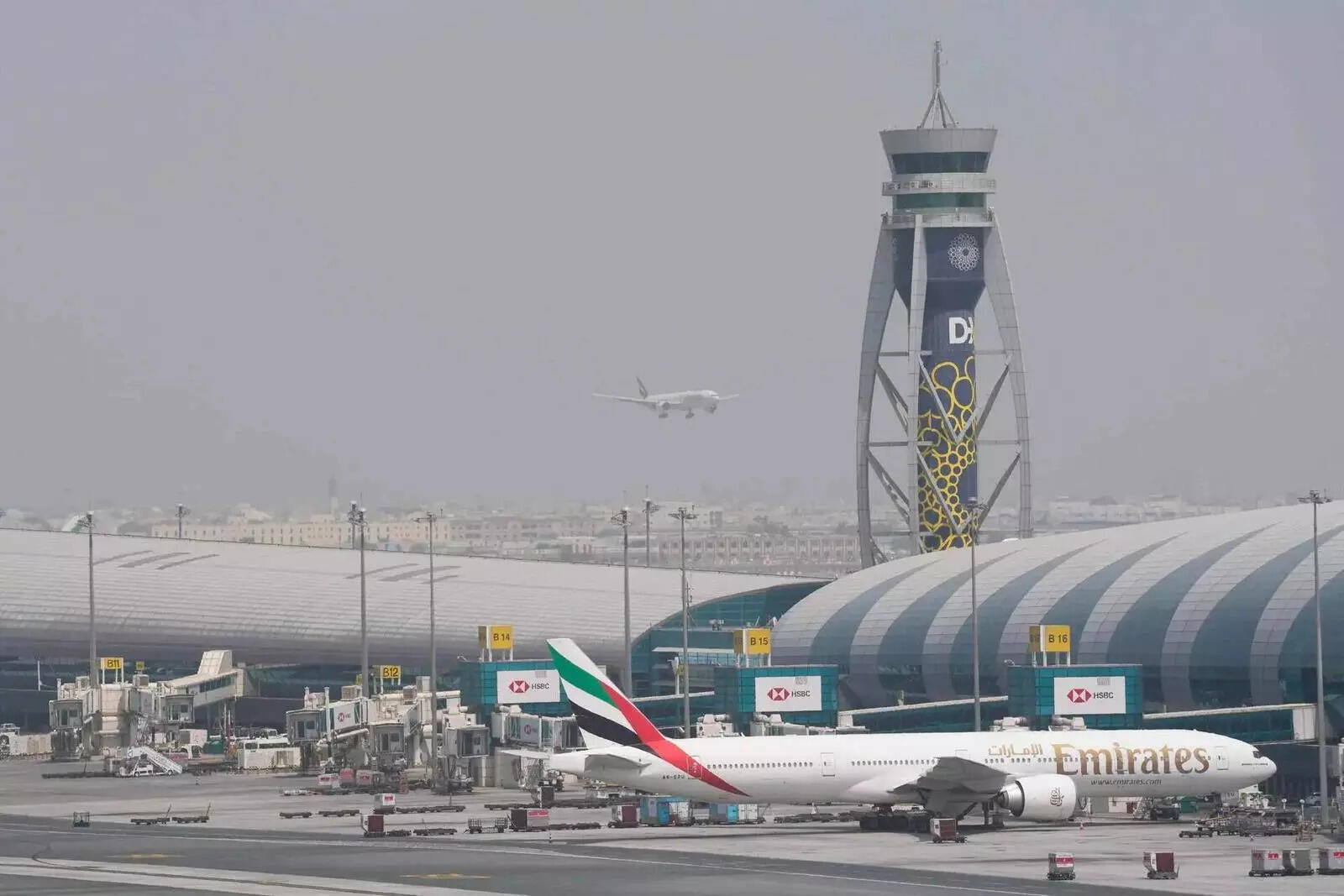
Dubai’s financial center and tourist attractions have been rocked by fires and missile fragments since the weekend after defense systems intercepted 165 ballistic missiles, two cruise missiles and 541 drones from Iran, Bloomberg reported. Supermarkets were packed with panic buyers and Dubai International Airport, the world’s busiest tourist hub, was forced to close.
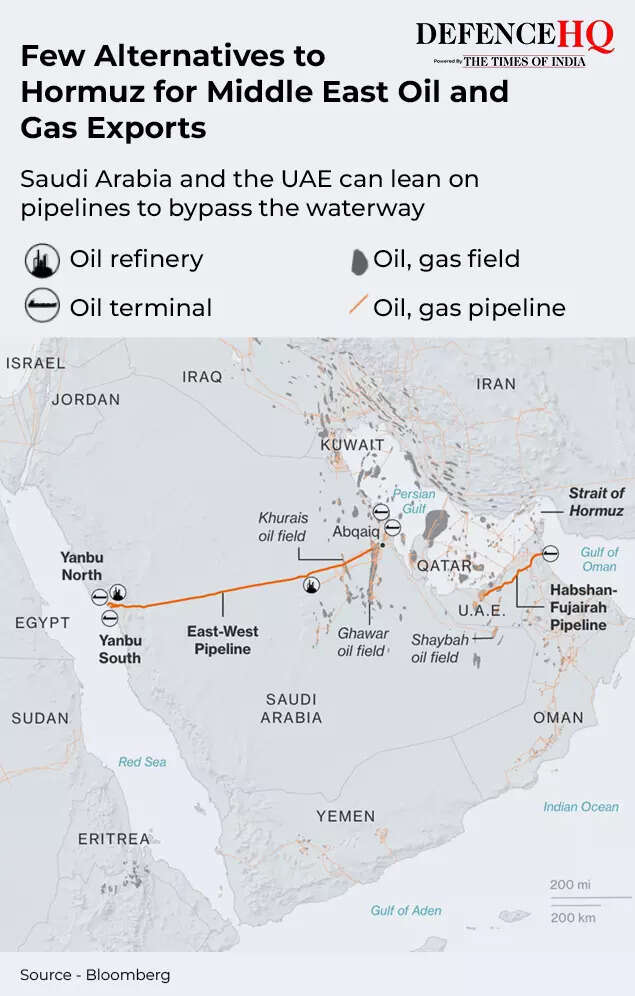
The Strait of Hormuz, a vital trade and oil route that the UAE and other Gulf states rely on, is effectively closed. Despite Dubai’s proximity to Iran, the risk of war appears to be underestimated, as shown by the continued influx of wealthy residents and high housing prices.The UAE has faced missile threats before, but this is a new level of danger. As a U.S.-Israeli conflict with Iran looms, Gulf monarchies continue to grapple with external threats and public reaction despite their large defense budgets and hostility toward Iran.
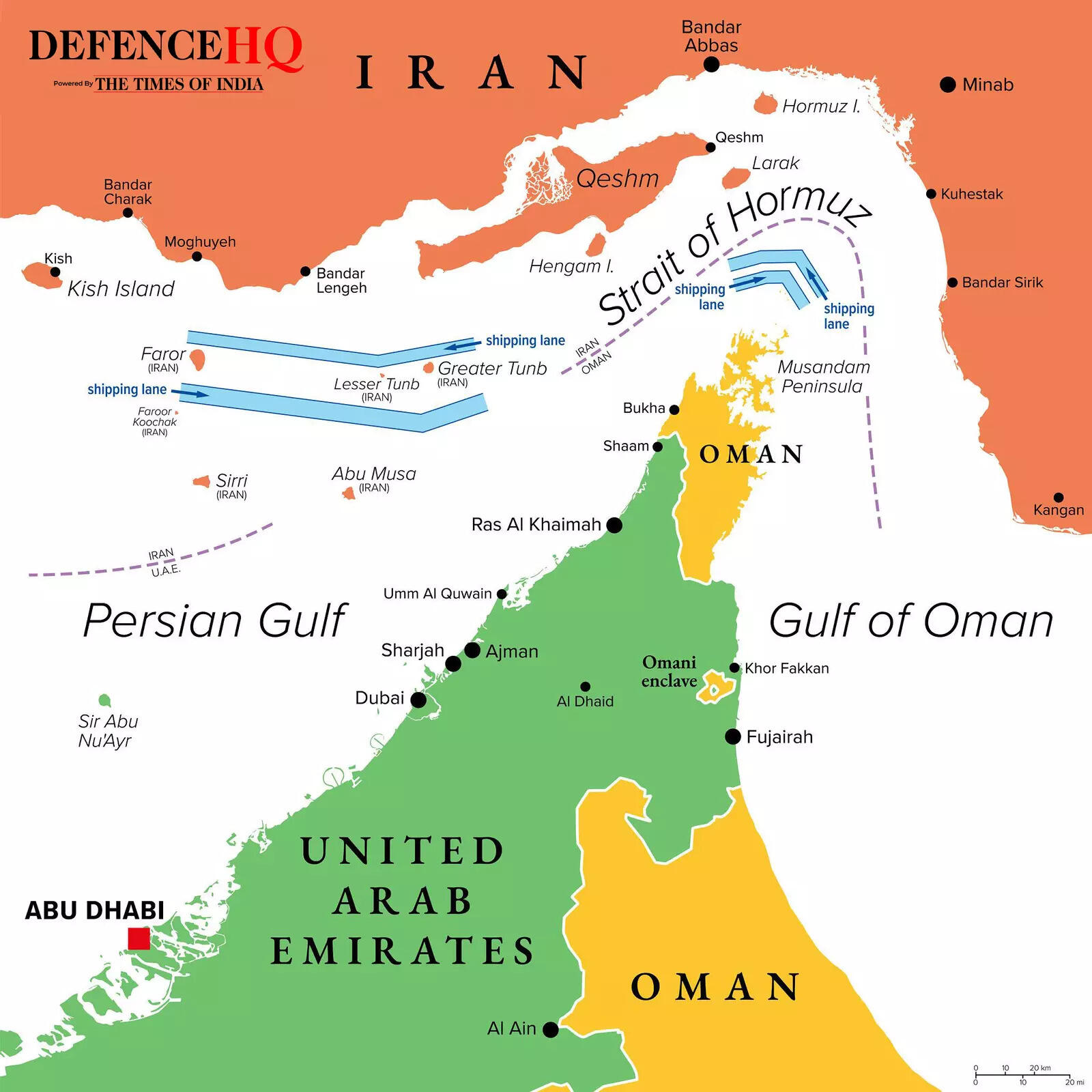
Critical infrastructure including desalination plants, shipping lines and data centers are now in real danger. The “stability first” model promoted by Gulf leaders is under serious pressure.Many Dubai residents have been driving to Oman or Saudi Arabia to get flights out of the region. Airports in Dubai and Abu Dhabi, which have been closed since Saturday, began cautiously reopening late Monday with some repatriation flights. Qatar and other Gulf airports remain largely closed after Israeli and U.S. attacks on Iran triggered retaliation from Iran. More than 11,000 flights have been canceled since Saturday, affecting more than 1 million passengers, and airline stocks including British Airways, Lufthansa and Air France-KLM have fallen sharply.
How Dubai builds its brand
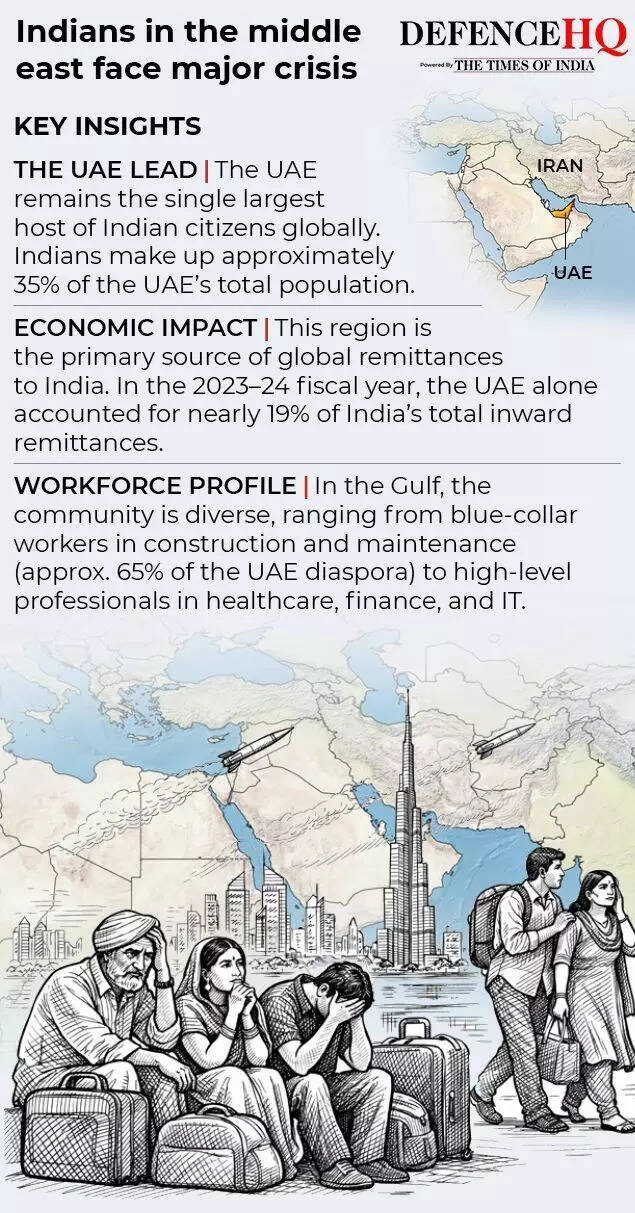
Dubai’s rise from a small pearling and fishing port to a global financial center took decades. The establishment of Emirates Airline in 1985, the opening of the Burj Al Arab hotel in 1999 and the laws allowing foreigners to own property in the early 2000s were important milestones.Today, Dubai’s economy relies mainly on the non-oil sector, with oil accounting for less than 2% of GDP. Trade, tourism, real estate and financial services have replaced oil as the main driving force, while Abu Dhabi, which holds more than 90% of the UAE’s oil reserves, remains more dependent on oil.The city’s success is built in part on the instability of other areas. As civil wars, uprisings and crises unfolded in the region, new residents and capital poured into Dubai. The population of the UAE has grown from 1 million in 1980 to 11 million in 2024, of which Indians account for approximately 35%. Dubai continues to attract wealthy residents, with more than 9,800 millionaires moving to the city last year, more than any other country, according to Henley & Partners.Launched in 2004, the Dubai International Financial Center (DIFC) is home to more than 290 banks, 102 hedge funds, 500 wealth management companies and 1,289 family-related entities.
What changed on Saturday
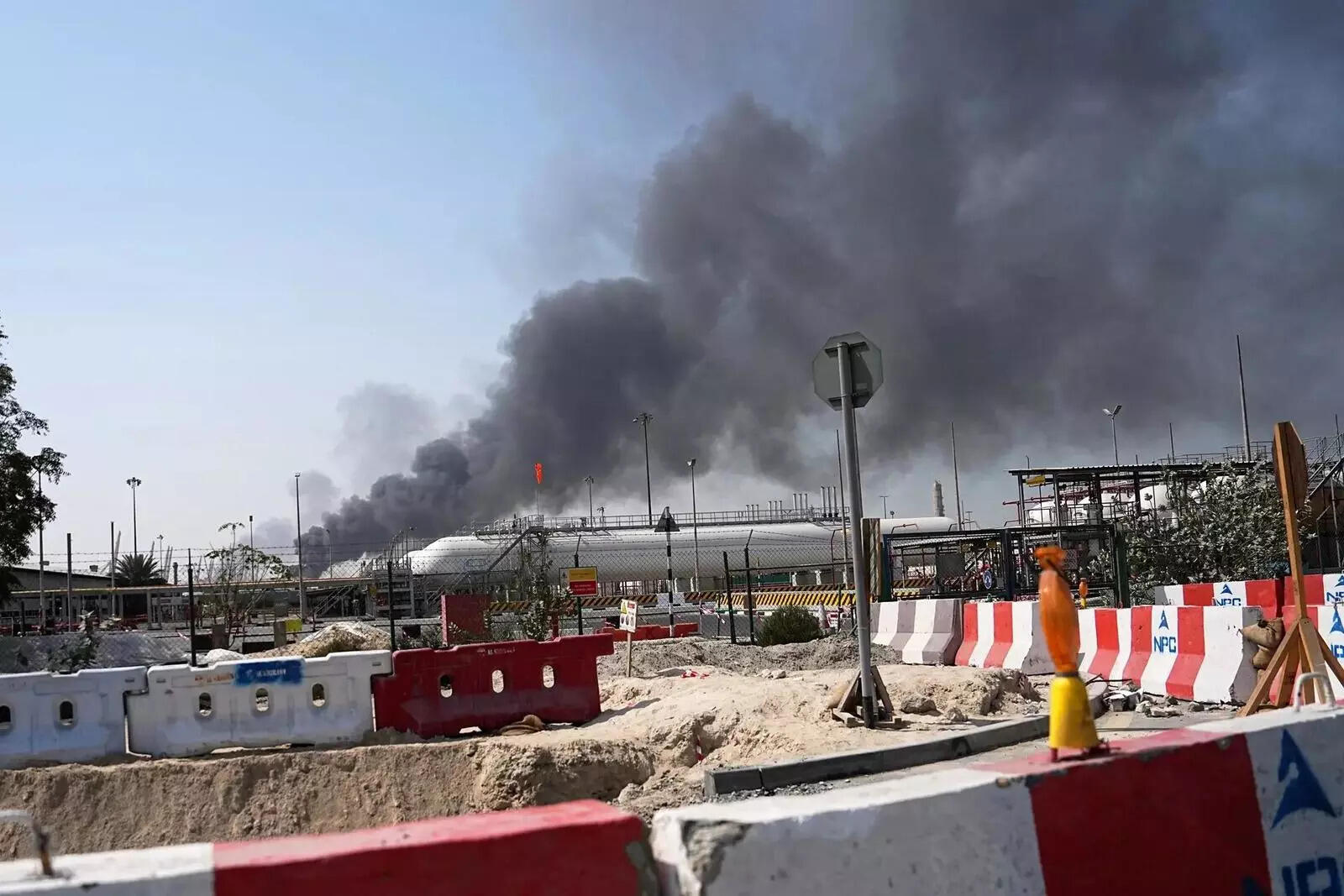
Vulnerabilities have always existed. With the Strait of Hormuz close to Dubai, Iran has the motivation and ability to destabilize Gulf commerce.Over the weekend, Dubai International Airport was attacked, a berth at Jebel Ali Port caught fire and the Burj Al Arab hotel was damaged by interceptor shrapnel. According to the UAE Ministry of Defense, three people were killed and 58 injured.
“People are scared of what’s going on. This is the first time they’ve had to hide underground. “Dubai Airport, one of the largest airports in the world, had to close for a few days,” said Nabil Milali, a multi-asset portfolio manager at Edmond de Rothschild Asset Management, who last week reduced exposure to global equities in preparation for a possible attack on Iran.“We have a 70% chance that the geopolitical risk premium in the region will be maintained over the long term.”Some companies are already planning to cut jobs, halt financing and re-evaluate their operations in Dubai. Private banks may reconsider serving local clients as demand for gold surges.“Historically, markets like the UAE have shown resilience during crises, including COVID-19, and have been supported by strong policy responses and governance,” said Madhur Kakkar, founder and CEO of Elevate Financial Services. “At this stage, it seems unlikely that institutional capital will undergo a broad structural reallocation from the UAE or the wider Gulf region unless tensions escalate significantly or persist for an extended period.“William Jackson, chief emerging markets economist at Capital Economics, said, “This is indeed a considerable change in perception. Gulf economies are generally considered immune to Iranian retaliation. I think that did change over the weekend. The impact will depend on how long the conflict lasts, but it is a considerable challenge, especially for diversification efforts in the region.”
Nearly 10 million Indians are at risk
The nearly 10 million Indians living in the Middle East are at greater risk as tensions rise with U.S. and Israeli military operations against Iran and Tehran’s retaliation.
Prime Minister Modi called the situation in West Asia “a matter of grave concern” and stressed India’s support for resolving disputes through dialogue and diplomacy.
India supports dialogue and diplomacy in resolving all conflicts.
Prime Minister Modi
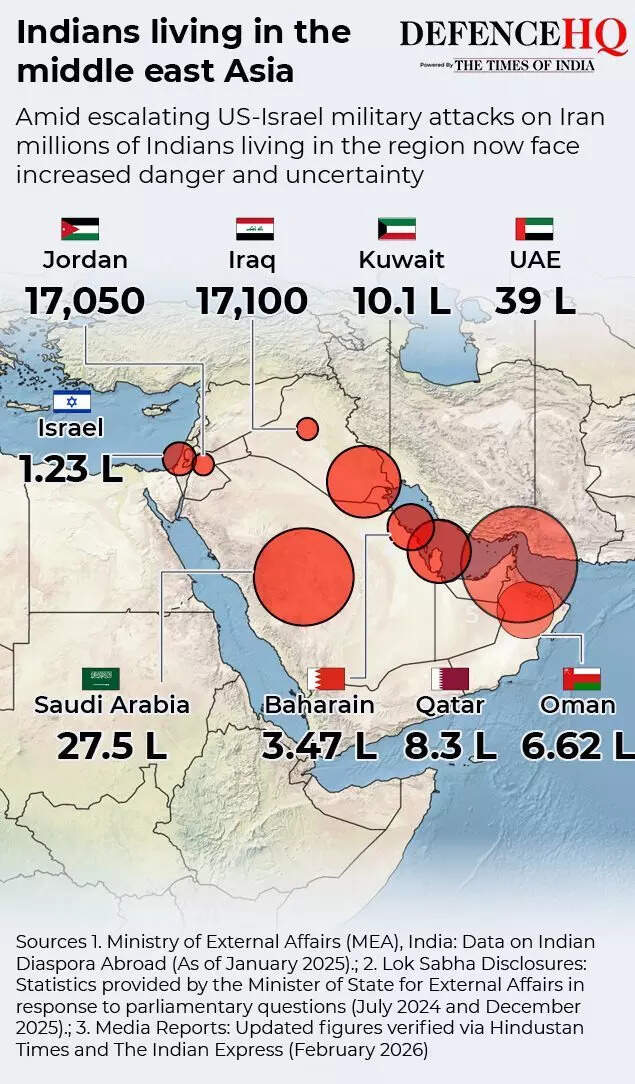
The Gulf region has one of the largest overseas Indian communities: about 3.5 million in the UAE, 2.7 million in Saudi Arabia, 1 million in Kuwait, 800,000 in Qatar, 660,000 in Oman and 350,000 in Bahrain. Smaller communities live in Jordan, Iraq and Israel. In the UAE, Indians make up about 35% of the population and work in the construction, healthcare, finance and IT sectors.