
Five years ago, millions of truck drivers, miners and other American industrial workers were in serious danger of having their pensions slashed, so much so that Congress injected cash. The real rescue came from the U.S. stock market.
Years of double-digit market gains have spurred a significant shift toward multiemployer retirement plans, which are governed by collective bargaining agreements between a group of employers and unions. The funds are in dangerous straits after suffering heavy losses in the 2008-09 financial crisis and a decades-long decline in industries such as mining and manufacturing.
The nation’s 1,176 active multiemployer plans now total $900 billion on hand, according to an analysis by pension consulting firm Milliman. This is their healthiest funding level since 2007, and for most, the money is enough to cover the expected cost of promised pension benefits to workers. There’s even a small surplus to cushion the blow if the recent sell-off continues.
“Equity has helped a lot,” said Michael Scott, executive director of the National Multiemployer Plan Coordinating Council, a group of employers, pension funds, unions and workers.
Other factors also help. Workers and employers are pouring billions more into pension funds than needed. The most volatile programs received tens of billions of dollars from Congress. Some plans also reduced future pension benefits promised to workers. But for most programs, return on investment is the biggest driver of improved health outcomes. Stocks typically make up the largest share of these investments, Milliman said.
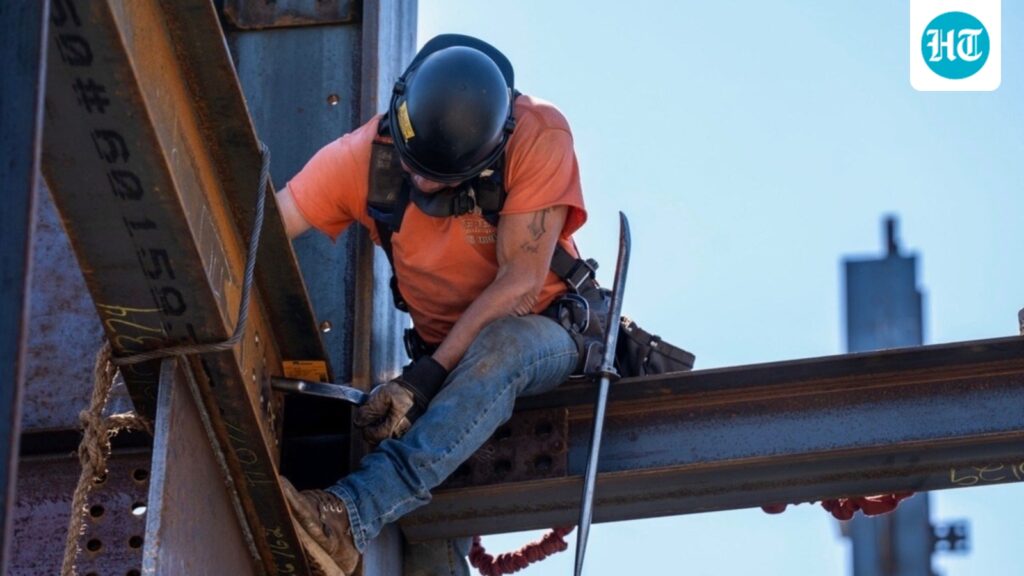
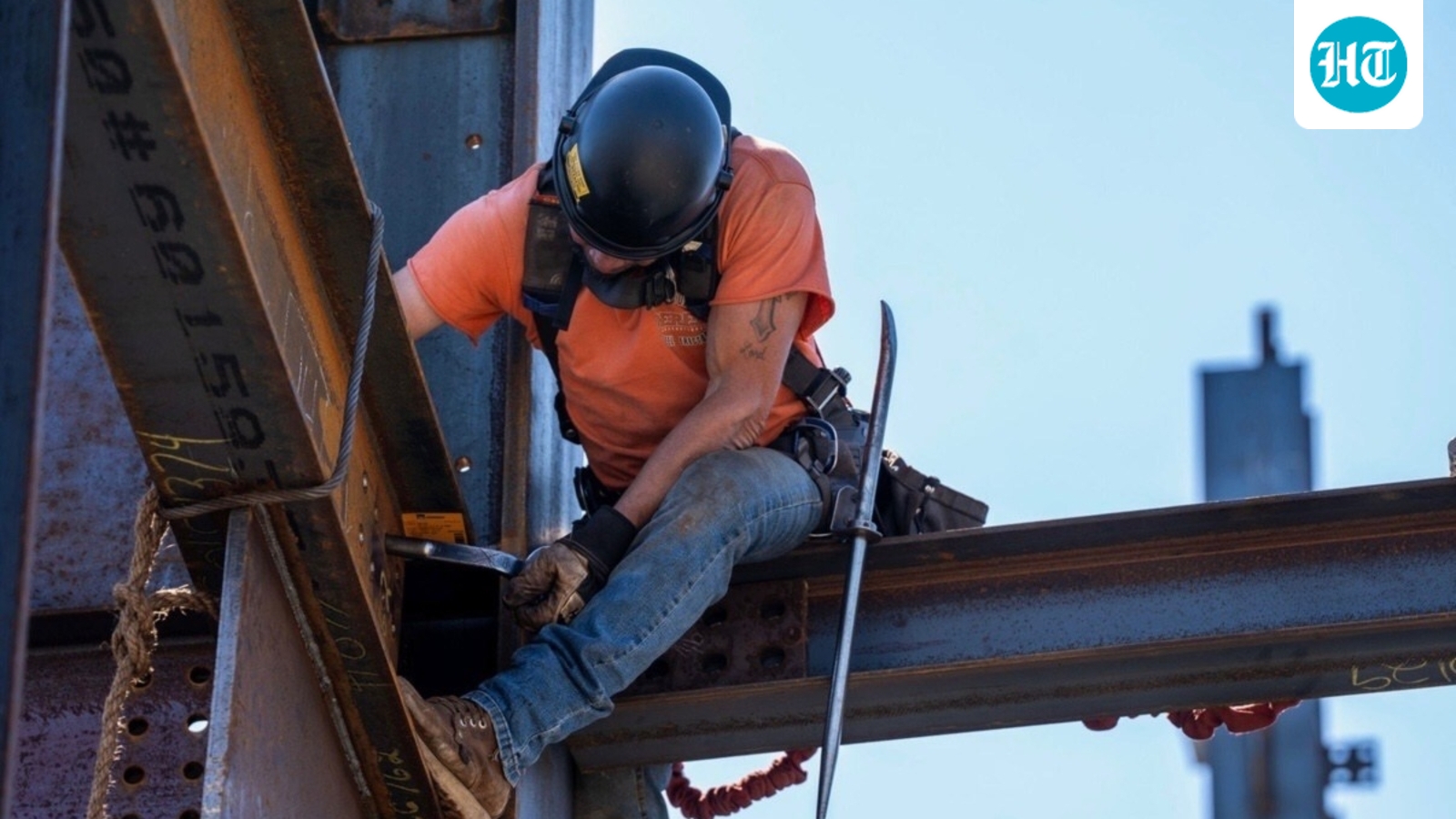
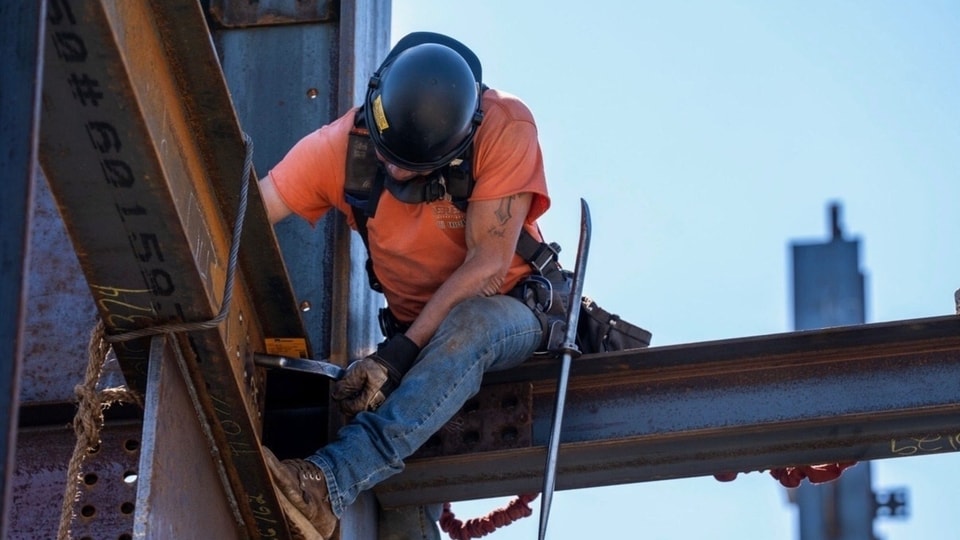
Take the New England Steelworkers District Council Pension Fund, a retirement plan established in 1957 whose nearly 5,000 workers and retirees helped build many of the buildings that make up the Boston skyline. Meketa, the fund’s investment adviser, said a decade ago the plan was only about 70% funded to pay pension benefits.
U.S. stocks make up the largest share of the fund’s portfolio and are among the strongest-performing asset classes. Over the past decade, they have played an important role in restoring the full amount required to pay all future pension benefits. As of September 30, the program had $770 million on hand.
It’s not all down to artificial intelligence or data centers, either. The Steelworkers’ plan has been to reduce holdings of seven major technology stocks that have led the market in recent years. The plan has a value bias, investing in passive index funds that focus on buying quality companies at relatively low costs.
“They’re out there every day earning every dollar they make,” pension trustee Mike Hess said of steelworkers whose retirement benefits are covered by the plan. “When they finally want to retire after 25 to 30 years of hard work, they want to still have their money.”
Hess, 48, who followed an uncle into steel work, donated part of his salary to the fund for more than two decades while installing steel bars, doing decorative work and building structures and exteriors, including Boston’s Millennium Tower.
The stakes are high. Unlike pensions for city, state and public school employees, which enjoy strong court protections and are often replenished with taxpayer money, multiemployer pensions can run out of money. In this case, the Federal Pension Benefit Guaranty Corporation provides backup benefits, but the maximum benefit is $12,870 per year for someone who has worked for 30 years.
Multiemployer pension plans cover occupations from musicians to bricklayers, steelworkers, roofers, carpenters, miners and a range of other laborers. They were once stable, in large part because they served a booming industry. But changes in many of these industries have weakened those plans.
Many have also made some of the same overly optimistic investment forecasts and outdated lifespan calculations that have hampered the growth of public and corporate pensions. Then in 2008, stock losses slashed pension savings. The subsequent recession left many workers jobless and their pension contributions dried up.
A decade later, some pensions are still in trouble, so much so that Congress approved an $80 billion relief package in 2021 that significantly boosted funding levels for 155 plans. Three dozen other programs still face severe shortfalls, totaling 60% of funding, according to Milliman’s analysis. Nina Lantz, one of the authors, said the programs may not have been eligible for aid during the designated time period, or may have been funded but were still awaiting receipt at the time of the study.
In 2008, steelworkers in Dorchester, Mass., saw their pensions reduced by 26 percent, a devastating blow. As the economy slumped, construction work also dried up, meaning pension payments exceeded earnings for several years. Typically, a portion of each union member’s salary for each hour of work goes toward pensions.
But unlike 401(k)-style “defined contribution” plans, pension funds pay scheduled benefits even if the market performs poorly. The Steelworkers Fund has been forced to sell stocks and other investments at low levels due to a cash shortage.
“We sold our index funds so we could pay members,” recalled Hess’ fellow trustee Russell Anderson, who recently retired as owner of United Steel Installation Co. in Rockland, Massachusetts.
Hess, who became involved in pension matters in 2016 as the equivalent of a board observer and became a trustee in 2020, made a habit of watching Bloomberg TV in his office in the union hall. He said that over time, he learned not to pay too much attention to the day-to-day fluctuations in the market because he knew the plan was a long-term investment.
The other part of the equation: gaining the trust of workers. For stock market gains to have a real impact, pension funds need more money to invest. Union members have repeatedly agreed to requests from Hess and other trustees to increase the portion of their salaries that goes into pension coffers.
“You try to educate members on why the money is needed,” Hess said. “If you don’t tell them why (the fund) needs to get the dollars, then you don’t get that dollar.”
It took more than a decade for pensions to return to the 85% funding level they had in early 2008. After three consecutive years of double-digit gains, the S&P 500 finally achieved that goal at the end of 2021. The following year, pension funds increased their allocations to public stocks, which meant buying more shares in 2022, when stocks tumbled. The pension invests in U.S., global and emerging equity markets.
“Looking back, it seems easier than it was before,” said Dan Dynan of Meketa, an adviser to clients such as Steelworkers Pension.
Dinant recalled moments like 2022 and the onset of the Covid-19 pandemic, when it would be difficult for worried investors to remain committed to equity allocations.
Steelworkers’ commitment to a strong stock portfolio paid off, with three more consecutive years of double-digit gains for the S&P 500 in 2023, 2024 and 2025, closing a $50 million gap and pushing funding levels this year to over 100%. Recently, the plan has taken steps to protect its stock gains by putting more money into bonds and infrastructure.
“It’s nice to finally see a three-digit number,” Anderson said.
Write to Heather Gilles: heather.gillers@wsj.com with juliet bell Juliet.Chung@wsj.com