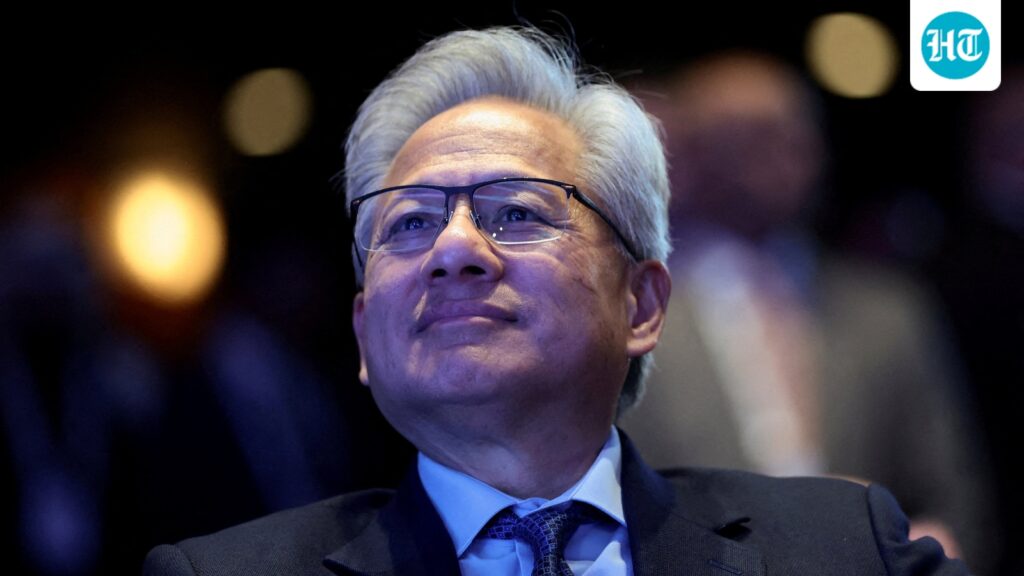

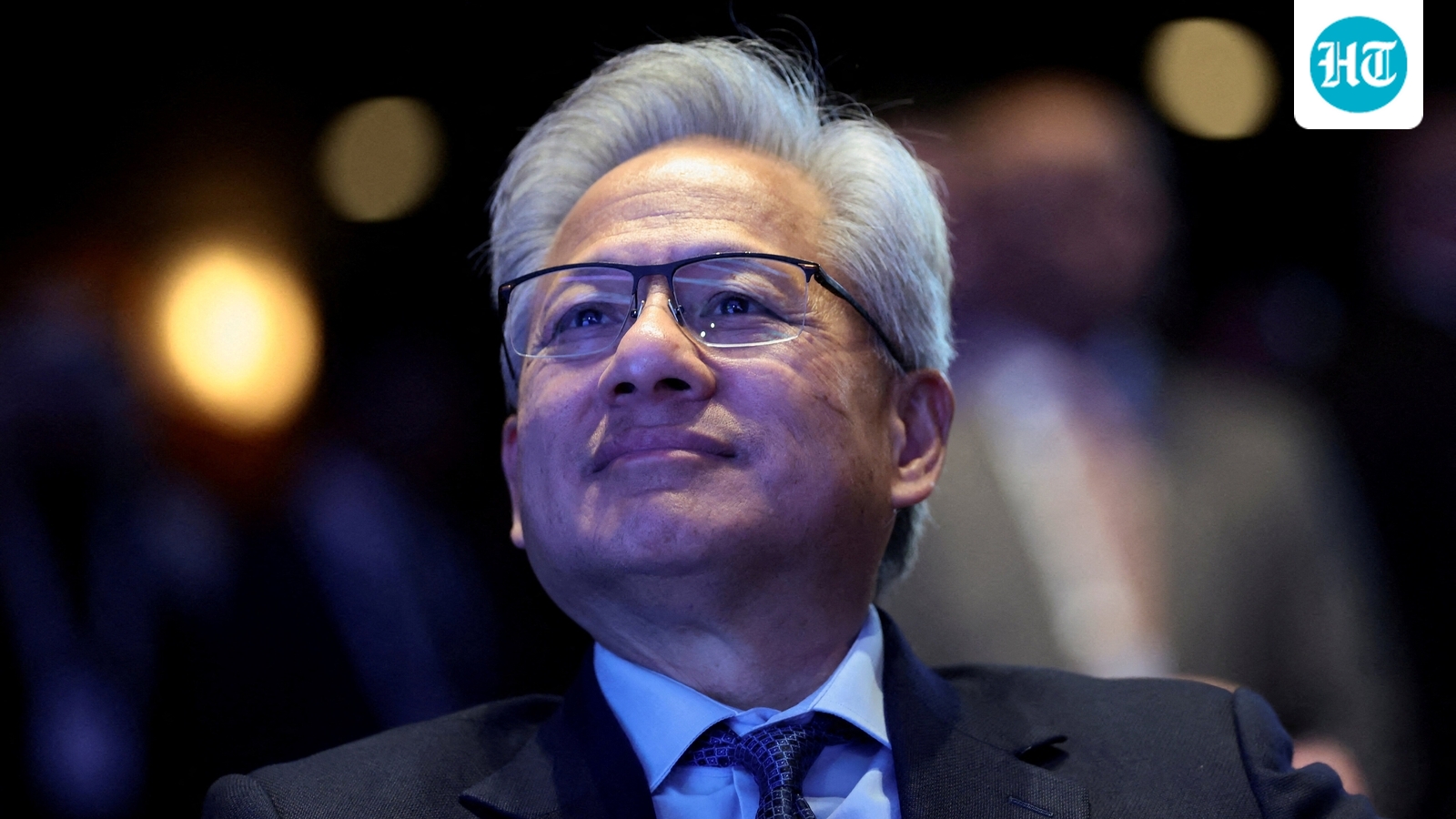
S&P Global Ratings has placed Nvidia’s ‘AA’ credit rating on watch for a possible downgrade. They cited concerns over the chipmaker’s corporate governance and board oversight following the resignation and reinstatement of chief executive Jensen Huang.
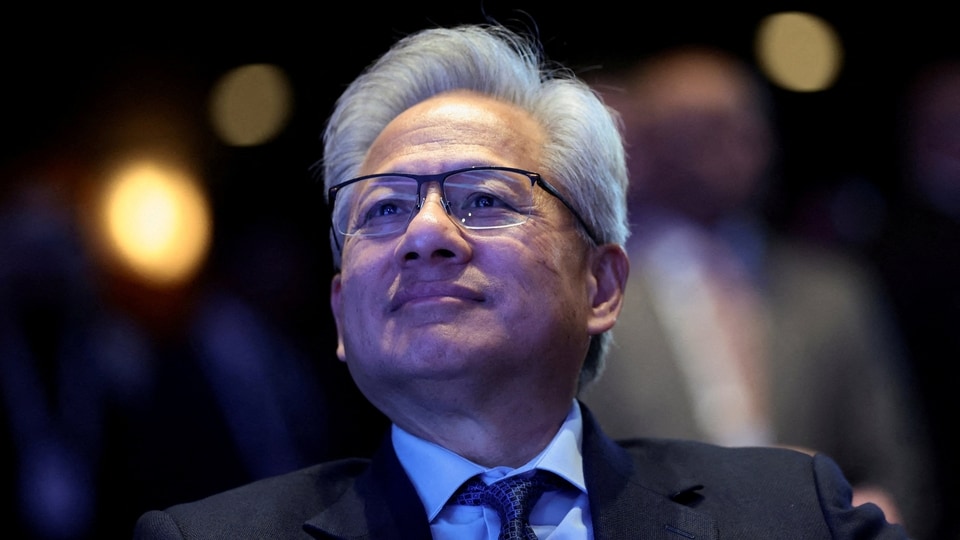
The ratings agency said on Wednesday that the leadership turmoil had exposed weaknesses in the company’s management and raised questions about the independence of its board, as per Reuters.
It said some directors’ long tenure may have compromised their independence and that Nvidia’s governance practices may not have kept pace with its rapid growth.
S&P could lower Nvidia’s rating by one notch within the next 90 days. A more severe downgrade remains possible if ongoing investigations or further disclosures damage the company’s reputation or business prospects, Reuters reported.
Huang’s return raises questions over board independence
Nvidia reinstated Huang as chief executive on Monday, less than two weeks after he resigned following revelations of extramarital relationships involving employees and a Chinese businesswoman alleged by US intelligence to have links to Beijing.
The decision drew criticism from investors, lawmakers and corporate governance specialists. The board’s newly appointed chair had earlier told investors that Huang would not return because his personal conduct was inconsistent with the company’s code of conduct.
In announcing his reinstatement, Nvidia said the decision followed input from senior US government officials and that the board was confident his return posed no national security risk. An independent board committee is continuing to examine reports involving Huang and a suspected foreign intelligence effort.
Also Read: US judge bars Trump administration from enforcing revised birthright citizenship limits
Moody’s retains Nvidia’s rating
While S&P flagged governance risks, Moody’s maintained Nvidia’s Aa1 credit rating and stable outlook. The agency said Huang’s return reduced near-term uncertainty over the company’s leadership and strategic direction, although governance and regulatory concerns remained.
Nvidia shares fell nearly 4% on Wednesday, leaving them down about 38% since October 6, according to Reuters. The S&P warning had a limited immediate impact on the market, while the cost of insuring against a potential Nvidia debt default remained little changed.
AI financing adds to business risks
The governance concerns come as investors examine Nvidia’s role in financing the wider artificial intelligence industry.
The company has provided funding to AI startups, cloud computing firms and data-centre projects that subsequently use much of that capital to purchase Nvidia’s graphics processing units and other chips.
Analysts have warned that these interconnected financing arrangements could leave Nvidia more exposed if spending across the AI sector slows.
S&P’s review will assess the company’s board independence, management oversight and leadership succession as it considers whether the current rating remains appropriate.
(With Reuters inputs)