
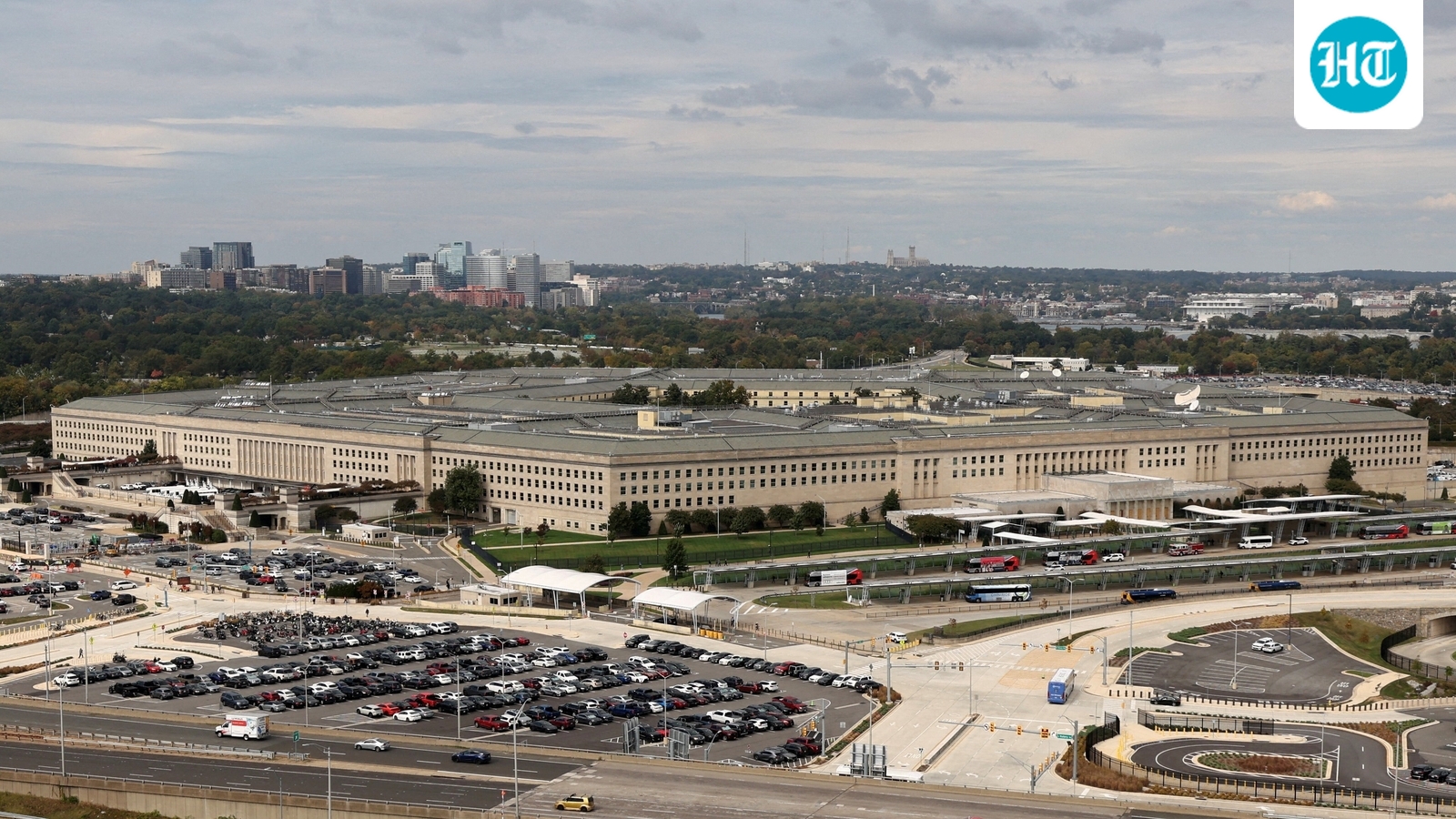
The Pentagon has accused Canada of falling short as a “credible partner” in North American defence. They have cited low military readiness and insufficient long-term defence spending as it imposed new restrictions on official interactions between US and Canadian military personnel.

The restrictions reported by The Washington Post do not affect intelligence sharing or operational cooperation between the two countries. However, they require US military personnel to seek prior Pentagon approval before attending official events with Canadian counterparts, according to an Axios report that cited a previously unreported Pentagon fact sheet.
This comes amid tensions between Washington and Ottawa over defence spending, trade disputes and Canada’s ongoing review of major US weapons purchases, including Lockheed Martin’s F-35 fighter jet programme.
The concerns of Pentagon
According to the Pentagon fact sheet reviewed by Axios, Canada’s military readiness remains below expectations in all three branches despite recent increases in defence spending.
The document said only 41.9% of the Royal Canadian Air Force fleet was serviceable between 2025 and 2026. It attributed the figure to ageing aircraft and personnel shortages. They argued that the situation limits Canada’s ability to contribute meaningfully to continental air defence through the North American Aerospace Defense Command (NORAD).
The Pentagon also said only 53.9% of Canada’s naval fleet was operational during the same period. It noted that just one of Canada’s four ageing Victoria-class submarines is considered seaworthy at any given time. Ottawa is acquiring a new submarine fleet from Germany’s ThyssenKrupp Marine Systems, but officials expect those capabilities to take years to enter service.
On land, the fact sheet said the Canadian Army’s operational readiness stood at 48%, raising concerns about its ability to meet alliance commitments.
Canada’s Department of National Defence acknowledged equipment challenges but said its own assessments found 61% of military units were ready for operations.
In a statement, the department said, “Canada and the United States have a long history of defence cooperation built on a shared commitment to continental defence and protecting our collective security around the globe.”
Also read: Democrats reach largest US House majority since 1992; on course to break Bill Clinton-era record
NATO spending remains a key point of friction
The Pentagon’s criticism reflects a broader disagreement over NATO defence spending that has intensified under President Donald Trump.
According to the Pentagon fact sheet, Canada committed in 2006 to spend two per cent of its gross domestic product on defence but remained at roughly 1.5% until 2025. Ottawa announced earlier this year that it had reached NATO’s two per cent benchmark.
However, NATO leaders have since endorsed a goal of spending 5% of GDP on defence and related security investments by 2035.
US officials argued Canada has not presented a fully funded plan to meet that target.
The Pentagon fact sheet said, “Unfortunately, Canada has yet to make the hard decisions and tradeoffs needed to put it on track to fulfill its NATO Defense Investment Pledge and become a credible partner in the defense of our shared continent. Canada’s defense shortfalls speak for themselves.”