
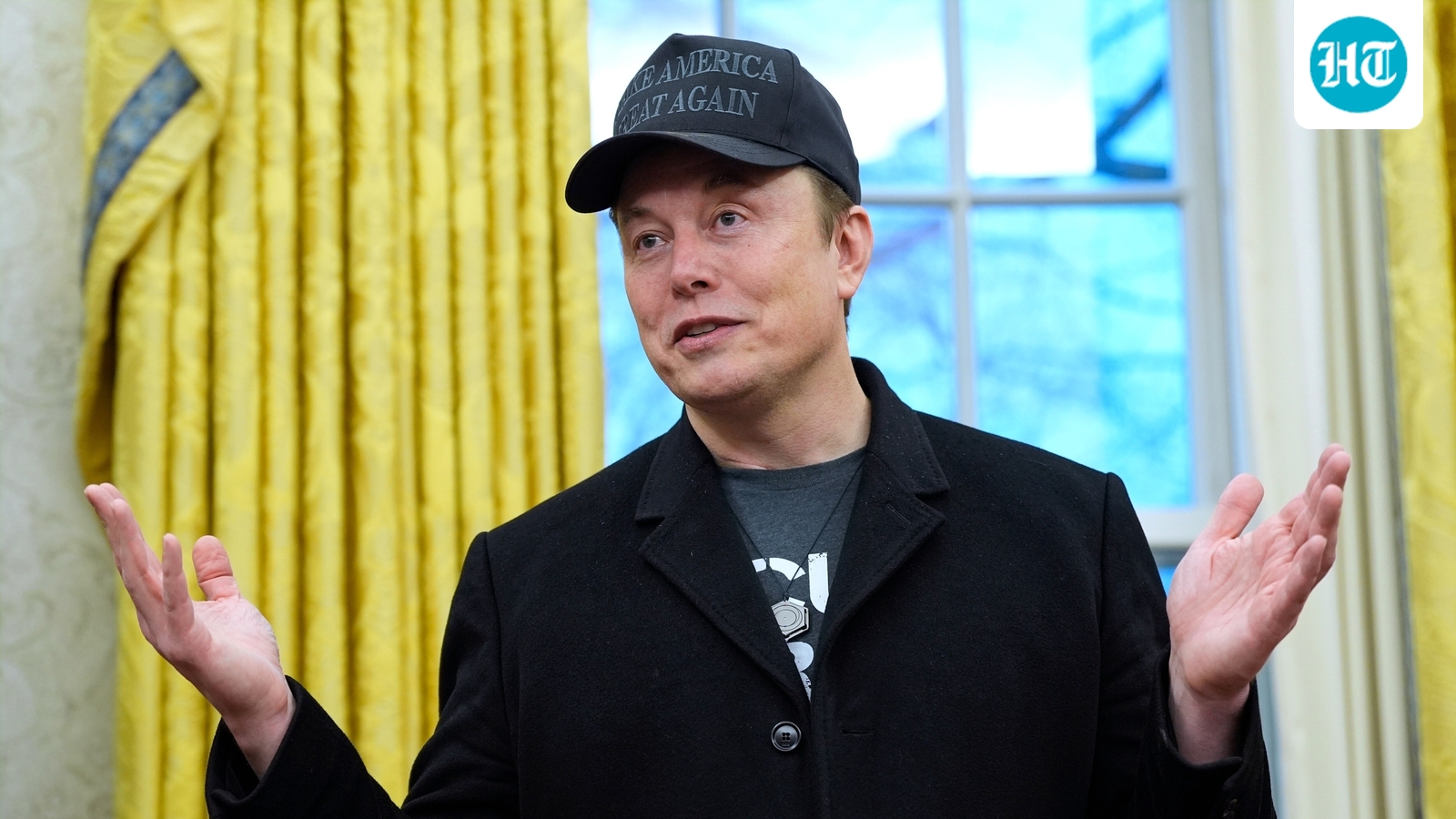
Tesla CEO Elon Musk has warned that the rapid expansion of artificial intelligence infrastructure could trigger a massive cash requirement next year, as companies race to build computing capacity needed to train and run advanced AI models.
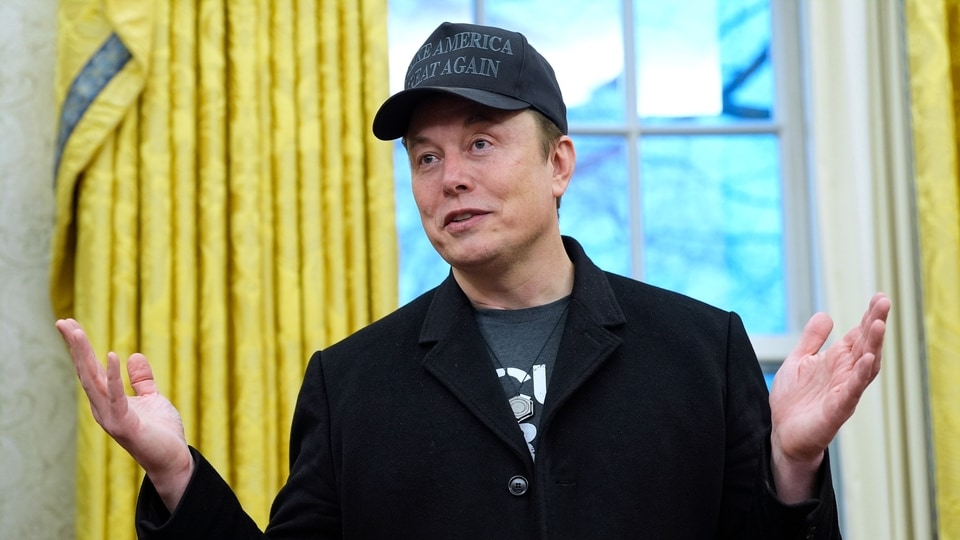
“Getting this amount of compute turned on, cooled and working reliably is incredibly hard,” Musk wrote on X on Sunday while responding to AI researcher François Chollet.
The comments come as technology companies continue spending heavily on artificial intelligence infrastructure. Major cloud providers and AI developers have increased investments in data centres, advanced processors and energy systems to support growing demand for generative AI applications.
Also read: US Senate passes resolution honouring Fiona the Hippo: ‘She was a symbol of resilience’
AI compute race pushes chip demand higher
Musk’s comments followed a post by Chollet, founder of AI company Ndea and creator of the ARC benchmark.
Chollet responded to a market data that showed several semiconductor companies have attracted investor attention because of relatively lower forward price-to-earnings ratios. The list includes semiconductor firms such as SanDisk, Skyworks Solutions and Micron.
“Either you believe the AI buildout is over, that AI was a flash in the pan, and that the need for compute has already peaked… or this a rare buying opportunity,” Chollet wrote.
The semiconductor industry has become central to the AI expansion because advanced models require large numbers of graphics processing units (GPUs), high-bandwidth memory (HBM) and specialised chips.
Nvidia has emerged as the dominant supplier of AI training GPUs. Companies like Microsoft, Google, Amazon and Meta are also spending billions of dollars on data centre capacity equipped with its processors.
Memory chip manufacturers are also benefiting from AI demand. HBM, a high-performance memory technology used alongside AI processors, has become one of the most sought-after components in the industry. “HBM and DRAM production is effectively sold out through 2029, with chip and memory supply projected to stay tight until well into the 2030s,” Chollet wrote.
Chollet argued demand for computing power, however, remains strong because AI model training requirements continue increasing. He pointed to rising GPU demand, tight memory supply and continued investment in AI systems as reasons the sector could maintain momentum.
He wrote, “Inference is profitable with 70-85% margins, and demand is growing geometrically. Each new model generation unlocks new use cases.”
Also read: DHS tells employees to keep holiday conversations about work vague amid security concerns
Musk’s worry about cash crunch
While AI companies continue attracting investment, Musk’s comments highlight concerns about the financial burden behind the technology race.
Building AI infrastructure requires significant upfront spending. Companies must purchase chips, construct data centres, secure electricity supplies and maintain cooling systems before they can generate returns from AI services.
Musk said bringing large-scale computing systems online is a major challenge because companies must secure enough chips, build cooling systems and ensure reliable operations before those investments begin generating revenue.
He added, “Even cumulative industry delays of a few months between paying for compute and getting it reliable enough to generate revenue will mean hundreds of billions of incremental dollars just for working capital. Where will that come from?”