

President Donald Trump showed support for a bipartisan push to cap credit card interest rates at 10%. He said he is willing to work with Democrats to reduce borrowing costs as Americans carry record levels of credit card debt.
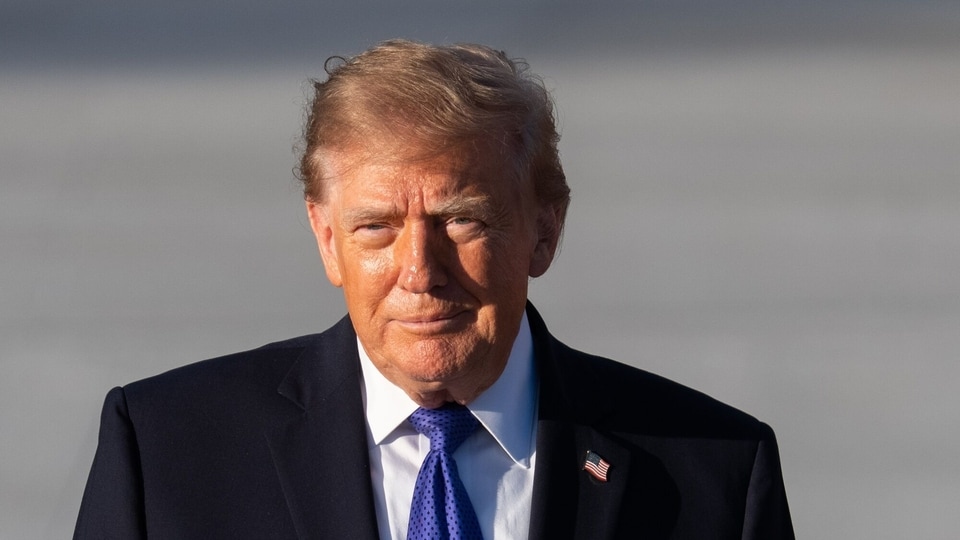
During an interview with Fox News host Kayleigh McEnany on “Saturday in America,” Trump said he would support a one-year cap on credit card interest rates if lawmakers from both parties backed the proposal.
“I would do it,” Trump said when asked whether he could work with Democrats on the measure.
Also read: FBI says its most-wanted drug lord ‘El Chapo Isidro’ was caught by Mexico with US assistance
“The credit card companies, they’re getting too much.”
Trump acknowledged that critics could argue a government-imposed cap conflicts with free-market principles. However, he also said consumers should not face unreasonable borrowing costs.
He said, “I know that some people would say it’s not free enterprise, but what’s free enterprise when you’re sitting home and you get a bill that some guy set up in an office on Park Avenue and they said, ‘let’s charge a fee that’s too high.”
He added, “So I’m all for that.”
The comments revive a proposal Trump first raised in January, when he called for a temporary 10% credit card interest rate limit. The issue could gain more attention when Democrats take control of Congress in January.
“The credit card companies, they’re getting too much, the fees are too high and the interests are too high,” Trump added.
Also read: DHS tells employees to keep holiday conversations about work vague amid security concerns
Record credit card debt fuels rate cap calls
Credit card balances reached a record $1.29 trillion, according to data from the Federal Reserve Bank of New York.
The figure represents a sharp increase from early 2021, when balances were significantly lower. Rising prices, higher interest rates and increased household borrowing have contributed to growing consumer debt pressures.
Credit card interest rates have also climbed in recent years as the Federal Reserve raised benchmark rates to combat inflation. Many credit card annual percentage rates now exceed 20%. Some borrowers are also facing significantly higher costs depending on their credit profile.
Trump previously argued that Americans were being burdened by rates reaching 20% to 30%. He blamed the Biden administration for allowing borrowing costs to rise. However, credit card rates are largely influenced by broader interest-rate conditions and market factors.
The proposed cap has received support from lawmakers across the political spectrum. Republican Senator Josh Hawley of Missouri, who has introduced legislation seeking limits on credit card interest rates, welcomed Trump’s comments. “The President is right. Let’s pass my bill to cap credit card interest fees,” Hawley wrote on X.
Also read: Elon Musk warns AI boom may face ‘hundreds of billions’ in cash crunch as chip demand soars
Banks warn cap could reduce credit access
The banking industry has pushed back against a 10% interest rate cap.
FOX Business reported that several major banking associations warned earlier this year that a strict cap could force lenders to reduce credit availability, especially for borrowers with lower credit scores who are considered higher risk.
Financial groups argued that lenders use interest rates to account for defaults and operational costs. They said limiting rates could push some consumers toward alternative lenders that charge higher fees.
Republicans and Democrats have often disagreed over government intervention in financial markets, but concerns about household debt have created some common ground.
Trump’s proposal would require approval from Congress before becoming law. The incoming congressional session could determine whether the plan gains momentum