
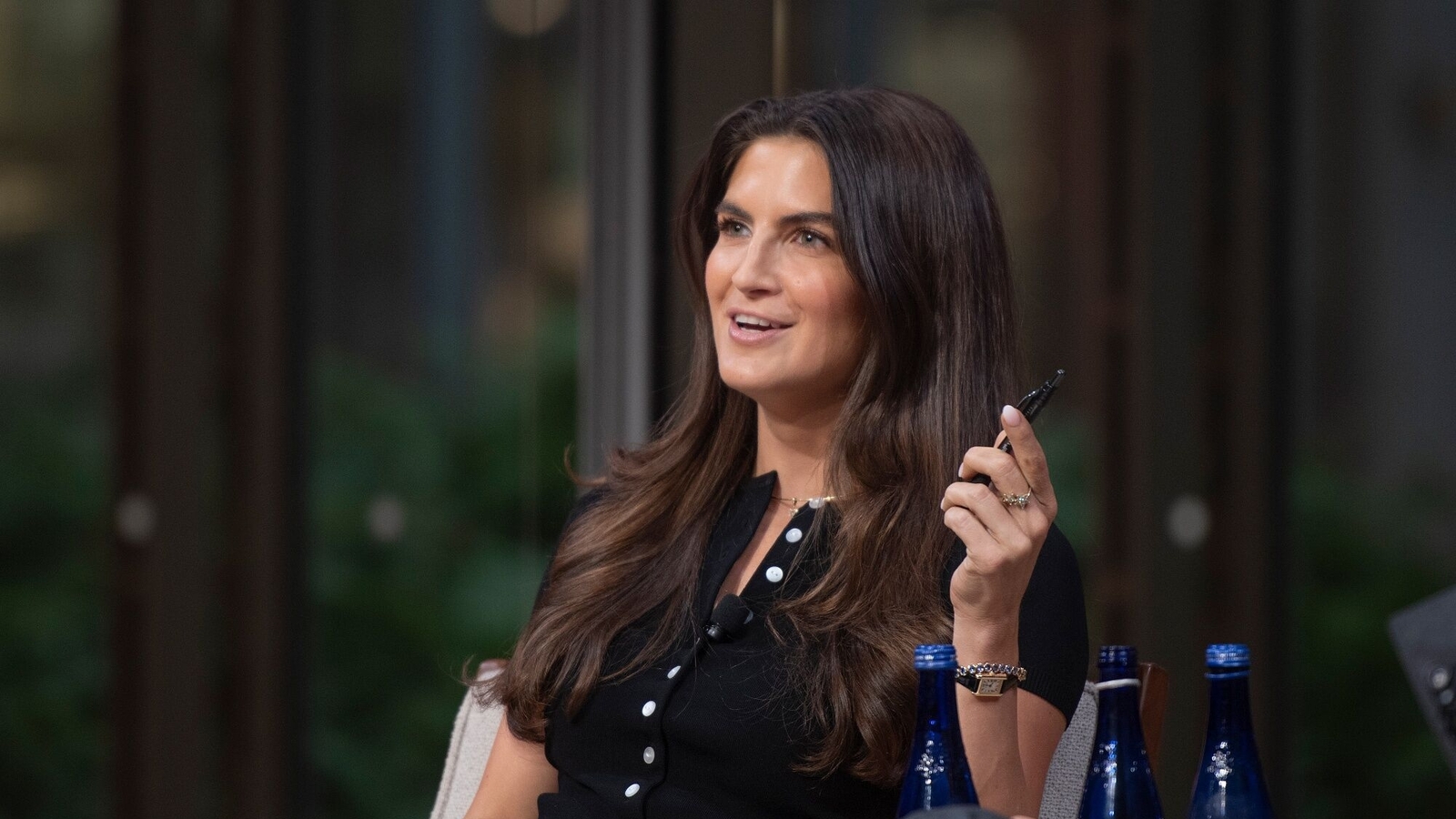
CNN anchor Kaitlan Collins was removed from the guest line-up for the season finale of HBO’s Real Time with Bill Maher, just hours after she was caught making critical remarks about the lighting arrangements at a White House press briefing.
Collins had been advertised as a guest on Friday’s programme. However, in a last-minute change, she was replaced by MS NOW correspondent Jacob Soboroff, despite her appearance having already been promoted.
Collins’ White House duties clashed with TV appearance
The sudden change appears to have coincided with Collins’ journalistic commitments at the White House. Rather than travelling to Los Angeles to join Maher in the studio, the CNN journalist remained on the East Coast, waiting in the White House briefing room for the president’s announcement.
A CNN spokesperson confirmed that her appearance had been postponed, telling the Daily Mail: “We are rescheduling her appearance on Real Time with Bill Maher.”
Neither Collins nor Maher has publicly commented on the last-minute change.
Hot-mic moment captures Collins complaining about lighting
The controversy emerged after Collins was inadvertently recorded discussing the poor lighting conditions inside the White House press briefing room.
The footage was shared on X by conservative influencer Charles R Downs shortly before the president appeared at the podium.
In the recording, Collins can be heard questioning a member of the production crew about the lack of lighting.
“You can point at it. But is it not that bad, there is zero lighting in here? All the lights are off,” she said.
After a brief pause, she continued the conversation, asking: “Does it not look super dark on-camera?”
When the crew member appeared to acknowledge the issue, Collins responded: “Yeah, we do; but okay.”
Following another moment of silence, she added: “Okay, whatever.”
‘It’s our briefing room’: Collins’ remarks spark backlash
Collins then appeared to express frustration over the situation, making a comment that quickly attracted attention online.
“It’s our briefing room. But okay,’ she said, before asking someone behind the camera to ‘send [her] a picture’.”
She then ended the call as a White House aide began distributing briefing materials.
The CNN anchor later took another call, apparently from a colleague in the network’s control room identified as Morgan. During their conversation, she again raised concerns about the lighting.
“I mean, they turned the lights off because the president only wants those,” Collins remarked.
After another pause, she continued: “Well, we don’t have any other option. So…”
As preparations for the briefing continued, Collins reassured the person on the other end of the call: “Morgan, I’ll sit down when he walks out, don’t worry.”
She then ended the conversation, collected a briefing packet and waited for the president to appear on camera.
Conservative critics accuse CNN anchor of entitlement
The recording quickly circulated across social media, attracting criticism from conservative commentators who took issue with Collins’ apparent suggestion that the briefing room belonged to her or the media.
Sharing the footage, Downs challenged the journalist’s wording and questioned the attitude of mainstream media reporters.
“No, Kaitlan, it’s not your briefing room,” he wrote on X. “The room belongs to the American people. The mainstream media acts so entitled.”
The incident has since fuelled online debate about the relationship between journalists and the White House, as well as the expectations placed on reporters covering presidential events.