
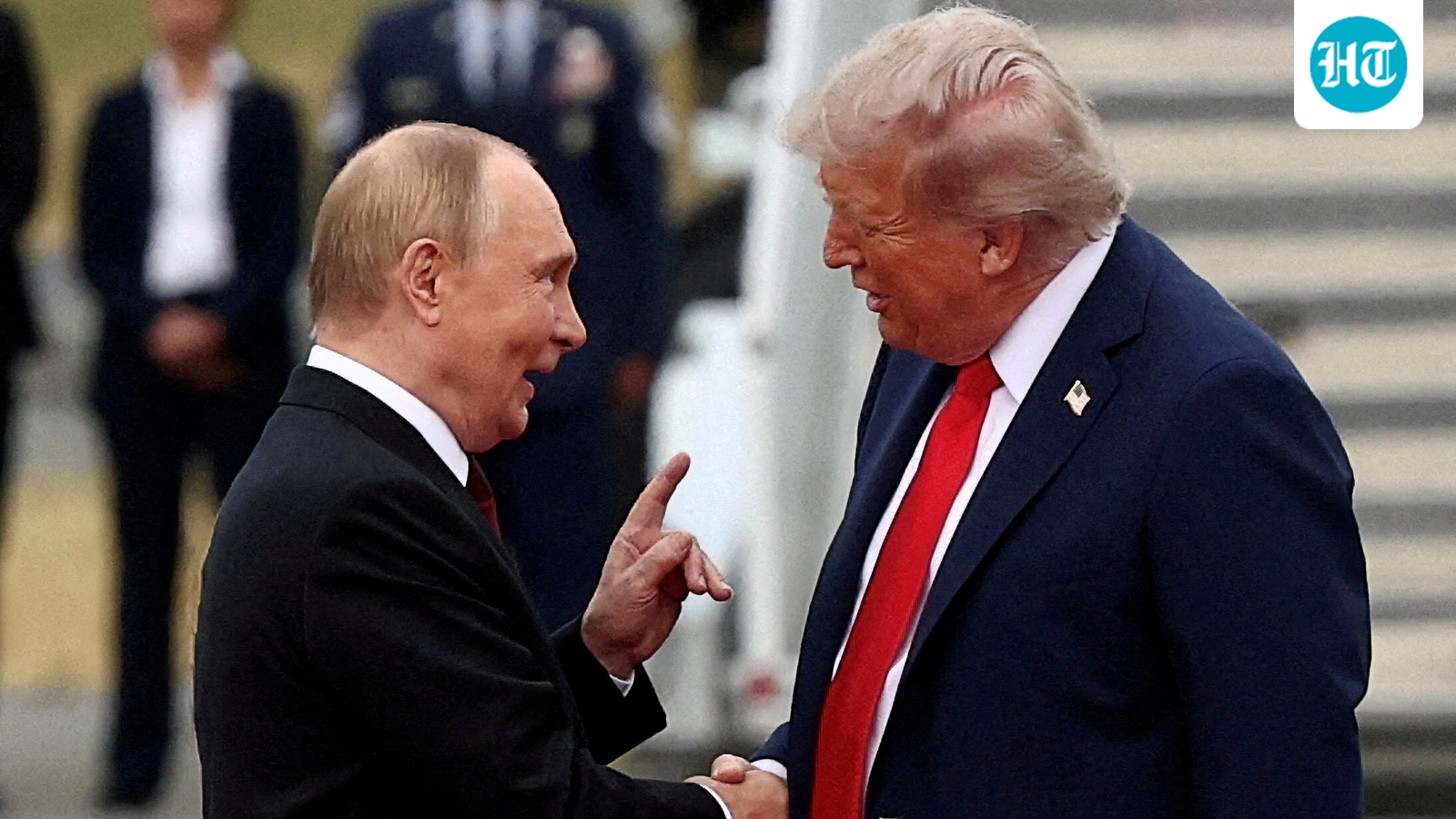
Russia is showing greater openness to granting Ukraine security guarantees similar to NATO protections as part of a potential peace agreement. A US official familiar with ongoing negotiations told the New York Post, the “NATO-like” status is possible provided Kyiv accepts a freeze along current battle lines.
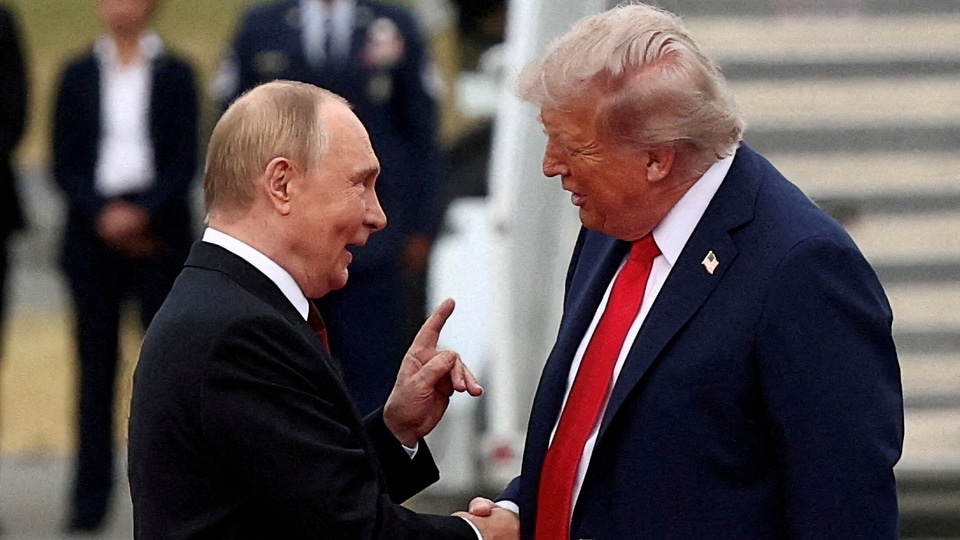
The discussions come as the Trump administration intensifies efforts to broker an end to the nearly five-year conflict. US special envoys Jared Kushner and Steve Witkoff met Ukrainian President Volodymyr Zelensky and leaders from the European “Coalition of the Willing” in Berlin this week. President Donald Trump also joined discussions while returning from China, where he held talks with Chinese President Xi Jinping and Russian President Vladimir Putin.
Any agreement, the US official said, must ensure Ukraine remains “sovereign, secure, prosperous and free.” Washington’s goal is to move Ukraine “as close to NATO as possible without the brand,” according to the official.
Washington’s proposal
The proposal under discussion would give Ukraine security commitments similar to NATO’s collective defence framework without formal alliance membership. Article 5 of the NATO treaty states that an attack on one member is considered an attack on all. It has been invoked only once, following the September 11, 2001, attacks on the United States.
With Putin’s demand to keep the captured territories the official told the New York Post, “Through history, borders have moved. We don’t see any other way to get this done.”
The goal of any peace settlement, the official added, would be to get Ukraine “as close to NATO as possible without the brand.”
Speaking to reporters on Thursday, Kushner said discussions with Moscow had made progress on security guarantees. “I think we’ve gotten the Russians comfortable with that concept where any security guarantee for Ukraine would be based on Article 5,” he said. He added that Russian officials had also expressed a desire to avoid another war after a settlement.
According to the source, Putin is reluctant to end the war because he is concerned about NATO’s ability to launch an offensive. He also stated that before laying down his weapons, the Russian leader wants to know what will happen to post-war Europe.
Also read: ‘A slap in the face’: Report says Pete Hegseth restricted US-Canada defense partnership in ‘secret’ memo
Peace push continues despite fresh attacks
Ukraine recently launched one of its largest drone attacks targeting infrastructure connecting occupied Crimea with mainland Russia. Moscow has since warned of a stronger military response.
Zelensky has consistently maintained that Ukraine requires legally binding security guarantees to prevent future Russian aggression. Kyiv has repeatedly said any settlement must not leave the country vulnerable to renewed attacks.
US official said Washington hopes future security commitments could also be backed by an automatic sanctions mechanism. Under the proposal, sanctions on Russia could be eased if Moscow complies with a peace deal but would automatically return within 24 hours if it violates the agreement.
The official also said Ukraine continues moving closer to eventual European Union membership, provided it completes governance and anti-corruption reforms. International financial institutions, including the World Bank, and investment firm BlackRock have reportedly been involved in planning Ukraine’s long-term economic recovery.
However, significant gaps remain between Moscow and Kyiv on territory, sovereignty and long-term security.
Trump acknowledged the deep personal hostility between Putin and Zelensky and called it a major obstacle to negotiations. “The problem is President Zelensky and President Putin have tremendous hatred, and that’s never easy,” Trump told reporters at the White House.