
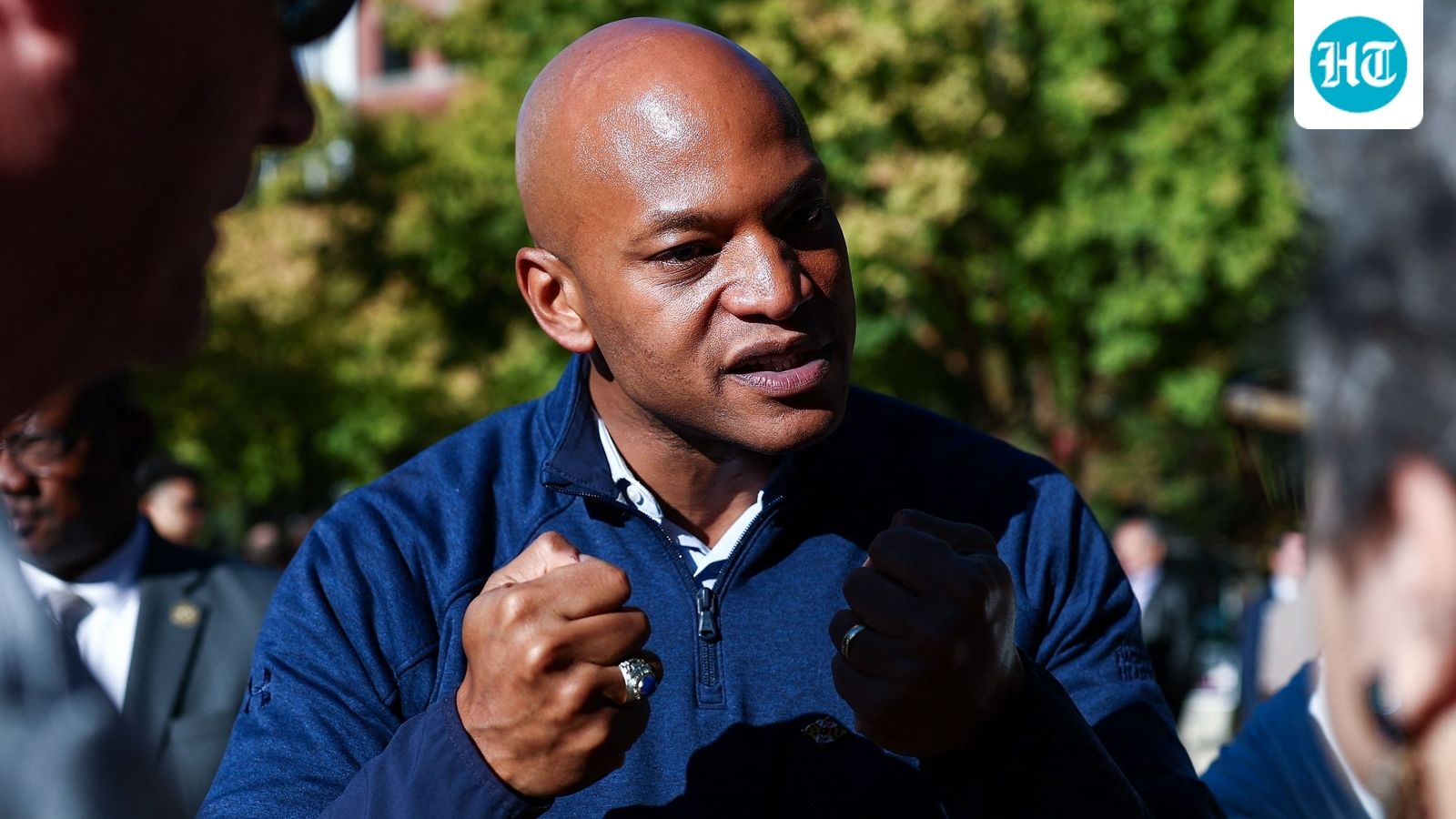
Maryland Governor Wes Moore is facing new scrutiny over his military record after his former Army supervisor disputed Moore’s public claims that he led soldiers into combat in Afghanistan.
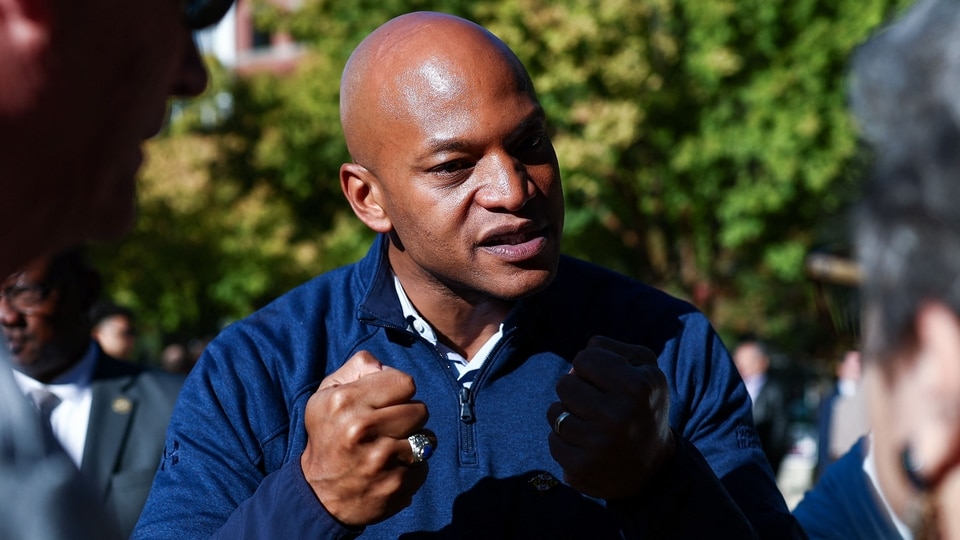
The latest questions were raised after an investigative report was published on Sunday by Spotlight, a joint venture by FOX45 Baltimore, The Baltimore Sun, and WJLA. It included an interview with retired Lt. Col. James “Jamie” Gottschling, who directly supervised Moore during his 2005 deployment.
Gottschling praised Moore’s service but challenged how the Democratic governor has described it publicly.
“He has every reason to be proud of his service,” Gottschling told Spotlight on Maryland. “It’s really the embellishment.” He specifically disputed Moore’s repeated statement that he “led soldiers in combat in Afghanistan.” He further added that Moore neither commanded troops in combat nor carried out direct combat operations.
Moore has previously faced questions about earlier statements regarding his deployment length, combat experience and a Bronze Star that he listed before officially receiving the award.
Former supervisor disputes combat leadership account
According to Spotlight on Maryland, Gottschling served as the brigade fire support coordinator in the 82nd Airborne Division when Moore deployed to Afghanistan between 2005 and 2006.
Gottschling said Moore worked in information operations and coordinated engagements with Afghan officials. He said Moore had no soldiers assigned to him and was not responsible for leading combat missions.
He was never involved in employing any weapon system Gottschling confirmed according to the report. He added that Moore’s trips outside the base did not involve hostile engagements.
Spotlight also reported that Moore did not complete the brigade’s pre-deployment training, made no training parachute jumps and did not receive jump pay. “He’s not a paratrooper,” Gottschling said.
However, Gottschling stressed that Moore performed his assigned duties well and said his criticism concerns Moore’s later public descriptions. “He did a really good job trying to train the Afghans how to kind of sell their own story,” Gottschling said.
He added, “It’s the embellishment of the actions that really just contribute to his narrative, to his story, to his accolades, and it’s self-promotion, it’s self-aggrandizement.”
Army records reviewed by Spotlight show Moore served in Afghanistan from August 15, 2005, to March 14, 2006, with roughly one month of emergency leave. That totals about seven months, shorter than the 10- to 13-month deployment Moore has described in interviews and his memoir.
The records also show Moore received the Combat Action Badge after a rocket attack on Forward Operating Base Salerno on December 9, 2005. The attack caused no reported American casualties.
Also read: Journalists believe Natalie Harp was heard giggling in background when Trump called C-SPAN
Bronze Star controversy resurfaces
The latest reporting has also revived questions surrounding Moore’s Bronze Star.
Moore listed the Bronze Star on a 2006 White House Fellowship application before the Army had approved the award. Moore also accepted an introduction identifying him as a Bronze Star recipient during a Comedy Central appearance.
After the discrepancy surfaced, Moore acknowledged that he had not officially received the medal during his Afghanistan service. “It was an honest mistake, and I regret not correcting it,” Moore said in 2024.
In December 2024, Lt. Gen. Michael Fenzel presented Moore with a Bronze Star for meritorious service after new paperwork was processed. Fenzel described the ceremony as correction of an administrative oversight.
Gottschling later said he was not consulted and would not have supported the recommendation.
Moore has continued to defend his overall military record. In a May 2026 interview with Politico, he said the Army has never questioned his service and criticized political attacks on his record.
In a June interview with The Baltimore Banner, Moore acknowledged inaccuracies in portions of his memoir, The Work. He attributed them to editing mistakes, stress and memory while maintaining that he served in a combat zone and faced real danger.
However, Gottschling disputed that he led activities in a combat zone. He said, “It’s disingenuous to say he led soldiers into combat or did direct action activities in combat zones.”