Iran: Over 700 flights canceled today: UAE, India and global airlines disrupted as US, Israel, Iran war escalates World News

Today, Sunday, March 1, 2026, the global aviation industry is experiencing a wave of massive disruptions as the escalating conflict between the United States, Israel and Iran forces the closure of multiple airspaces. With more than 700 flights canceled and hundreds more diverted, one of the world’s most important air corridors is virtually offline.What started as localized restrictions has expanded into a regional emergency, affecting all major airlines from Dubai’s Emirates to Air India and European giants such as Lufthansa.
Middle East airspace closed
A dramatic escalation in hostilities involving the United States, Israel and Iran today has rocked the global aviation industry, grounding hundreds of flights and forcing airlines to suspend operations at major hubs in the Gulf.Airspace in parts of Iran and adjacent corridors has been closed or declared unsafe. This severely disrupts one of the world’s busiest air corridors connecting Europe, Asia and Africa through the Gulf.According to aviation data cited in the regional report:
- As of early afternoon today (March 1), 716 flights have been cancelled.
- More than 1,800 flights were canceled the day before
- Thousands of passengers stranded or rebooked
- Operations at major transportation hubs such as Dubai International Airport have been partially disrupted
Emirates flights suspended today
At the height of regional tensions, the UAE’s main airline temporarily halted operations to ensure passenger safety.
| airline | Operational update | period | Passenger options |
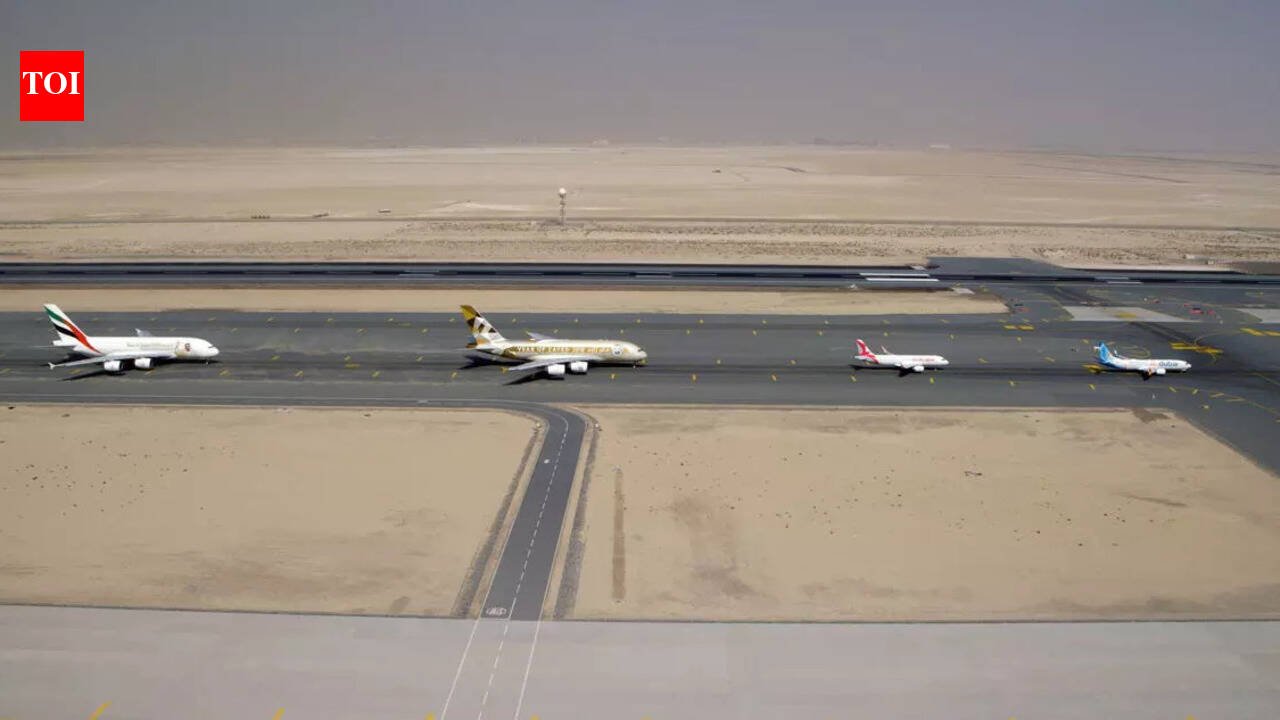
| Emirates Airlines | All flights from Dubai suspended | Until 3pm UAE time | Rebook for free or get a full refund |
| flydubai | All flight operations suspended | Until 3pm UAE time | Rebook and full refund |
| Etihad Airways | Suspension of some flight departures | early operating window | Flexible changes and rebooking |
Flights gradually resumed after 3pm, but schedules remain unstable and rolling delays are possible. Airlines warned further changes may be made based on airspace safety assessments.
Air India cancels international flights
The Indian aviation industry has been particularly hard hit today. India’s Ministry of Civil Aviation has warned that some 444 international flights may be canceled on March 1 due to continued restrictions on airspace in the Middle East and the Gulf. Local airlines such as Air India, IndiGo, Alkasa Air and India Express have extended the suspension of westbound and Middle Eastern flights as a precautionary measure. By late night, airports such as Mumbai’s Chhatrapati Shivaji Maharaj International Airport had recorded nearly 98 flight cancellations, including major long-haul routes to London, New York, Chicago and European cities that usually pass through Gulf airspace.Domestic airports are on operational alert, with some claiming they would not be able to accommodate more diverted planes until early Sunday due to a lack of parking spaces. The cancellations have left passengers stranded and caused one-way fares to skyrocket, with some flights to London on March 1 reportedly costing around 140,000 rupees (about $1,700).
What happened?
Today’s travel chaos doesn’t happen in isolation. These cancellations come against the backdrop of a sharp increase in military hostilities, which began in late February and lasted until 1 March. According to independent media reports, after months of tensions, the United States and Israel conducted joint air strikes on Iranian military infrastructure, including leadership facilities.Iran responded with missile attacks on regional targets including U.S. bases and locations in neighboring Gulf states. This reportedly led to damage to civilian infrastructure such as Dubai International Airport and at least one death in Abu Dhabi. Several countries, including Iran, Israel, Kuwait, Iraq, Bahrain, Qatar and the United Arab Emirates, have closed their airspace to civilian aircraft due to security concerns. The closures effectively closed the main east-west airflow route used by thousands of flights each day, causing widespread aviation disruption that continues to this day.
What must travelers do now?
Travelers flying today or in the coming days must remain proactive and flexible. First, since flight schedules change frequently, passengers should check flight status directly through the airline website or official mobile app before heading to the airport. Arriving at the airport without confirming departure status may result in unnecessary waits.Second, travelers whose reservations have been affected should immediately consider rebooking or refund options. Most airlines are offering fee waivers due to extraordinary circumstances, but seats on alternative flights are limited and fill up quickly. Taking action early increases your chances of getting an earlier replacement flight.Third, passengers with connecting itineraries should contact the airline to confirm the onward flight segment, because if not handled properly, a single cancellation may cause the remaining tickets to be automatically invalidated. The travel insurance provider should also be notified if coverage includes trip interruption, hotel stays, or missed connections.Fourth, as the geopolitical situation remains fluid, those planning new travel in the coming week should consider flexible or refundable fares. Experts recommend avoiding short layovers and choosing direct routes where possible to reduce the risk of cascading disruptions.Finally, travelers are urged to pay close attention to official government advice and airline alerts. Aviation authorities may impose further restrictions at short notice as military tensions continue.
The situation is still evolving
As of the evening of March 1, airlines continued to check operations hourly. While some services have resumed, uncertainty remains high. Aviation officials stressed that safety considerations will determine the pace of normalization. Currently, travelers in the UAE, India and elsewhere face an unstable travel environment caused not by weather or technical glitches, but by geopolitical instability at the heart of one of the world’s busiest air corridors.