
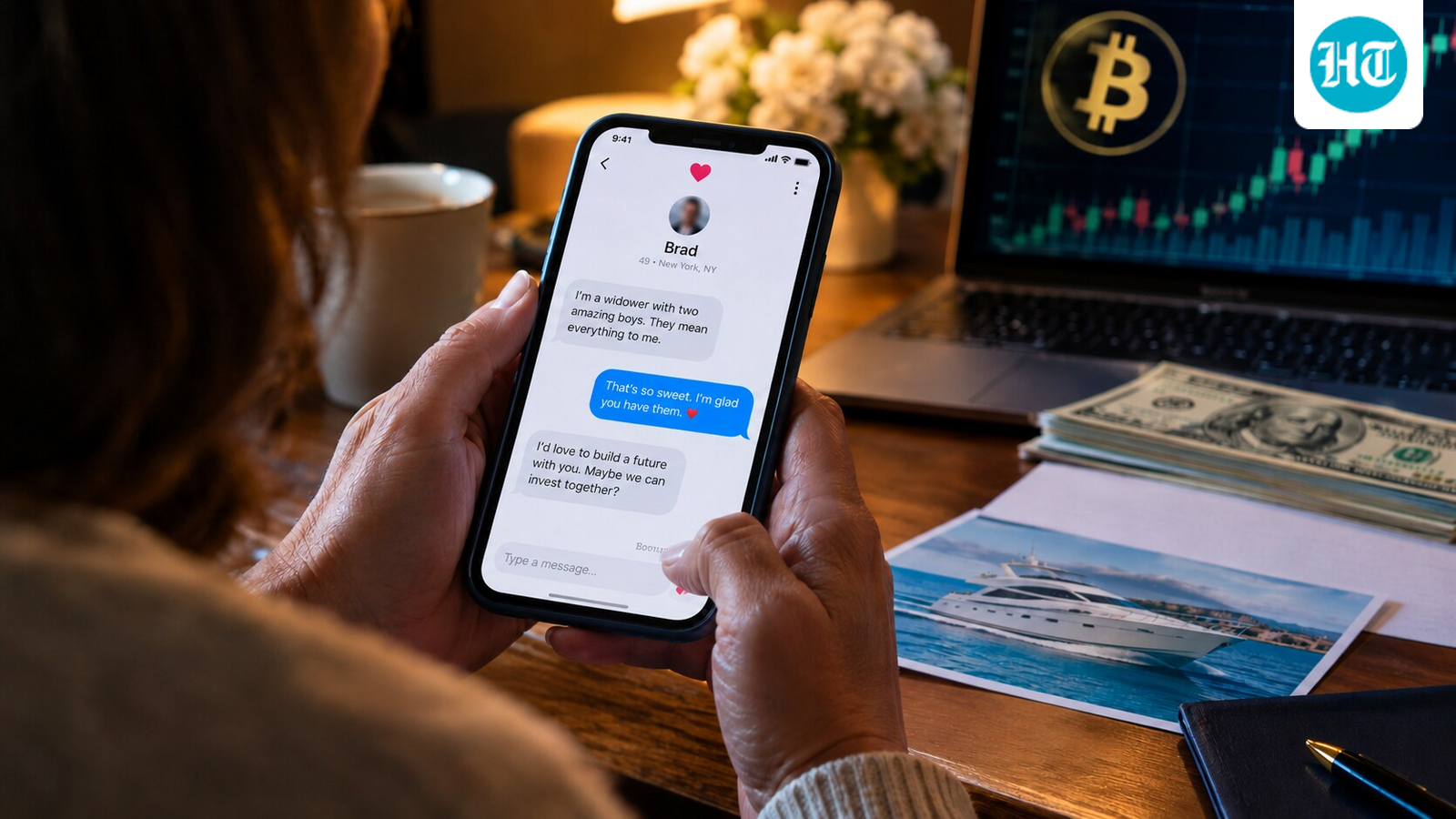
In May 2023, Jackie Crenshaw of East Haven, Connecticut, was nearing her 59th birthday and thinking about retirement when she met a man on a dating site who told her he was a widower, she said in an interview with Business Insider. He was a scammer, and a crypto romance scam cost her about $900,000. Now she works with AARP to warn others about the red flags she missed.

A kind man with a sad story
Jackie had a healthy 401(k) after years of saving about 15% of her income. She also wanted a companion to share her later life. A friend set her up with a profile on BLK, a dating site for African Americans. Jackie spotted a contractor there who called himself Brandon Miller. He told her he was a 49-year-old widower with two young boys. After two to three weeks of chatting on the platform, they moved to phone calls and texts.
Brandon paid close attention. Since he knew Jackie worked long hours, he’d send her food deliveries through DoorDash or Uber Eats. They also began to pray together, which Jackie now views as a good way to tap into her emotions. Before long, she had fallen for him. He talked about her becoming stepmom to his boys and buying a house in Connecticut together.
Excuses and a crypto pitch
Brandon said he worked in different places, like New York, Virginia, and California. Every time they planned to meet, something at work came up, like an accident involving an employee. Eventually, they talked about investing for their future. Brandon introduced Jackie to a supposed broker, who helped her set up a crypto wallet. She Googled crypto but still moved $40,000 out of her 401(k). Her statements reflected rising numbers, and Brandon sent pictures of his own account, which he said contained $2 million to $3 million. Jackie now knows it was all fake. She says she fell victim to a scam known as pig butchering, in which thieves build up trust before stealing money.
The check, the loan, and the yacht party
Brandon then said he was sending some of his own money to invest. Jackie received a $100,000 check signed by a woman in Florida who Brandon claimed owed him money for contracting work. Jackie told a friend, who had encouraged her to join the dating site. The friend was suspicious and told her to go to the police. Jackie filed a report about a possible scam in 2023, but she says officers almost laughed it off. The woman’s bank told her the check was valid, so she deposited it. Following Brandon’s instructions, she converted the check to crypto and added hundreds of thousands of dollars from her retirement funds and other investments. She also took out a home equity loan on her condo.
Brandon also encouraged her to throw a yacht party for her 60th birthday and sent her $36,000 for deposits. Her local police department contacted her in June 2024, about a year after her first report, after an anonymous tip that she was being scammed. Brandon did not attend the party, and a week later Jackie blocked his number.
What the scam cost her, and what she wants you to know
Jackie says she lost about $900,000. She still owes income tax on some of the cash she withdrew, her house is at risk, and she does not know when she will be able to retire. A state trooper traced the e-wallets overseas, including to Nigeria, and the criminal case is ongoing.
According to the FBI’s 2025 Internet Crime Report, as summarized by Homeland Security Today, Americans who filed crypto-related complaints in 2025 reported more than $11 billion in losses. Americans 60 and older reported approximately $7.7 billion in losses from internet crime overall.
Jackie says it was difficult to tell her story as a victim. She did it anyway, saying she did not want the scammers to win twice. Now working with AARP to warn others, she tells people to watch for red flags such as sharing personal details on a dating platform, a match who refuses to meet in person, or anyone who pressures you to move your money.