
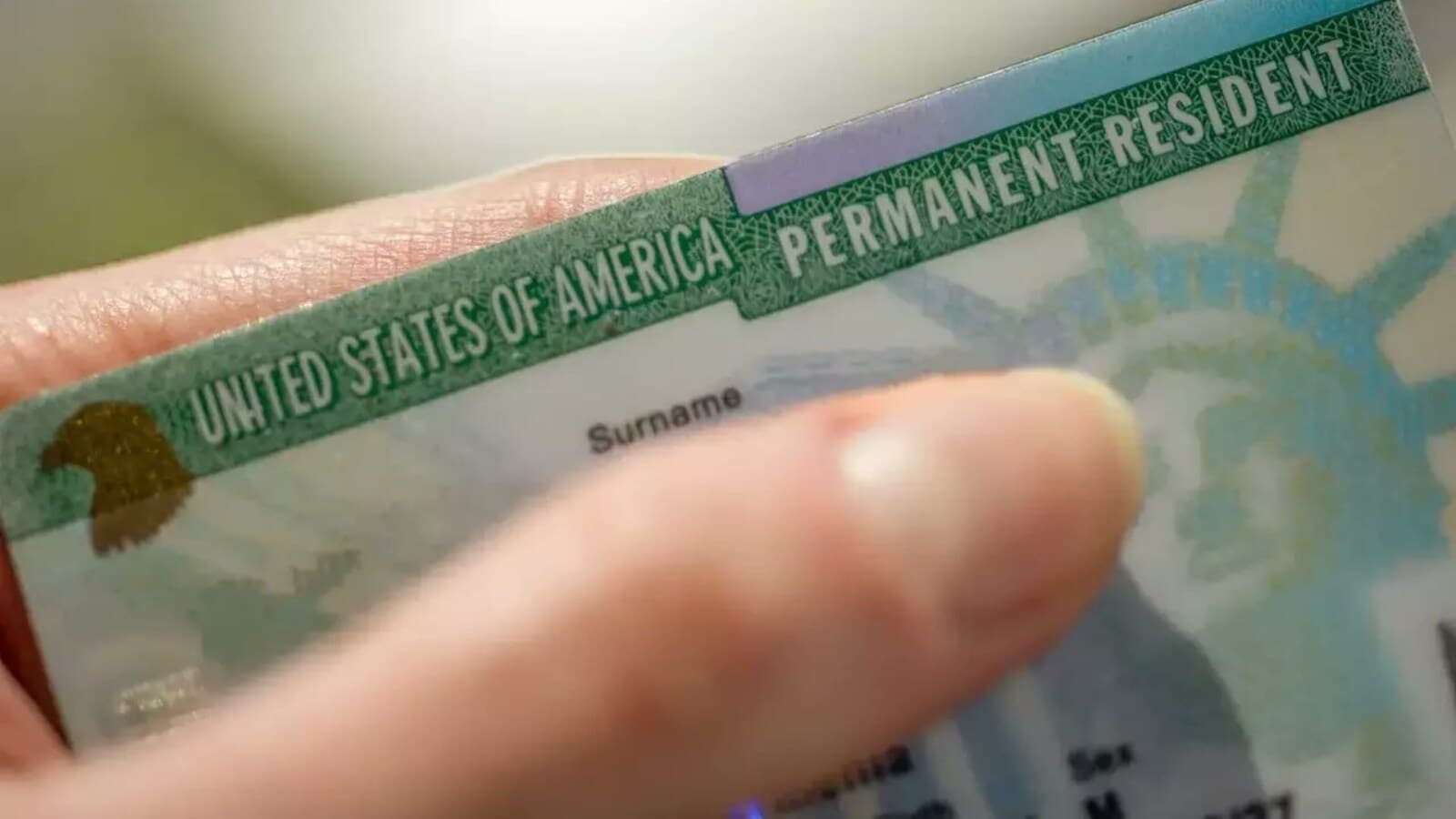
A federal judge has mandated that the Trump administration reinstate America’s Green Card Lottery, restoring an avenue to permanent residency that garnered in excess of 20 million applications during its most recent completed registration period.
This decision emerges as federal data states that Florida has surpassed California as the leading state for recipients of new Green Cards.
Judge orders Diversity Lottery reopened
U.S. District Judge Jinsook Ohta in San Diego issued a preliminary injunction on Wednesday, October 14, requiring Secretary of State Marco Rubio and the State Department to proceed with the Diversity Visa Lottery for fiscal year 2027. Pursuant to a revised judicial timeline, officials must disclose registration particulars by October 29 and commence accepting applications by November 1. The registration period must remain accessible for 30 days, with selected candidates informed no later than December 3.
This judicial ruling comes after an extended period of ambiguity regarding a legislative initiative that Congress instituted in 1990. The State Department deferred enrollment procedures for the 2027 Lottery while introducing modifications to the submission methodology.
Also Read: US proposes to hike H-1B visa salary threshold to $140,000: Here’s what Indian workers need to know
Legal representatives specializing in immigration law contested the postponement, contending that the executive branch lacked the authority to effectively discontinue a program that federal legislation requires. The administration maintains the option to pursue an appeal of this ruling.
Florida overtake California in new Green Cards
In 2024, Florida surpassed California to become the primary destination for people acquiring new Green Cards, coinciding with permanent U.S. residency attainment reaching its highest level over the past decade.
According to the Office of Homeland Security Statistics, which relies on U.S. Citizenship and Immigration Services records, 1.36 million people obtained lawful permanent resident status throughout the nation during fiscal year 2024. This represented an increase from 1.17 million in 2023 and constituted the highest figure recorded within the 2015-2024 period.
In 2024, Florida emerged as the leading state for new lawful permanent residents, recording 219,470 people and marginally surpassing California’s 217,420. Texas secured the third position with 160,400 residents, while New York followed with 136,750.
These statistics were compiled prior to the Trump administration’s implementation of various measures designed to enhance oversight of legal immigration, encompassing routes toward permanent residency.
New Jersey documented 58,180 new lawful permanent residents, whereas Illinois registered 44,650, Virginia 37,850, Massachusetts 36,180, Georgia 35,100, and Pennsylvania 34,850.
Conversely, Wyoming reported the lowest figure at 510, followed by Vermont with 630 and Montana with 650. Alaska recorded 1,100, and South Dakota documented 1,070.
Green Card comparison between 2023 and 2024
Multiple states demonstrated notably substantial growth between 2023 and 2024. Florida’s figure expanded by 63,970, representing approximately 41 percent growth from 155,500. Texas experienced an increase of 33,470, constituting roughly 26 percent expansion from 126,930. Kentucky advanced from 7,830 to 12,120, reflecting an approximate 55 percent rise.
California’s aggregate figure demonstrated a more restrained expansion, advancing from 205,040 in 2023 to 217,420 in 2024. New York experienced an increase from 127,980 to 136,750.
The state-level statistics state the residential locations of people following the acquisition of lawful permanent resident status, rather than necessarily reflecting their initial points of entry into the US. The federal dataset additionally encompasses people who attained permanent resident status through adjustment of status procedures while residing within the country.