
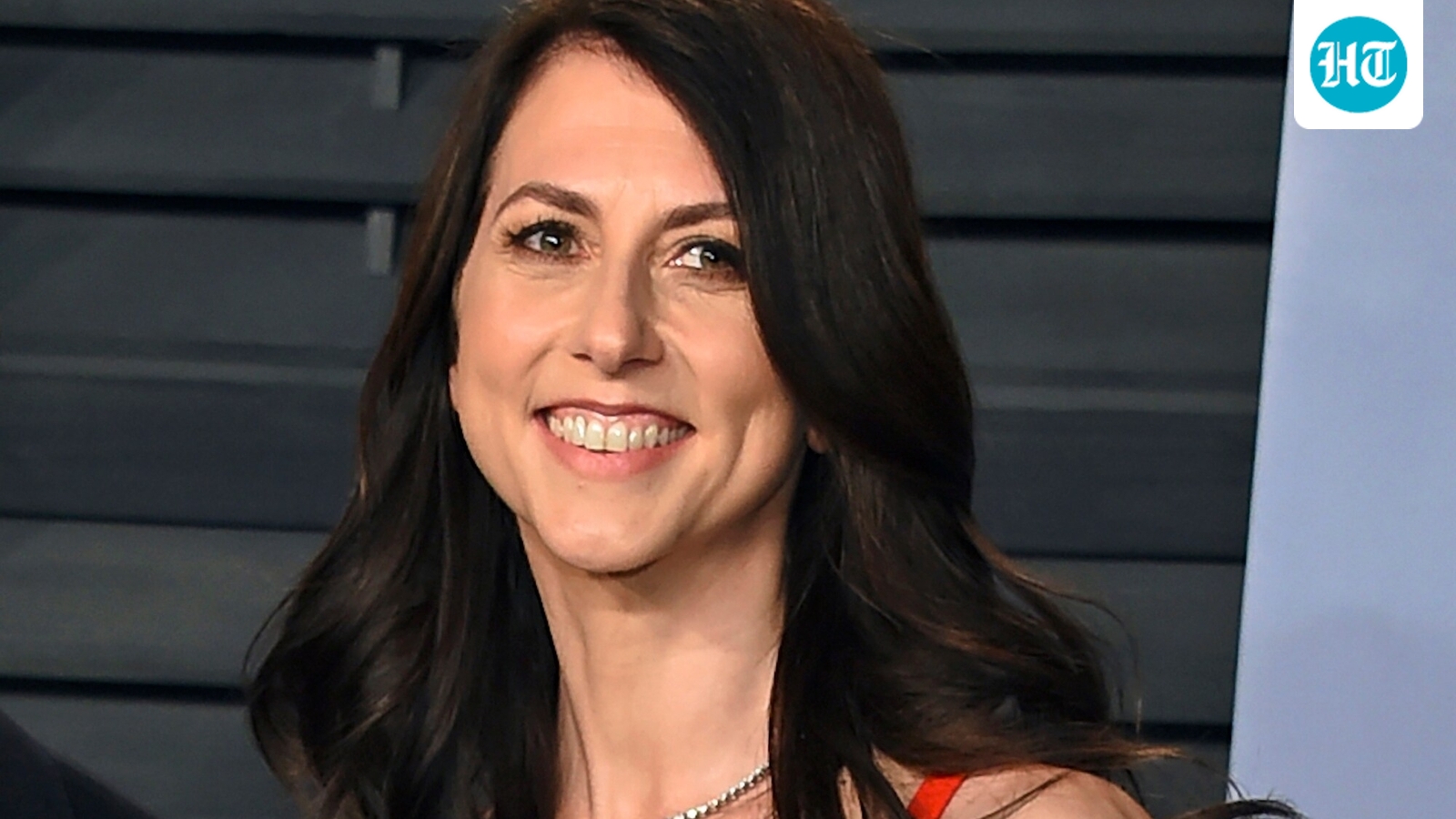
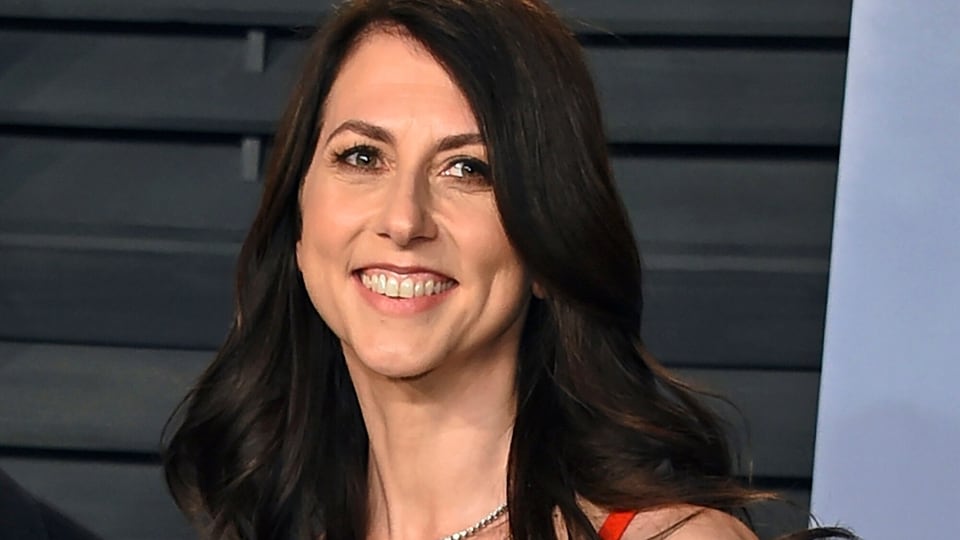
You cannot see or smell methane, yet it plays a big role in warming the planet. That’s why the gift from MacKenzie Scott, the former wife of Amazon founder Jeff Bezos, is worth a second look. The Associated Press, in a report published by Fortune, said that Scott donated $60 million to the Global Methane Hub, which funds projects to reduce the gas. The gift was part of $7.1 billion in new donations she announced on December 9, 2025.
Why an invisible gas is so important
Methane comes from sources like oil and gas leaks, farms, and landfills. It is hard to detect oil and gas leaks because the gas is invisible. Over 20 years, one tonne of methane traps about 80 times more heat than one tonne of carbon dioxide, according to the IPCC’s Sixth Assessment Report. Methane, however, does not stay in the atmosphere as long as carbon dioxide. This is important for millennials and young adults because they will live through the coming decades, which has made methane reduction a major climate target worldwide.
What cutting methane might do
The Global Methane Assessment, a report by the United Nations Environment Programme and the Climate and Clean Air Coalition, found that human-caused methane emissions could be reduced by as much as 45% by 2030. The assessment’s authors explained methane breaks down fast, so cuts can slow warming in the short term. Such a cut would prevent warming from being nearly 0.3°C higher by 2045.
Methane also helps form ground-level ozone, a major component of smog, so reducing it would clean the air, too. The authors estimated a 45% cut would prevent 260,000 premature deaths, 775,000 asthma-related hospital visits and 25 million tonnes of crop losses each year. These are model estimates, not real promises. At its release, UNEP Executive Director Inger Andersen said cutting methane is “the strongest lever we have to slow climate change over the next 25 years,” and that it complements efforts to cut carbon dioxide.
How Scott’s gift fits in
That $7.1 billion brought Scott’s giving since 2019 to $26.3 billion, according to AP. She posted the full list of recipients on her website, Yield Giving. The Global Methane Hub, which hands out about $100 million a year to methane projects, had received a gift from Scott before, AP said, making this $60 million her second. Climate was a big theme in 2025, and the biggest climate gift, $90 million, was awarded to Forests, People, Climate, a group working to stop tropical deforestation. AP also noted Scott had first said she would give away most of her wealth in 2019, after her divorce from Bezos. Her gifts are unrestricted, so groups get to decide how to spend the money without having to apply for the funds or file progress reports.
Money alone is not enough
Funding is only one piece of the puzzle. According to the assessment, most of the measures specific to methane are in the fossil fuel industry, in which methane leaks are easier to detect and address. About 60% of these measures are low-cost, and better waste management could help too. The analysis of costs and benefits was conducted country by country to help policymakers identify the best starting point. The Hub says that it allocates funds to energy, agriculture, and waste programs and works toward cutting global methane emissions 35% by 2030, measured against 2010 levels. That is the Hub’s own target, while UNEP’s 45% shows what is technically possible with available measures, so the two figures are not competing forecasts. Such a goal would require joint efforts of governments, businesses, and communities, not only donations. Scott’s $60 million will not close that gap alone. But, as the Hub’s CEO told AP, flexible funding like this can act as a bridge while governments and businesses decide how fast to move.