
The S&P 500 has seen strong gains in recent years. After a difficult 2022, the S&P 500 rose 24% in 2023, 23% in 2024 and around 16% in 2025. The Nasdaq Composite, which has a strong focus on technology companies, performed even better, rising 43% in 2023, 29% in 2024 and 20% in 2025. Both indexes continued to rise in 2026, mainly because of growing excitement around artificial intelligence.
However, a small group of technology companies is driving much of the market’s growth. This means the stock market’s strong performance depends heavily on a limited number of large companies. If these companies face problems, the wider market could also suffer.
Investors are now worried about a possible AI stock market bubble. The big question is whether AI is creating long-term business growth or whether investors are pushing stock prices too high because of excitement about the technology. This has raised concerns about a possible market correction if expectations fail to match actual business performance, according to Motley Fool.
AI stocks are pushing market valuations higher
The strong performance of these companies has helped lift the wider market. Their rising stock prices have contributed to the market’s gains. However, their growing influence also creates a risk because a sharp fall in just a few of these giant companies could put significant pressure on the S&P 500 during a downturn.
Also read: Why is the S&P 500 steady while the Dow Jones rises? Bank earnings, inflation data in focus
The CAPE ratio is much higher than its historical average. Historically, the ratio has averaged around 17. However, it is currently hovering around 41. Such high levels have occurred only during a limited number of periods, including around the dot-com bubble, according to Motley Fool.
The dot-com bubble offers a warning about excessive excitement around new technology. During the dot-com era, investors heavily bought technology stocks because they expected internet-related businesses to grow rapidly. When those expectations failed to support stock prices, the market suffered a major collapse. The current rise in AI stock valuations has raised concerns about whether investors could be repeating similar mistakes.
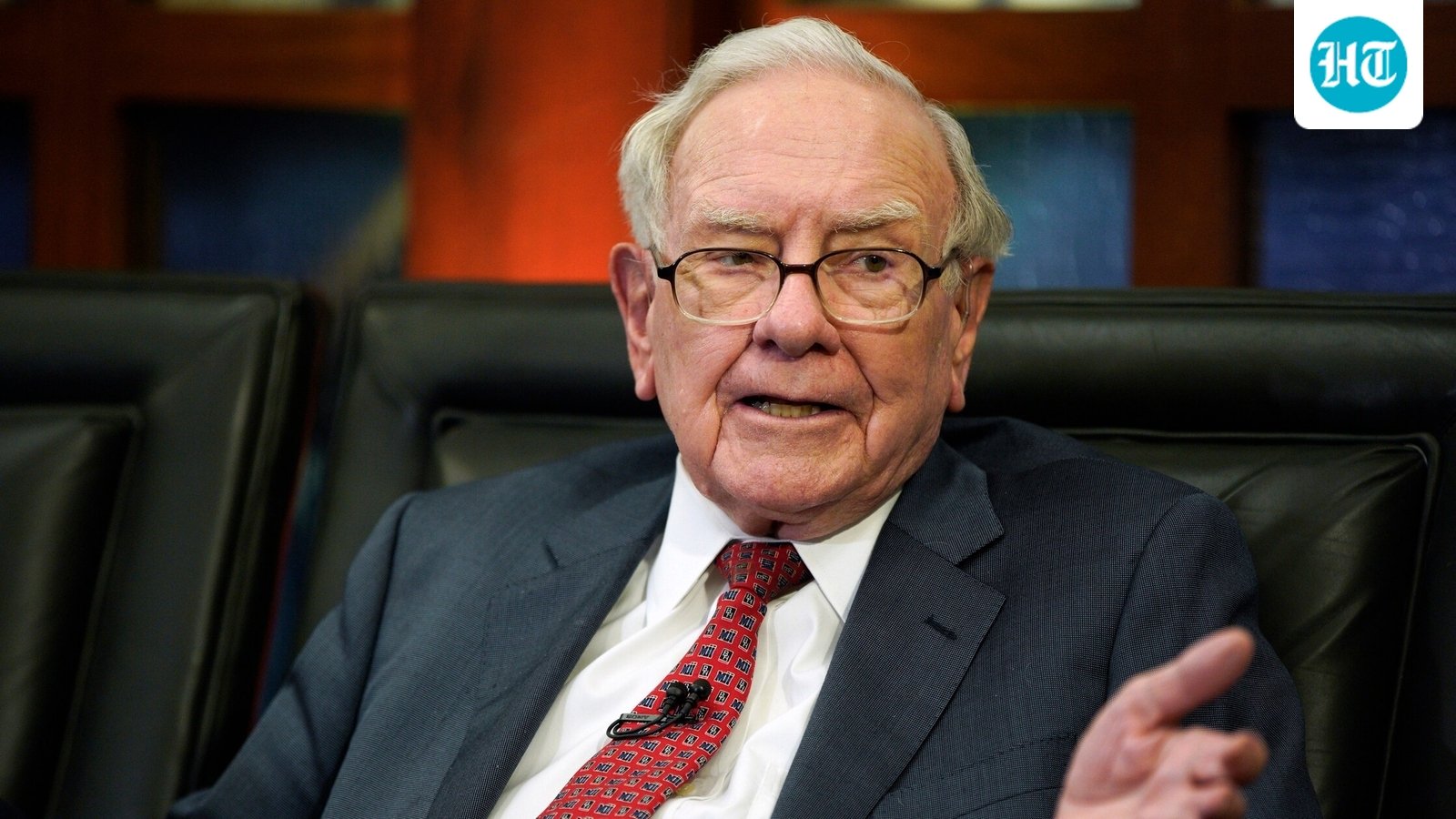
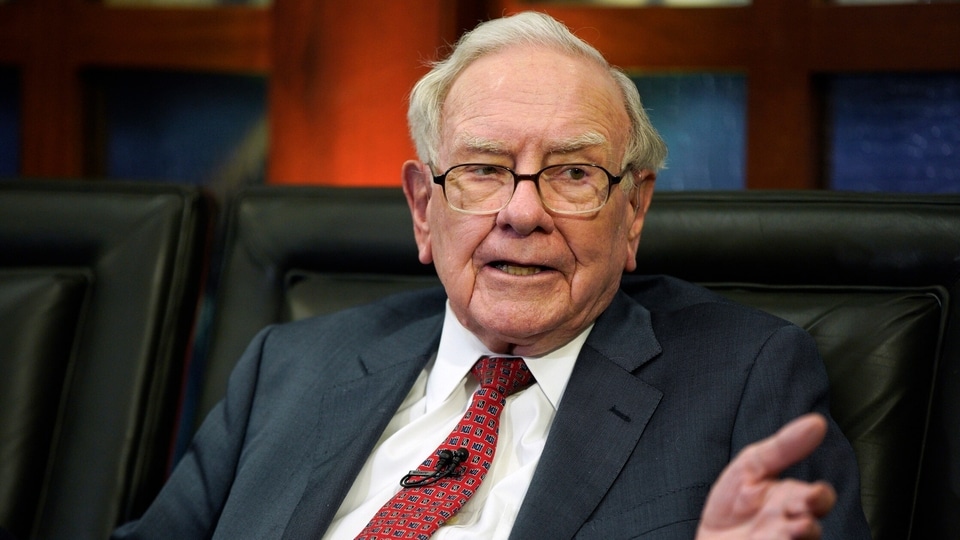
What would Warren Buffett say about the market today?
Buffett’s famous investment advice focuses on the difference between price and value. He said, “Price is what you pay; value is what you get.” This means investors should look at what an investment is actually worth instead of buying shares just because their prices are going up, according to Motley Fool.
Buffett believes that ordinary investors do not need to predict which stocks will crash. It is difficult to know when a stock is too expensive or when the market will fall. Instead of trying to predict every market move, investors can consider a simple option: investing in a low-cost S&P 500 index fund.
Buffett explained this approach in Berkshire Hathaway’s 2013 shareholder letter. He wrote that the instructions for his wife’s trust called for 90% of the money to be invested in a low-cost S&P 500 index fund. He specifically recommended Vanguard for this purpose, according to Motley Fool.
Berkshire Hathaway put Buffett’s investment philosophy into practice. In late 2019, Berkshire Hathaway purchased 43,000 shares of the Vanguard S&P 500 ETF, also known by its ticker symbol VOO. The investment reflected the strategy of gaining broad exposure to the US stock market instead of relying on a single company’s performance.
Why VOO could remain relevant even if AI stocks crash
The S&P 500 delivered an annualised return of around 10% over a long period. The index generated an annualised return of 10% between 1928 and 2025. Annualised returns show the average yearly growth rate over a period, accounting for the effect of compounding. This historical performance does not guarantee similar returns in the future.
However, VOO is not protected from an AI stock market crash. Because the ETF tracks the S&P 500a sharp fall in major technology companies could also pull down its value. Investors could lose money, particularly if they need to sell during a market downturn. Diversification reduces dependence on individual stocks but cannot prevent losses when the wider market falls, according to Motley Fool.
The current rise in AI stocks makes Warren Buffett’s long-term investment strategy important. Excitement around AI has pushed stock prices to very high levels. This has raised fears that the market could fall. However, it is difficult to predict exactly when a market crash will happen. Buffett’s approach suggests that investors should focus on buying shares in different good companies and holding them for many years instead of trying to predict market bubbles, according to Motley Fool.
The main lesson is that investing for the long term may be more useful than trying to predict the next AI stock crash. The Vanguard S&P 500 ETF is one way to invest in many US companies without buying shares of each company separately. It spreads money across different companies and charges a low yearly fee. This makes it a good fit for Buffett’s long-term investment approach. However, stock prices can fall, and investors are not guaranteed to make money.