
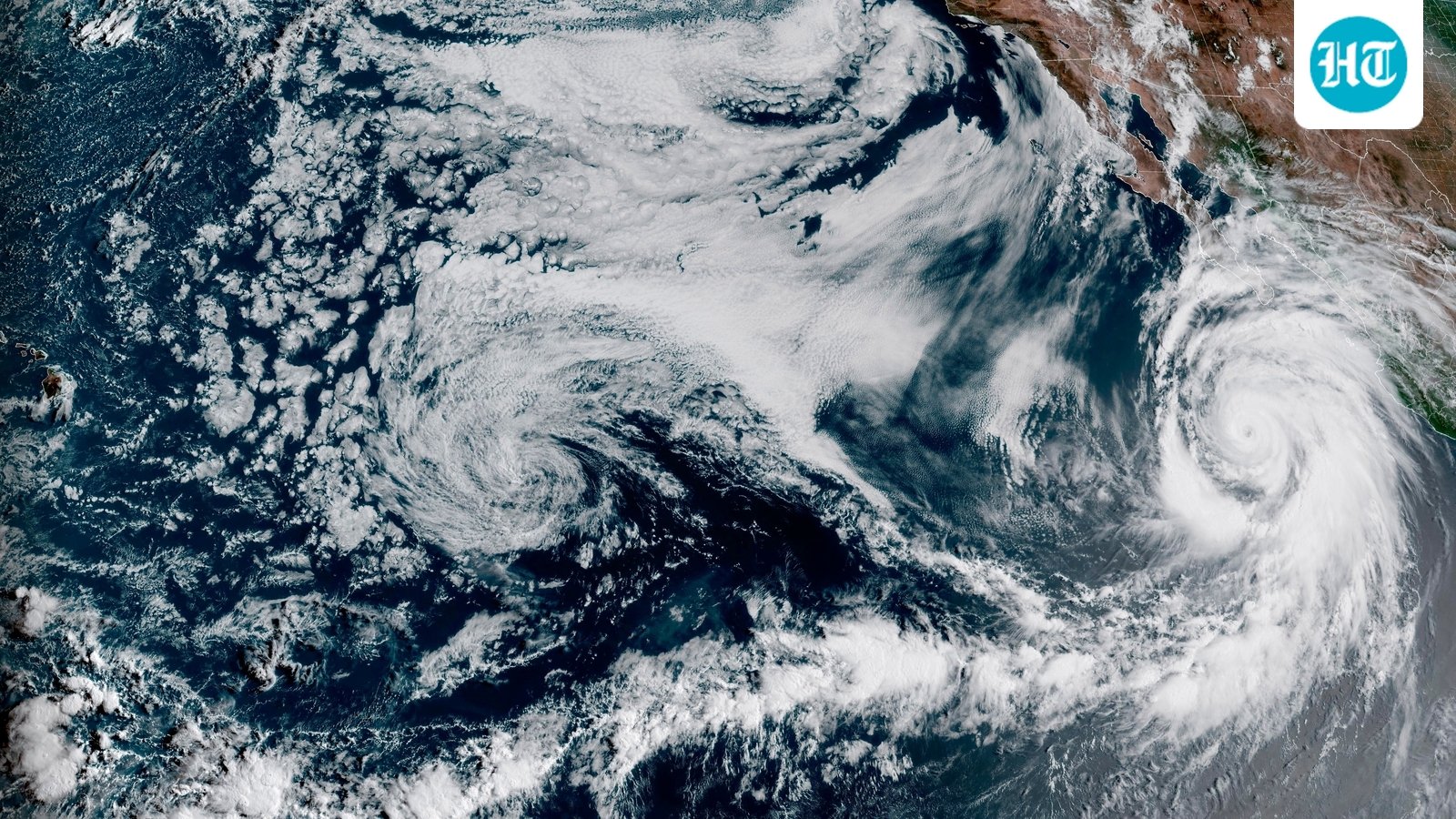
California is preparing for a possibly historic El Nino this winter. Forecasts warn of heavy rain, floods, landslides and huge waves along the coast. As the weather pattern grows stronger, officials are getting ready for its possible impact on the state.
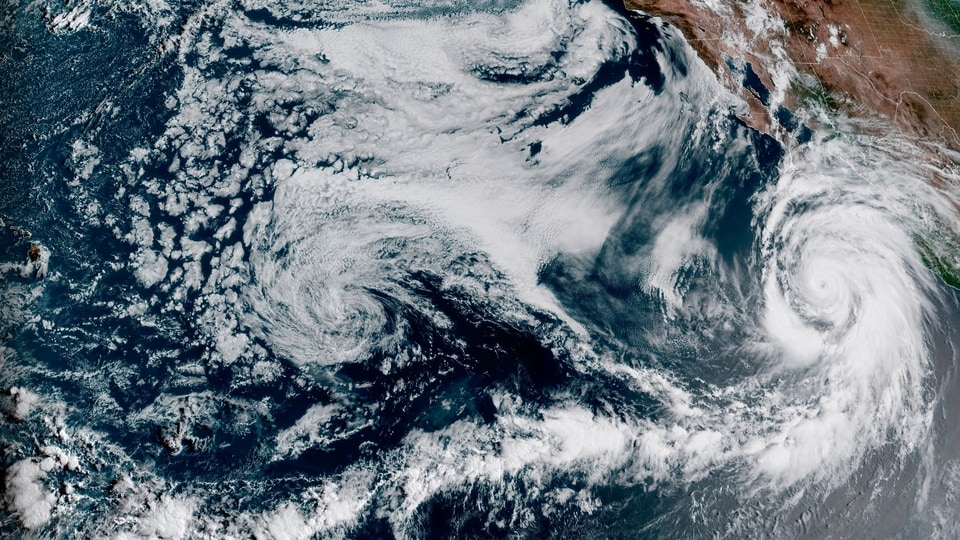
What is the forecast?
California is getting ready for a possible historic El Nino. As per the SF Chroniclethe 2026-27 El Nino is close to record territory. Scientists are now more sure that it will have a big effect on the state’s rain and snow.
The governor’s office said there is a more than 90% chance of a very strong El Nino this year and a 75% chance of one of historic strength.
John O’Brien, a climate scientist at the Heising-Simons Foundation, said: “The odds of an average winter are very low.”
Also read: Super El Nino winter weather forecast: What December, January and February could bring across the US
When will it hit?
Some effects have already started. As per The Guardianbefore this year the US National Weather Service had never issued a September coastal flood advisory for the San Francisco Bay Area. In the past month, it has issued two.
Southern California’s coast was hit by huge waves that damaged homes and ate away beaches.
The main rain season is still to come. As per the SF Chronicle, the North American Multi-Model Ensemble forecasts above-normal rain across California from December through April. The European Center for Medium-Range Forecasts says San Francisco and other parts of California could get twice as much rain as normal from December through at least February.
Also read: Old Farmer’s Almanac weather forecast for October 11-20: What weather will the US see?
Which areas are most at risk?
Los Angeles and San Diego are expected to face a higher risk of extreme rainfall. Emergency planners and researchers at the Scripps Institution of Oceanography told ABC News that coastal communities like Malibu, Seal Beach, Oceanside, Encinitas, Carlsbad and Del Mar could face high surf, beach erosion and unusual sea-level changes.
Inland areas such as downtown Los Angeles, San Francisco, Santa Rosa and Chula Vista could face flash flooding. Hillside communities such as Monrovia may be at risk of mudslides and debris flows if strong atmospheric rivers bring heavy rain.
As per The Guardian, the effects of El Nino will add an extra foot of sea level rise in California. This is on top of the 8 to 12 inches of rise caused by climate change over the last century, said state climatologist Michael Anderson.
How is California preparing?
Governor Gavin Newsom declared a state of emergency on September 21, the order is meant to bring supplies to communities before the extreme weather hits. It also gets the National Guard ready to help with flood response and search and rescue. State agencies have been told to get roads and key infrastructure ready.
According to The Guardian, work is going on in many places. In Long Beach, the seawall has been lined with large sandbags to strengthen spots where strong waves have burst through. In Orange County, about 690,000 cubic yards (528,000 cubic meters) of sand is being pushed along the coastline. In San Diego, workers are going door to door in flood zones to help small businesses get their buildings ready.
How to prepare
According to the Governmentthese are the things to keep in mind:
- Sign up for alerts. Get emergency alerts from your city or county. Conditions can change fast during big storms, so follow what local officials say.
- Know your flood risk. Check if your home or workplace is in a flood-prone area. Also check if it is below a recent wildfire area, where heavy rain can cause floods, debris flows and mudslides.
- Make an evacuation plan. Know where you would go and how you would get there if you had to leave quickly. Keep an emergency kit ready with plans, medicines and supplies for pets and other animals.
- Never drive through floodwater. It can be deeper and faster than it looks, and the road under it may be damaged or washed out. Turn around and take another route.
California will definitely have a wet winter, but it raises the risk of strong storms. Residents can take these simple steps to stay safe.