
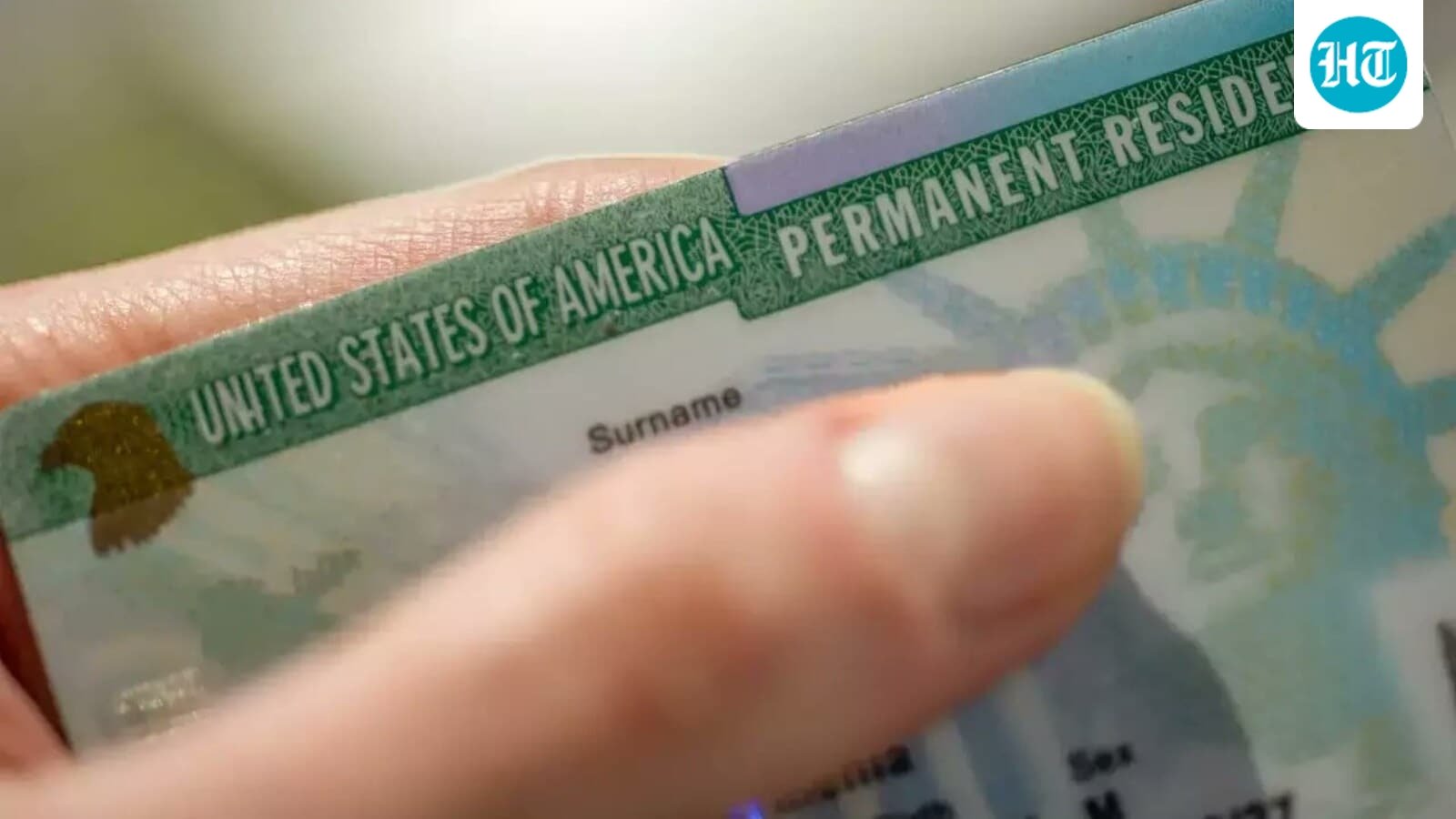
Labor unions, university faculty groups and immigrant rights advocates have sued the Trump administration over two immigration policies they say could make it harder for eligible immigrants already living in the United States to obtain green cards without leaving the country.
The lawsuit, filed on October 5 in the US District Court for the District of Massachusetts, challenges two policies introduced by US Citizenship and Immigration Services (USCIS) in May and August 2026. The plaintiffs argue that the measures could put applicants at greater risk of rejection, including people whose green card applications were already pending when the policies took effect.
The administration has defended the changes. USCIS spokesperson Zach Kahler called the lawsuit a “frivolous attempt to disrupt the Trump administration’s commitment to enforce our country’s immigration laws as intended by Congress”, according to Newsweek.
What are the two green card policy changes being challenged?
The lawsuit concerns adjustment of status, a process that allows eligible immigrants already in the US to apply for lawful permanent residence without leaving the country to complete immigrant visa processing at a US embassy or consulate abroad.
Under a USCIS policy issued on May 21, 2026, officers are directed to consider an applicant’s decision to seek a green card from within the US rather than through consular processing abroad as a negative discretionary factor.
The second policy, issued in August, gives officers broader authority to deny certain applications without first requesting additional evidence or notifying applicants of an intended denial. According to the lawsuit, the policy applies to new applications as well as cases that were pending when it took effect.
The plaintiffs argue that applicants who filed under the earlier approach could now face decisions under new standards without being given an opportunity to address the concerns raised by immigration officers.
They contend that the policies exceed USCIS’s authority, conflict with federal law and immigration precedents, and violate administrative rulemaking requirements and due process protections.
Why are immigrant groups challenging the rules?
The coalition includes the American Association of University Professors, the Service Employees International Union and its affiliates, Americans for Immigrant Justice, and six individual green card applicants.
The plaintiffs say the policies could have serious consequences for families, workers, researchers and students who have built their lives in the US. Requiring some applicants to pursue permanent residence abroad, they argue, could disrupt employment and education, separate families and interrupt medical care.
The complaint cites the cases of individual applicants to illustrate those concerns. One plaintiff, a Salvadoran woman who has lived in the US since 1998, had her adjustment-of-status application denied in September despite USCIS finding her eligible for the process, according to the complaint. The agency cited other factors in exercising its discretion.
Another applicant, who has lived in the US for about 26 years and has three US citizen children, was questioned during an interview about why she was seeking adjustment of status domestically rather than applying through a consulate. Her application remained pending when the lawsuit was filed.
The plaintiffs are asking the court to block the policies while the case proceeds and ultimately invalidate them. They also want USCIS to adjudicate affected applications under the applicable legal precedents.