
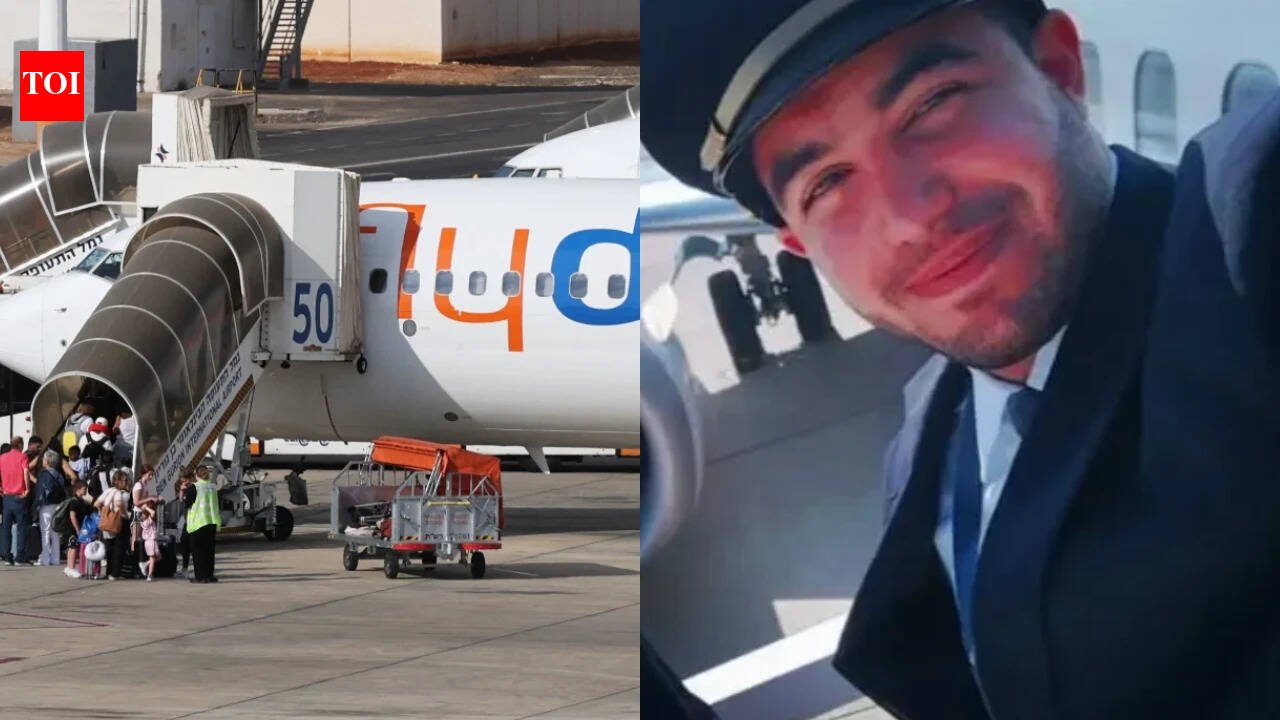
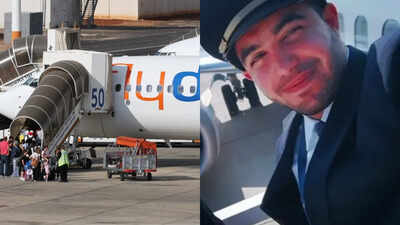
Hamam al-Hammami, the flydubai co-pilot accused of trying to crash a passenger jet bound for Tel Aviv, told investigators after the plane landed in Saudi Arabia that he wanted to deliberately bring it down and was ‘not afraid of death’, according to a Wall Street Journal report.The 29-year-old Omani national is now under investigation as to how he became radicalised, and how someone whose extremist interests had already drawn the attention of authorities was later allowed back into the cockpit.
From a love of flying to radicalisation
According to the Wall Street Journal, Hammami’s first aviation employer, state-owned Oman Air, banned him from flying after authorities discovered that he was visiting extremist websites.People briefed on his background told the newspaper that he was subsequently put through a deradicalisation programme and reassigned to a desk job.After leaving Oman Air, Hammami eventually found work in the UAE, and Flydubai hired him in February 2026. It remains unclear what information about his earlier history was available to the airline or whether Oman was ever asked to provide it. The WSJ reported that Oman received no requests from other countries for information to vet him for employment.Investigators are also looking at Hammami’s time in Syria.Born to an Omani father and Syrian mother, Hammami spent part of his youth in Syria during the country’s civil war. According to people familiar with the investigation cited by the WSJ, authorities are examining whether he began to radicalise while there, when Islamist rebels were fighting Bashar al-Assad’s government.Hammami’s social media also provides a substantial online record that predates the flydubai attack.More than 3,000 screenshots from Hammami’s deleted X account remain available through the Internet Archive.The posts include deeply conservative and misogynistic views, including statements opposing women working and expressing a preference for religious women who wear the veil.One post described Hammami creating a fake account to contact Saudi women. In another, he wrote that his wife should not work.The material does not by itself establish when he became violent or whether his views directly caused the flydubai attack. But investigators are examining the posts alongside his earlier extremist-web activity and his time in Syria to establish whether they form part of a broader process of radicalisation.
The flydubai attack
On September 30, Hammami attacked Captain Smit Machchhar aboard flydubai Flight 1073, using a cockpit crash axe before trying to take control of the aircraft.The plane plunged more than 16,000 feet in roughly 30 seconds before the badly injured captain managed to open the cockpit door. Passengers and crew then overpowered Hammami, while two off-duty pilots on board helped stabilise and land the aircraft in Saudi Arabia.After the emergency landing, a Saudi official briefed on his interrogation told the WSJ that Hammami acknowledged that he wanted to deliberately crash the aircraft and was not afraid of death.The UAE, Saudi Arabia and Israel are investigating whether he acted alone or had links to outside groups, especially Iran.
What aspect of Hammami case is most concerning to you?
3k+ users shared opinion today
5k+ users already voted today
3k+ users shared opinion today