
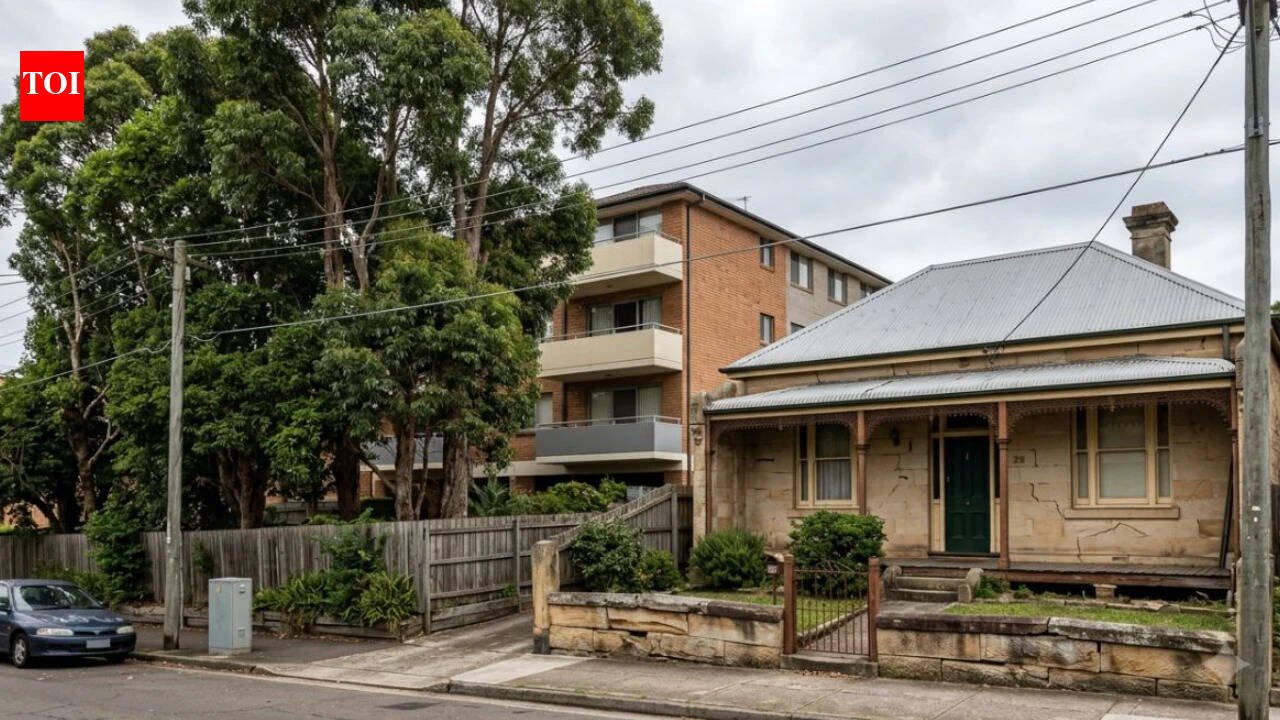
An Australian homeowner who blamed six trees on neighbouring property for damage to her 130-year-old heritage home has failed in her claim for tree removal and about $23,650 in repair costs. The NSW Land and Environment Court found that there was not enough evidence to establish that the trees had caused, were causing, or were likely to cause damage to her property, Legal 500 reported last week.Catherine Armstrong, who owns a heritage-listed home in Cremorne, NSW, had alleged that six trees on the adjoining property were responsible for several problems at her house. These included cracks in sandstone walls, internal cracking, movement of the front verandah, failure of a retaining wall and damage to a boundary fence. She brought the case against the Owners of Strata Plan 5548, which owns the neighbouring apartment complex.Armstrong sought orders under Part 2 of the Trees (Disputes Between Neighbours) Act 2006 (NSW). Her application sought the removal of the six trees and stump grinding, about $23,650.86 for repairs, remedial work on the neighbouring property and restoration work on her own home. She relied mainly on arboricultural and engineering evidence, which suggested that tree roots and abnormal moisture conditions were contributing to structural movement and cracking.The Court accepted that damage to the property existed. However, it found that the evidence did not establish the required link between the particular trees and the damage claimed by Armstrong. The case, Armstrong v The Owners of Strata Plan 5548 NSWLEC 1611, was decided by the NSW Land and Environment Court.
Reason for court’s rejection
The Court said Armstrong had to establish, on the balance of probabilities, that the trees had caused, were causing, or were likely in the near future to cause damage. Simply showing that trees were close to a damaged property was not enough.The engineering evidence identified several possible causes of the damage. But the Commissioner found that identifying possibilities did not prove that the trees were responsible. The Court also noted that four of the trees had already been removed following earlier complaints.Also, excavation carried out in 2022 did not find roots near the damaged areas at the front of the property. Roots were found near the rear extension, but they were not close to the cracked sandstone wall, which formed a significant part of Armstrong’s claim.The court also noted that no root mapping, tracing, microscopic examination or similar testing had been carried out to establish that roots from the six trees were responsible for the structural movement or damage.
Other causes pointed out
The evidence, according to the court, pointed more strongly towards abnormal moisture conditions than tree-related damage. The case material identified several possible factors, including a raised garden bed, watering system, leaking gutter, drainage and moisture conditions, clay soil and structural effects linked to a later second-storey addition.The court found that the mounded garden bed and abnormal moisture conditions were affecting the fence and sandstone wall. It also accepted that maintenance and repair work was needed to protect the heritage building.However, those findings did not give the court a basis to order the removal of the trees. The Commissioner also was not persuaded that decaying roots from trees that had already been removed would create voids and lead to future damage.