
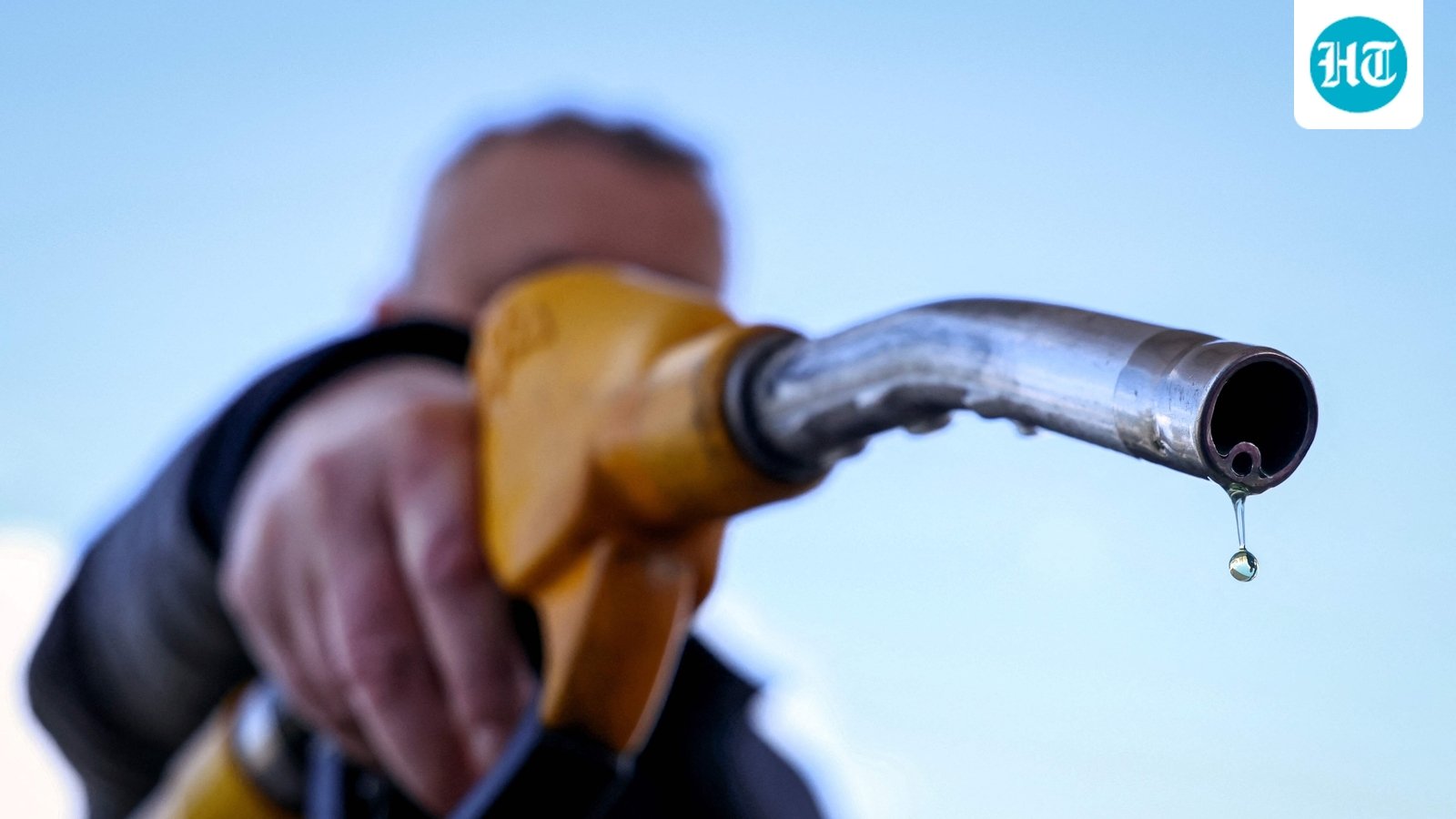
US diesel prices have hit a new all-time record as fuel costs continue to rise. Gasoline prices are also climbing across the country, adding to concerns about higher costs for consumers and businesses. The national average price of regular gasoline reached $4.48 per gallon on Monday. That is up from $4.32 per gallon a week earlier, according to auto club AAA.
The $4.48 gasoline price is the highest average recorded for September. However, gasoline is still below its all-time national record of $5.01 per gallon, which was reached in June 2022. Diesel prices have gone even higher and have broken their previous record. The national average price of diesel is now $6.51 per gallon, making it the highest diesel price ever recorded, according to The Motley Fool.
US diesel prices hit record high
The record diesel price is a major concern because diesel is used across large parts of the US economy. Commercial trucks, freight trains, construction equipment and farm machinery all rely heavily on diesel fuel.
Higher diesel costs can increase the price of many other goods and services. When it becomes more expensive to transport products or operate machinery, those higher costs can eventually move through the economy.
Diesel prices may rise more
Diesel prices could face more pressure as colder weather approaches. Unlike gasoline, diesel can become more expensive during the colder months because winter diesel has lower fuel economy. Demand for home heating oil also rises during the fall and winter. Heating oil is made from the same type of oil as diesel, which can add further pressure to supplies and prices.
Also read: Amazon Prime settlement refund: Who can get up to $200 automatically from Amazon?
Why gasoline prices could rise
Oil prices have fallen somewhat from their highs last week, but fuel prices could continue rising. One reason is that a large amount of gasoline is transported to gas stations by tanker trucks. Those tanker trucks themselves use diesel fuel. This creates a potential cycle where higher diesel prices increase the cost of transporting gasoline, which can contribute to higher prices at the pump.
Fuel costs hit US stocks
Rising fuel costs have already been linked to pressure on major US stock indexes. During the first half of September, concerns about fuel costs were among the factors weighing on the stock market, according to The Motley Fool.
The S&P 500 fell 1.3% during the first half of September. The Dow Jones Industrial Average dropped 2.1% over the same period.
Could diesel prices hurt the economy?
The bigger concern is what could happen if record diesel prices begin hurting the wider economy. If transportation, farming, construction and other businesses face sharply higher costs, the pressure could contribute to a broader economic slowdown.
A deeper economic downturn could also put additional pressure on stocks. Investors may become more worried about company profits if businesses have to spend more on fuel and transportation.
Could fuel costs trigger a crash?
The Motley Fool raises the possibility that extremely high diesel prices could contribute to a stock market crash. However, a crash is not presented as a certainty; it is a potential risk if fuel costs contribute to a much deeper economic downturn.
That raises the question of what investors should do if the stock market suffers a major sell-off. The article points to longtime investor Warren Buffett’s approach to previous market crashes.
Warren Buffett’s market advice
Buffett has experienced several major market downturns during his career. As longtime CEO and chairman of Berkshire Hathaway, he was investing through the 1987 Black Monday crash, the dot-com bust and the Great Recession, according to The Motley Fool.
Buffett did not respond to those downturns by simply pulling his money out of stocks. Instead, he remained invested and, at times, bought stocks when prices had fallen. Buffett’s approach is summed up in his famous investing principle: “Be fearful when others are greedy. Be greedy when others are fearful.”
Should investors stay invested?
The idea is that market crashes can create opportunities when stock prices fall sharply. Investors who sell during panic can lock in losses, while investors who remain invested may benefit if markets recover later.
Research cited by The Motley Fool also supports staying invested during market downturns. Its research found that investors who remain invested through recessions and market declines have generally done better over time than investors who sell during those periods.
What record diesel prices mean
The key point for investors is that a record diesel price does not automatically mean a stock market crash will happen. The bigger risk would come if high fuel costs spread through the economy and contribute to a significant slowdown.
For now, the main warning sign is the sharp increase in fuel costs. Diesel has reached a record $6.51 per gallon, while gasoline has climbed to $4.48 per gallon, putting pressure on transportation and other fuel-dependent industries. If fuel prices continue rising and economic conditions worsen, stock markets could face more pressure. The Motley Fool’s argument is that investors should avoid making panic-driven decisions if such a downturn occurs and instead consider Buffett’s long-term approach to market crashes.