Meet Kristine McDivitt Tompkins: The former CEO who helped create one of the world’s largest national parks | World News

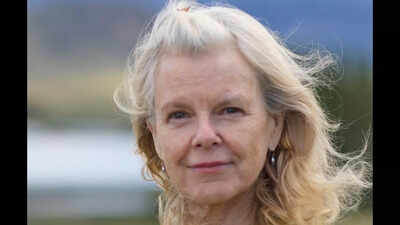
Kristine McDivitt Tompkins is an American environmentalist and the former CEO of Patagonia, one of the world’s most important outdoor apparel brands. After working in the corporate world for many years, she quit her job as a corporate leader to focus on protecting the environment on a large scale. She has spent years helping create some of the largest national parks in South America, which protect millions of acres in Chile and Argentina. She is now a well-known figure in the environmental community as she transitioned from corporate executive to environmental leader.
Kristine McDivitt Tompkins’ early career and role as CEO of Patagonia
According to reports, Kristine McDivitt Tompkins began working in the outdoor industry in the early 1970s. She joined Patagonia when it was a small company and later became CEO, a position she held for nearly two decades. During her tenure, Patagonia expanded into other countries and earned a reputation for producing environmentally friendly outdoor apparel.Her experience as CEO helped her develop a long-term commitment to protecting nature. In 1993, she left the corporate world to work full-time on environmental issues.
Why Kristin McDivitt Tompkins left corporate life to fight for the environment
After leaving Patagonia, Tompkins focused solely on preserving the natural landscape. She and her late husband Douglas Tompkins (founder of The North Face) moved to Patagonia, South America. The area is famous for its vast wilderness, glaciers, forests and grasslands.The move is a big change. Instead of putting money into the business, the couple began putting money into the land, with the goal of long-term conservation and restoration of the land.
Land conservation in Patagonia : Protecting millions of acres of land
Kristine McDivitt Tompkins helped purchase large tracts of land in Chile and Argentina through conservation groups that later joined forces to form Tompkins Conservation. These areas were once pastures, forests, wetlands and wildlife habitats and are at risk from pollution.The land was restored, protected, and eventually turned over to governments with the promise that it would remain a public national park. This approach helps ensure that the property is always secure and not privately owned.
create National parks in Chile and Argentina
Kristine McDivitt Tompkins played a central role in the creation and expansion of approximately 15 national parks covering millions of hectares. In 2018, her organization reportedly completed what has been called the largest private land donation in history, transferring approximately 400,000 hectares of land to the Chilean government.This contribution forms part of a wider conservation network covering more than 4.5 million hectares, making it one of the largest conservation initiatives ever undertaken by an individual.
Rewilding, biodiversity conservation and community engagement
In addition to providing land, Tompkins works on rewilding projects, restoring native species and restoring ecosystems. These efforts include bringing back endangered animals and eradicating invasive species.Her team also works with people in the region to promote sustainable tourism and employment opportunities that help protect the environment. This helps find a balance between protecting the environment and meeting local economic needs.
Global recognition of environmental protection efforts
Christine McDivitt Tompkins’ contributions have been recognized internationally. She has received global honors for her role in protecting biodiversity and serves as the United Nations Environment Program Patron of Protected Areas. Many view her work as an example of how private conservation efforts can help achieve public environmental goals.
Christine McDivitt Tompkins’ legacy in global conservation
Today, Kristine McDivitt Tompkins is known for her work converting private lands into permanent national parks. This protects the ecosystem for future generations. After leaving her job as a business leader to pursue environmental work, she has become one of the most important figures in modern conservation, particularly in the protected landscapes of South America.