
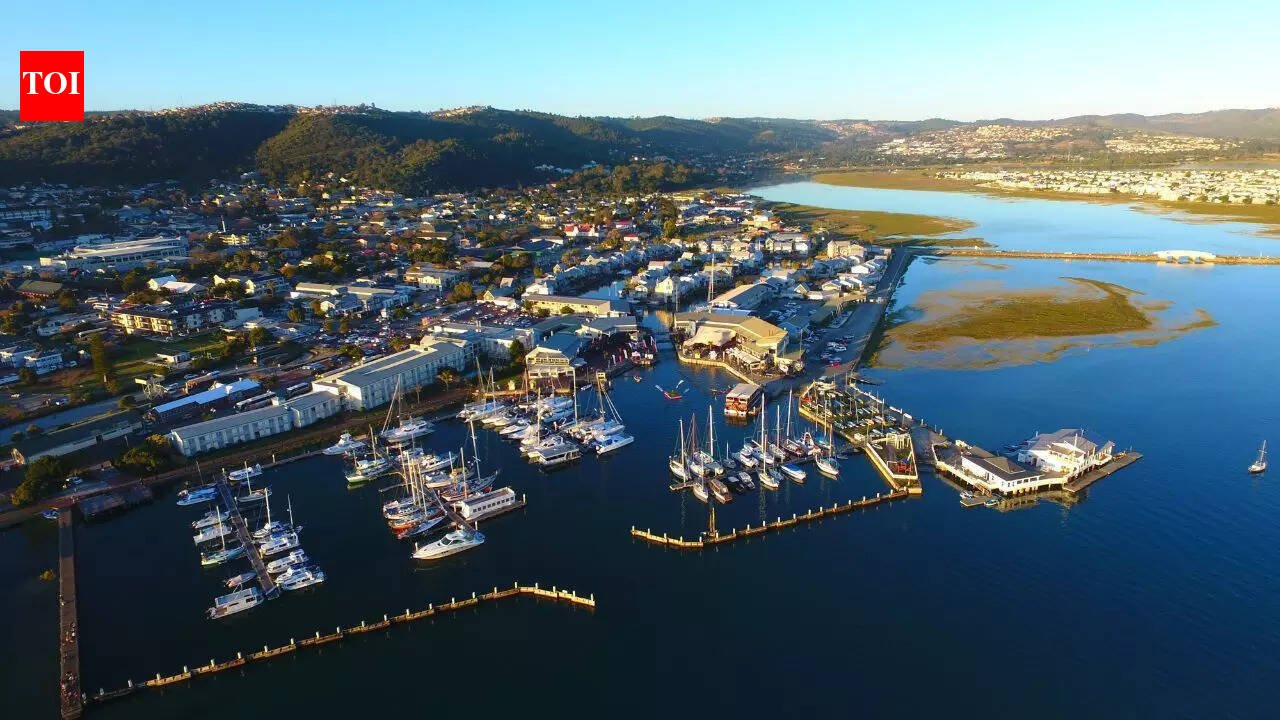
People across South Africa and even abroad know Knysna for its tranquil lagoons, lush forests and beautiful coastline along the famous Garden Route. Thousands of people come to the town each year to enjoy its beaches, wildlife and laid-back lifestyle. Tourism is the main source of income for many people living there.But behind this peaceful image, Knysna is facing one of the most serious challenges in its recent history. The town is short of water!Local authorities have declared a state of disaster as water supplies continue to drop, the BBC reported. The main storage dam, Ackerkloof, only has enough water for about 20 days. At the same time, more than half of the town’s treated drinking water was lost to leaking pipes. This means that even the limited water available cannot reach homes and businesses efficiently.Knysna, with a population of about 100,000, is approaching what officials call “Day Zero.” Municipal taps may run dry at this time. The crisis is already having an impact on healthcare, tourism, daily life and already vulnerable communities. It also highlights wider issues facing water systems across South Africa.
Understanding Knysna’s water crisis
Reduced water reservesKnysna relies mainly on the Akerkloof Dam for its water supply. The water level in this dam has dropped significantly over the past few months. Dry weather patterns and reduced rainfall limit natural recharge.According to the BBC, the dam currently only has enough water to last about three weeks at current levels of use. This doesn’t leave much room for error. Technical glitches, delayed repairs or increased demand can cause system failure.Knysna does not have as many backup water sources as larger cities. This makes the town even more vulnerable when the main water source is depleted.Infrastructure failureOne of the biggest problems is water loss from damaged pipes. Approximately 55% of clean, treated water is lost before it reaches the consumer. This happens because the infrastructure is old, broken and poorly maintained.Many of Knysna’s pipes were installed decades ago. Over time, they wear out due to corrosion, ground movement, and lack of maintenance. If the leak is not repaired soon, the water will flow into the ground instead of into the house.Mayor Thando Matika told the BBC that maintenance had been neglected for years. Previous governments often said there was no money to repair it. As a result, even the boreholes drilled in 2009 are not functioning properly.Chronic underinvestment has created a serious emergency.
How the crisis affects daily life in Knysna, South Africa
Nursing homes cut off waterOne of the clearest examples of this crisis occurred in October, when a retirement center in Knysna went without water for ten days. A municipal water plant malfunctioned, leaving residents without water.The center’s owner, Franco de Grandis, was forced to invest ZAR 250,000 in a backup water supply system. He told the BBC: “We need water in our flats; when people are bedridden in nappies, we need water too. Without water we can’t work.”For elderly residents who rely on caregivers, water is important for hygiene, medical care and comfort. Without it, daily life would be impossible.The incident shows how fragile the system has become.Families struggle to copeMany households now rely on water tanks, boreholes or private suppliers. A competent person will install a backup system. Others rely on municipal tankers.Residents are asked to limit water consumption to 50 liters per person per day. This includes drinking, washing, cooking and cleaning. By comparison, the average Briton uses around 142 liters of water per day.Activities such as garden watering, swimming pool filling, and boat washing with municipal water are prohibited.For families, this means changing what was once normal habits. Showers are shorter. Doing less laundry. The dishes are washed carefully. Every drop counts.
Emergency assistance from aid organizations
Giver’s gift interventionAs the situation worsened, the NGO Gift of the Giver began providing emergency water. The organization drills private boreholes to provide thousands of liters of water per day to residents who cannot afford their own systems.Mario Ferreira, the organization’s local coordinator, told the BBC: “When we arrived, people expressed a deep sense of gratitude. “What’s disturbing is that people start to think that this is the way of life and it shouldn’t be this way.”While help is vital, it is only temporary. In the long term, aid groups cannot replace functioning public water systems.Their presence shows how serious the crisis has become.Community dependence on water supplyIn some communities, water trucks are now part of daily life. Residents waited in line with containers. Children and the elderly often carry heavy buckets.The system is tiring, uncertain, and unreliable. If trucks are delayed, households could go days without water.For many, this situation is becoming normal. Experts warn that this acceptance is dangerous because it hides deeper structural problems.
Knysna’s tourism industry under threat
Fear of “zero day”Tourism is at the heart of Knysna’s economy. Tourists are important to hotels, restaurants, tour companies and shops. The idea of a “zero day” worries business owners. They worry that tourists will avoid the town if they think the water might run out.Elmay Bouwer, head of tourism at the Greater Knysna Business Council, told the BBC the word could cause panic.She said: “The name ‘Day Zero’ can cause panic and seem threatening. We should be telling people how to protect the water we have.”Tourism officials are now trying to clearly explain the restrictions to tourists. They encourage responsible use of water while assuring visitors that essential services are still available.Balance honesty and confidenceTourism leaders have a tough job. They need to be honest about what’s going on and not make people scared for no reason.If tourists stop coming, many people who work in the area will lose money. But concealing a crisis could also damage trust.The focus now is on promoting conservation and shared responsibility.
South Africa’s wider water issues
national challengeExperts say Knysna’s crisis is not unique. Watercan’s Dr Ferial Adam told the BBC that millions of South Africans face water shortages every day. “For millions of people in South Africa, ‘Day Zero’ is every day,” she said.About half of the country’s population does not have running water in their homes. Many communities rely on shared taps or water trucks. This shows that unequal access remains a major issue.Climate change and aging infrastructureSouth Africa faces rising temperatures and changing rainfall patterns. Droughts are becoming more frequent in some areas.At the same time, water systems in many towns and cities are aging. Pipes, pumps and treatment plants need to be in good condition at all times. When climate stress is combined with poor management, the system begins to fail.Knysna represents what happens when these pressures meet.
Impact on disadvantaged communities
Life in Kayaltu TownIn poorer areas such as Khayalethu town, water shortages have been common for years.Resident Khanyiswa Sewula, 60, told the BBC of her struggle, “You can’t survive without water, but we often go days without water.”She explained that although she had difficulty walking, she had to travel long distances to collect water from municipal water tankers. The situation is especially difficult for the elderly, disabled and single parents.Unequal access to backup solutionsThose with money can purchase water tanks, filters and pumps. Poor families cannot. This creates inequalities in basic needs. Rich people live comfortably. Others face difficulties every day.Experts say any long-term solution must address this imbalance.
Government response and funding
emergency supportThe national government has provided approximately $1.25 million in emergency funding to Knysna. The money is intended to support emergency repairs and temporary solutions. Local authorities say this will help stabilize the system while long-term plans are developed. On the other hand, experts say emergency funding alone won’t solve years of neglect.Repair and expansion plansAccording to the BBC, several projects are underway in the city:
- Repair seven existing drill holes
- Repair plants that extract salt from water
- Dig a new hole in the ground
- Introduction of circulating water system
The goals of these measures are to increase supply and reduce pressure on the main dam.
Long-term solutions for water security
Build new infrastructureKnysna plans to build another dam in the future. This frees up more storage space and gives you a safe buffer while it dries out. The town also plans to install water meters in homes that don’t have them or have damaged ones. Accurate measurements help find leaks and track usage.Such projects take several years and a lot of money. But without them, future crises are likely to occur.Improve maintenance systemExperts say maintenance needs to be a top priority. Regular inspections of pipes, pumps, and treatment plants can prevent big problems from occurring. Early repairs are much cheaper than emergency replacements. Training employees and improving management systems are also important.Warning to other townsThe situation in Knysna is being closely watched across South Africa. Many cities and towns face similar challenges: aging infrastructure, limited budgets and climate stress.If these issues are not addressed early, more communities may face “Day Zero.”According to the BBC, Knysna faces more than just local problems. It highlights country risks.