What is driving oil prices lower today? Saudi shipments ease supply fears as Brent stays above $100

Oil prices fell on Thursday, extending the losses seen in the previous session. The decline came after reports that Saudi Arabia was arranging additional crude shipments through Oman, easing some fears about a shortage of oil. However, oil prices remained above $100 a barrel because traders are still worried that the Middle East conflict could spread further.
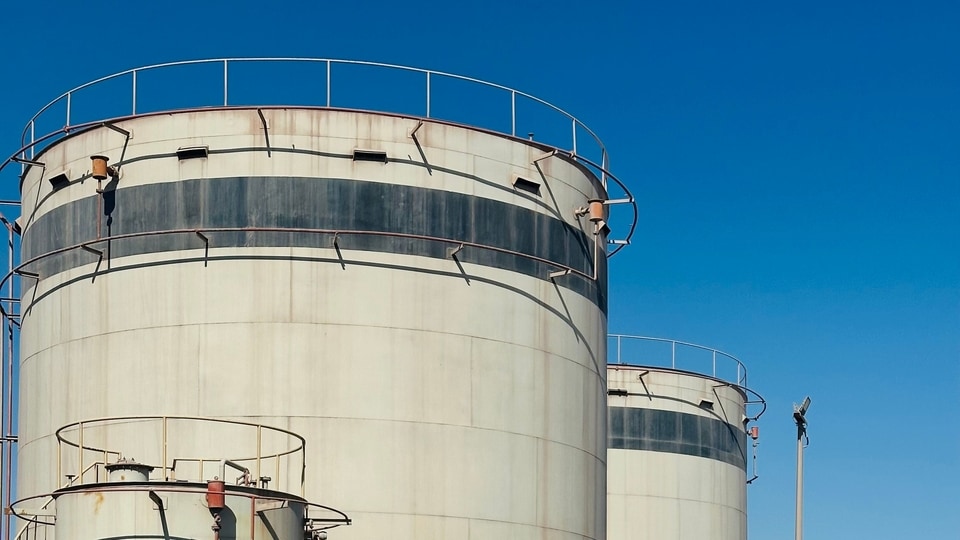
Brent crude futures fell $1.09, or 1.03%, to $104.74 a barrel at 0801 GMT on Thursday. US West Texas Intermediate (WTI) futures fell 83 cents, or 0.81%, to $101.60 a barrel. Both Brent and WTI had fallen by about $3 a barrel on Wednesday.
Why are oil prices falling today?
One major reason is that Saudi Arabia is finding ways to keep crude shipments moving despite damage to its oil infrastructure. Saudi Arabia is offering more crude cargoes to Asian refiners through ship-to-ship transfers off Oman’s Sohar port, according to people familiar with the matter.
These extra shipments are helping to reduce some of the supply disruption caused by attacks on Saudi Arabia’s East-West pipeline. The pipeline normally carries Saudi crude towards the Red Sea.
Saudi crude shipments ease supply fears
Saudi Arabia’s additional loadings through Oman have helped calm some of the market’s immediate supply concerns. Tim Waterer, chief market analyst at KCM Trade, said Saudi Arabia’s efforts to maintain shipments through additional loadings off Oman had eased supply worries, according to Reuters. He also said oil prices had moved down from their weekly highs after US Energy Secretary Chris Wright signalled that Saudi Arabia’s East-West pipeline could return to service faster than expected.
US official signals faster pipeline restart
Wright told CNBC on Tuesday that crude should start flowing through the East-West pipeline within days. Saudi Arabia has not given a clear date for when the pipeline will fully resume operations. The possible quick restart has reduced some of the fears about a longer oil supply disruption.
Why did oil prices jump earlier this week?
Oil prices had climbed to around four-month highs earlier this week because of concerns over Saudi crude exports. Shipping industry sources said crude loadings at Yanbu, Saudi Arabia’s Red Sea export hub, had been suspended.
Riyadh had also cancelled some crude cargo deliveries to European customers. The suspension followed attacks on the East-West pipeline, which supplies crude to Yanbu.
Pipeline closure could hit global oil supply
Traders estimate that a prolonged shutdown of the East-West pipeline could remove as much as 4% of global oil supply from the market. This is one reason oil prices had moved sharply higher earlier this week. The latest Saudi shipments through Oman have reduced some of that immediate pressure, but the risk has not disappeared.
Oil prices are falling on Thursday, but the wider supply risks remain because the Middle East conflict is still escalating. Two pumping stations serving the East-West pipeline were damaged in an attack last week. The exact repair timeline is still unclear, according to assessments from three oil and security sources.
Saudi warplanes carried out strikes in Yemen, while Houthi fighters launched drones and missiles at Saudi cities, the Iran-backed movement said on Wednesday. The developments came after a rapid advance by the Houthis that has expanded Tehran’s reach in the regional conflict. Any further attacks on oil infrastructure or transport routes could again increase concerns about crude supplies.
DBS expects oil prices to ease if tensions fall
DBS Bank said its base-case scenario for the fourth quarter assumes tensions between the US and Iran will ease, according to Reuters. Under that scenario, the bank expects Brent crude to stabilise in an $85-$95 a barrel range. This is a scenario based on easing tensions, rather than a guarantee of where oil prices will trade.
Also read: US Fed Rate Hike: What higher rates mean for S&P 500, Nasdaq and tech stocks
Diesel supply is becoming another problem
Crude oil supply disruptions remain the main concern for the market. But traders are also increasingly worried about tight diesel supplies. Disruptions to energy infrastructure in the Middle East and Russia are limiting the availability of refined fuels. This has created another source of pressure in energy markets.
European gasoil futures, a key benchmark for diesel prices, settled at a record high on Tuesday. US ultra-low sulfur diesel futures also settled at a record high. This shows that the impact of the conflict is spreading beyond the crude oil market to refined fuels.
Waterer of KCM Trade said tight supplies of refined products could become a bigger market problem than crude supply disruptions in the near term, according to Reuters. He pointed to the combined impact of Middle East energy infrastructure disruptions and constraints on Russian refining capacity.
Russia refinery hit by Ukrainian drone attack
A Ukrainian drone attack damaged a refinery in Yaroslavl, Russia, causing a fire. The fire was later extinguished, regional Governor Mikhail Yevrayev said on Thursday. Damage to Russian refining capacity is adding to concerns about the availability of diesel and other refined fuels.
Goldman Sachs said concerns about diesel shortages and the rise in diesel prices have encouraged refiners to focus more on diesel production. Refiners are therefore prioritising diesel over gasoline as the market faces tighter diesel supplies. This means the pressure in energy markets is no longer only about how much crude oil is available, but also about how much refined fuel can be produced and supplied.
Oil prices are falling today mainly because Saudi Arabia’s additional crude shipments through Oman have eased immediate supply fears, while expectations of a faster restart of the East-West pipeline have also helped. But Brent remains above $100 a barrel because the Middle East conflict continues to create risks for oil infrastructure and global supplies.At the same time, tight diesel supplies and disruptions to refineries in Russia and the Middle East are adding another layer of pressure to energy markets.