Russia sanctions bill threatening 100% tariffs on India, others clears House, heads to Trump’s desk

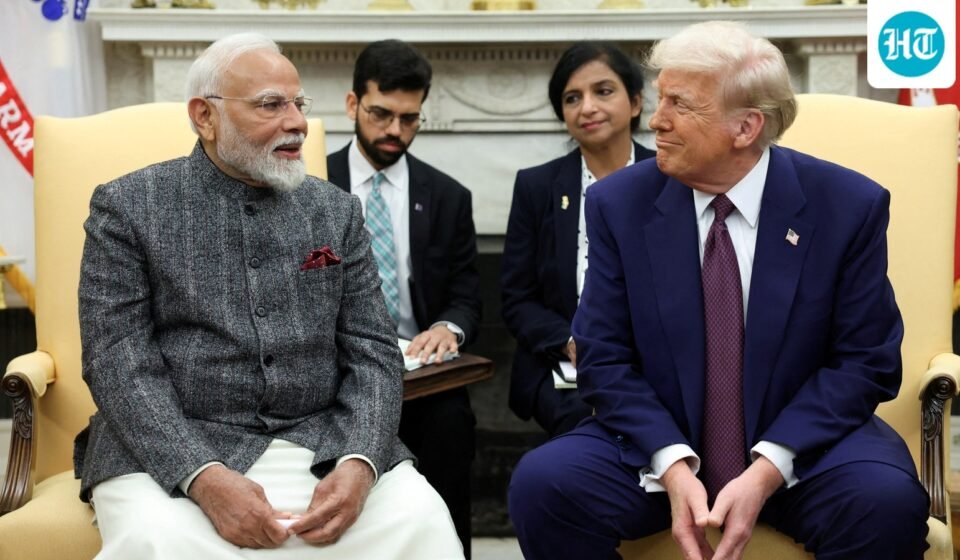
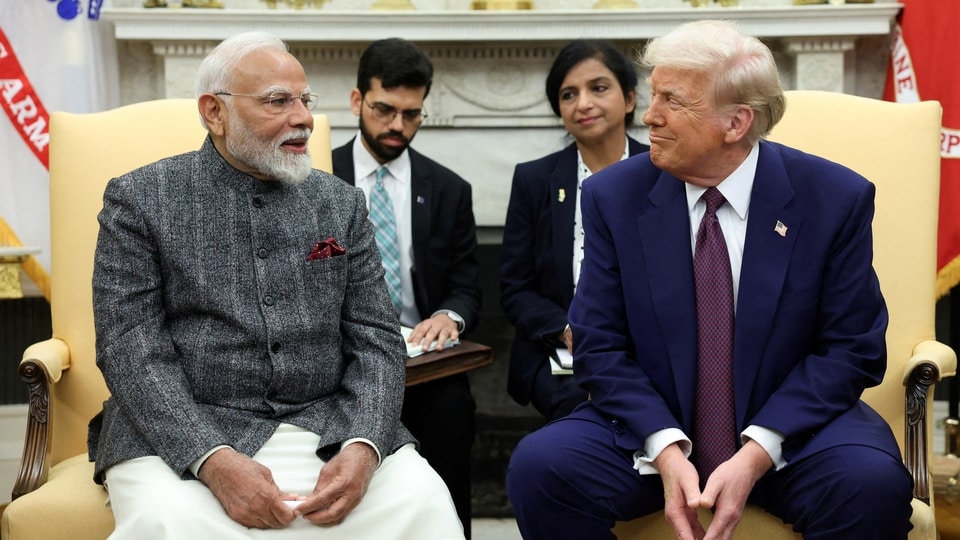
The US House of Representatives passed a sanctions bill on Russia by a 262-159 margin, which grants the Trump administration the authority to place tariffs of up to 100% on the five top purchasers of Russian oil and gas, which includes India. The bill – officially known as the Lindsey O Graham Sanctioning Russia and Iran Act of 2026 – will also likely target China, Slovakia, Hungary and Azerbaijan. The bill has already passed by an overwhelming margin in the Senate, which means it will now head to President Donald Trump’s desk to be signed into law.
The passage of the bill came after members of the majority Republican party unexpectedly brought the crucial and controversial bill to a vote this week. Only a week ago, the bill’s fate was thought to be uncertain amid divisions between both the Republican and opposition Democratic party about handing President Trump greater authority to levy tariffs ahead of November’s crucial midterm elections. The bill moved rapidly towards passage this week after the House Rules Committee removed a key procedural hurdle on Monday allowing the legislation to be brought for a vote. On Tuesday, the House narrowly voted by a 214-211 margin to set up a final Wednesday vote on the sanctions bill after two Democratic lawmakers unexpectedly crossed the aisle to vote alongside the majority Republican party.
To be sure, the Russia sanctions bill does not compel President Trump to place tariffs on countries purchasing oil and gas from Russia. It also includes substantial exemptions for America’s European allies, on the grounds that several of those nations have made efforts to reduce energy purchases from Russia.
“Today is a big day. Congress has just sent an unmistakable message to Putin,” said US Senator Jeanne Shaheen, who played a major role in backing the Russia sanctions bill.
Also read: US advances Russia sanctions bill: will Trump impose 100% tariffs on India?
The Trump White House’s role in securing the passage of this bill remains unclear. Last month, US Ambassador Sergio Gor stated that President Trump’s support for the bill had been muted even as legislators had sought to give the American commander-in-chief expanded tariff authority. However, recent reports in the US media indicate the White House may have played a key role in pushing for the bill by inducing lawmakers from the opposition Democratic party to vote for the legislation.
For its part, India has maintained a measured stance regarding the Russia sanctions bill.
Also read: Trump administration paid employees $9.5 billion not to work in 2025: Report
“..I want to reiterate once again that as far as energy sourcing is concerned by India, that is based on our national interest,” said Randhir Jaiswal, official spokesperson of the Ministry of External Affairs, at a press briefing in Delhi this week in response to a query related to the Russia sanctions bill.