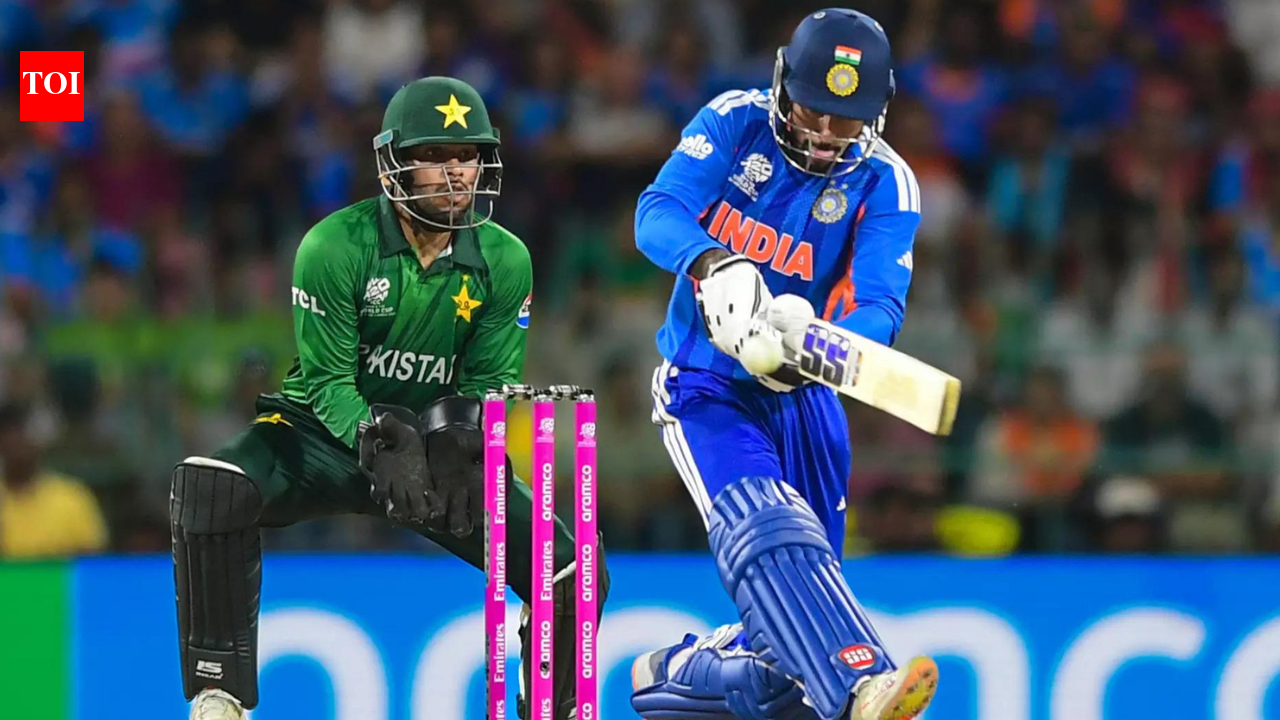
‘With so many left-handers, finger spin is the problem’: India coach sounds alarm ahead of Super 8 | Cricket News

Ahmedabad: India may have finished the World Cup league stage undefeated, but they still have some issues to sort out in the Super Eight stage before taking on better teams. India’s catch rate has been below par, but the most glaring flaw has been their batsmen’s failure to control spin, which has been one of the reasons for their failure in home Tests in recent years. The two main reasons why India got bogged down by the opposition spinners, especially the off-spinners, were the presence of too many left-handers in the line-up and a poor opening burst Abhishek Sharmahe has registered three ducks in a row.
India have faced 42 overs in the tournament so far, scoring 315 runs with a run rate of just over 7 overs. The spinner has taken 15 Indian wickets. Dutch off-spinner Aryan Dutt took figures of 2/19 in four overs on Wednesday. The US and Netherlands gave India a scare before finally falling, with some good work from their spinners. indian assistant coach Ryan Ten Duchard Admit that teams use finger spin to target them, especially considering the Men in Blue have several lefties on the roster. All top three (Abhishek Sharma, Ishan KishanTilak Varma) are left-handed, while Shivam Dube, Rinku Singh and Axar Patel added to that count. “The Dutch are running without the ball a lot of the time. Obviously, the team is throwing a lot of finger-spin balls at us and we have so many left-handers in the lineup. It’s a challenge. It makes it easier for the opponent. We don’t have many options. We have Sanju sitting out,” Judoshat said. This is an issue that India needs to address ahead of their Super 8 opener against South Africa on Sunday. The Proteas have quality spin options in captain Aiden Markram, George Linde and Keshav Maharaj. Even West Indies and Zimbabwe (the other teams in the group) have ample spin department and pose a threat that cannot be ignored. As shown in their league stage match against England at the Wankhede Stadium, the Windies have an efficient spin trio of Gurdaksh Mothy, Akhil Hussain and Roston Chase. Zimbabwe’s four-way spinning attack of Sikandar Raza, Ryan Bull, Graeme Kramer and Wellington Masakaza can also provide surprises. A dozen Saudis have pointed out that it is the finger spin that troubles the usually aggressive Indian batsmen. “I would say finger spin (was the problem). If you look at the total numbers, Pakistan bowled 14 finger spin in the last game and from my perspective the number was around 4/78. So it’s not a great number. Colombo is a particularly difficult wicket. The numbers against Netherlands improved on the back end. But again, Dutt bowled four overs and what he did was a huge challenge,” he said, adding that the bigger pitch added to India’s woes. “I think these two venues in particular – the boundaries are bigger here and the wicket is obviously slower in Colombo – exaggerates that. But it’s something we have to focus on. Considering the amount of finger spin we’re going to have in the next three games, it’s going to be important that we dominate at that stage of the game,” he added. Dozens of Saudis felt that India’s batsmen also looked vulnerable as the wickets in the league phase provided some help to the spinners. “It’s not a sudden thing. Over the last 18 months, the wickets we’ve taken in bilateral series have been really good batting trajectories. Then, once you get a wicket that offers a little bit of control, it becomes a challenge. “So this may look like a short-term issue. On better wickets, you won’t see it – you can bat with more confidence. But the point is we need to have a plan for wickets that do retain and have bigger boundaries. We need a clear game plan to deal with that threat,” he said. Given all the talk about “intention” and “fearless” approach in T20Is, India’s drop in run-rate after the Powerplay is also very surprising.