Lindsay Clancy trial: Why psychiatrist Jennifer Tufts is under fire, expertise questioned, ‘Box-checking robot’

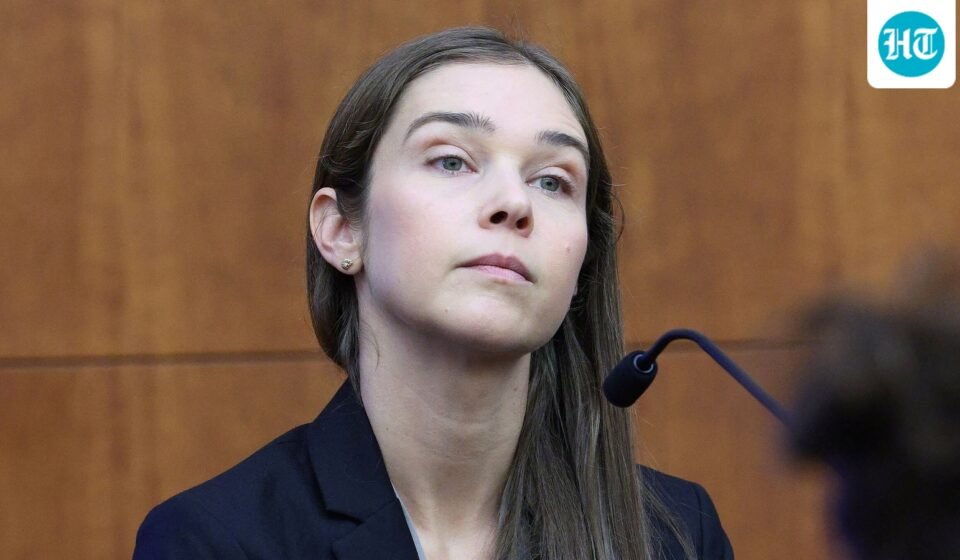
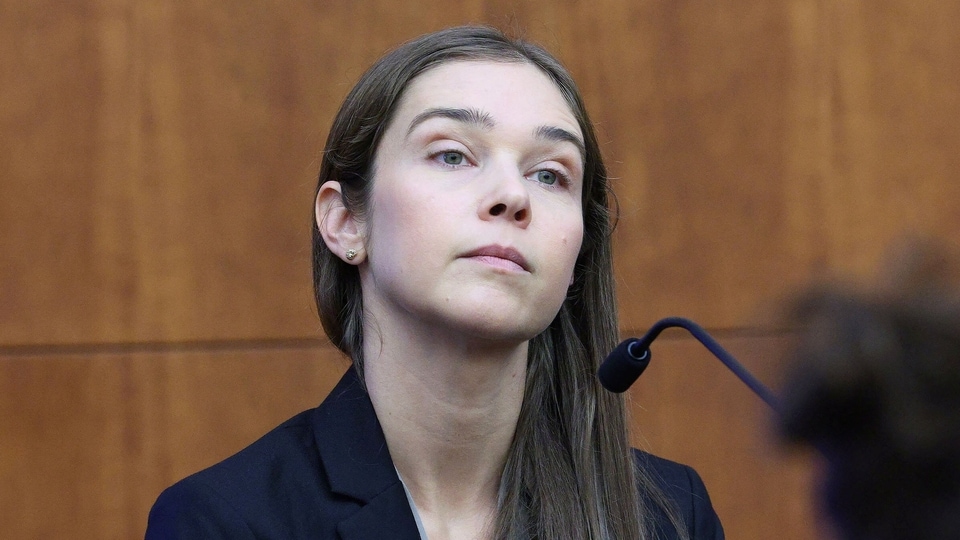
Lindsay Clancy’s psychiatrist, Dr. Jennifer Tuftscame under fire when the Massachusetts mother’s lawyer questioned her expertise and decision making for her overall treatment. Lindsay is facing three counts of murder in the killings of her children Cora, 5; Dawson, 3; and Callan, 8 months. The proceedings are taking place in a Plymouth, Massachusetts, courtroom.
According to prosecutors, Lindsay, 35, “acted intentionally, rationally and swiftly” when she fatally strangled her three children at their Duxbury home on January 24, 2023. Her defense attorneys, on the other hand, argued that she is not criminally responsible because she was in the midst of a psychotic episode that stemmed from postpartum mental illness.
Mental health professionals who treated her in the months leading up to the crime testified about her reported despair and intrusive thoughts. Family members described her behavior as increasingly withdrawn.
Lindsay Clancy’s lawyer slams her psychiatrist
During questioning on Monday, August 10, defense lawyer Kevin Reddington brought to focus Tufts’ use of 25-minute video appointments for limited talk therapy, digitalized note taking to document her observations and the series of pharmaceuticals she recommended as Lindsay reported several side effects, symptoms and concerns about taking medications. At one point, Reddington implied that Tufts was a “box-checking robot.”
Also Read | Will Lindsay Clancy take the stand? Can defendants choose not to testify? What we know
“What did you do? You had a woman who was telling you she felt hopeless,” Reddington asked as they discussed an appointment about two months before the killings.
“I told her that this was something we could address, that there was hope, that there are treatments, that there are different types of programs,” Tufts said, “so she knew that she still had options and a reason to hope.”
“Did you ever suggest to her that ‘maybe you should come in and see me, rather than on the computer?’” Reddington asked.
“Talking to her over the video didn’t seem like an issue. It didn’t seem like there was something I was missing,” Tufts replied.
Tufts saw Lindsay via video from September 2022 until the day before the children’s murders. Her diagnosis was generalized anxiety disorder and an adjustment disorder with depressed mood, per the Independent.
Tufts testified that Linday never told her about manic episodes, a criterion for bipolar diagnoses, or about hearing voices or having any other signs of psychosis. She added that at times, Lindsay did say that she was “close” to feeling suicidal, hopeless or like she was going to die, but said she had no intent of taking her own life or harming others. Tufts said that Lindsay never said she had thoughts about harming her children, as the defense said she did to her husband.
“I would have been very concerned if I had heard that,” Tufts said.
Lindsay is suing Tufts and other practitioners in civil court.
“I do not believe that I’ve been negligent,” Tufts testified in the trial.
Lindsay has pleaded not guilty to the murder charges. If convicted of murder, she faces life in prison without parole. In case she is found not guilty due to a lack of criminal responsibility, she would be committed to a state mental health facility.