
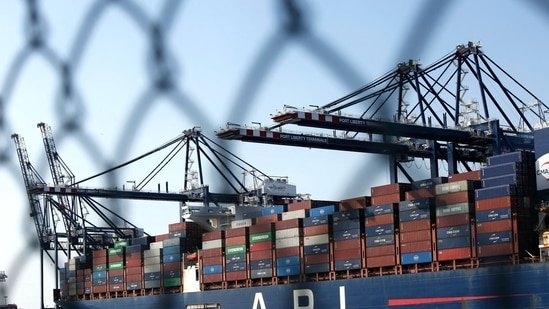
President Donald Trump’s tariffs are entering a new phase and may last for a long time, meaning Americans and businesses should expect continued import taxes rather than temporary measures. The White House’s latest tariff overhaul is not a major policy change but a legal reorganization aimed at preserving Trump’s trade agenda after previous tariffs ran into legal trouble.
for American consumers, This means continued uncertainty, supply chain disruptions and higher prices for many imported products. According to the Wall Street Journal, Trump’s trade war has lasted for about 18 months during his second term, with tariffs mainly leading to higher commodity prices rather than achieving all the economic goals promised by the government. So far, the tariffs have not significantly slowed the nearly $30 trillion U.S. economy, but they have not significantly reduced the U.S. trade deficit or revived domestic manufacturing as promised.
Trump’s new tariffs explained
According to the Wall Street Journal, on Thursday, Trump announced new tariffs of 10% to 12.5% on imported products from more than 80 countries, including many of the United States’ largest trading partners. The latest tariffs aim to keep import taxes at roughly the same level that businesses have paid over the past five months.
According to Reuters, the Office of the United States Trade Representative stated that the new Section 301 tariffs cover 99.4% of all imported products into the United States. Trade experts said the legal changes were aimed at keeping Trump’s tariffs in place longer following earlier court challenges.
Analysts expect overall effective tariff rates Imported from the United States Staying close to 10% means businesses will see little difference from what they are already paying this year. The U.S. government also plans to take more tariff action in the coming months, meaning additional import taxes are still on the way. That means Americans are unlikely to see import taxes disappear anytime soon, putting pressure on prices for many imported goods.
Why prices may remain high
Products including clothing, televisions, furniture and many other imported goods have become more expensive due to tariffs. Kelley Blue Book said the tariffs have caused new car prices to rise by $1,600 to $9,000 this year, according to the Wall Street Journal.
Fed economists estimate that tariffs have increased core commodity prices by about 3.1% through February. Because Americans spend far more on services such as housing, health care, entertainment and travel than on physical goods, overall inflation has a smaller impact. The Fed estimates that the tariffs will increase overall core consumer inflation by about 0.8 percentage points.
U.S. economy remains strong
Despite rising prices, the overall U.S. economy remains relatively strong. The inflation-adjusted U.S. economy grew 2.7% between the first quarter of 2025 and the same period in 2026. Despite tariffs, strong consumer spending and heavy investment in artificial intelligence have helped support economic growth.
The S&P 500 has gained about 31% since Trump unveiled his first major tariff package. However, the tariffs did not fully achieve the administration’s two main goals of reducing the trade deficit and restoring manufacturing jobs.
Also read: Despite Trump crackdown, Americans turn to Chinese AI as cheaper models challenge ChatGPT and Claude
Factory employment and trade deficit
In the first five months of 2026, the U.S. trade deficit totaled $297.91 billion, about 10% less than the same period in 2024, but still considerable. Since Trump returned to office, manufacturing output has increased 3.1%, but factory employment has continued to decline. In June 2026, there were about 75,000 fewer Americans working in manufacturing than in January 2025.
According to Reuters, Michigan vacuum cleaner manufacturer Bissell Inc said it expects tariffs to remain at around 10% to 15% and is therefore in no rush to import additional inventory before the new tariffs take effect. “We continue to operate our business because we believe tariffs will remain in the 10-15% range,” Bissell CEO Mark Bissell said.
More tariffs may be imposed
As of July 5, a further $31 billion had been collected under the 150-day temporary tariffs, but those funds could also be returned if a court rules against them. Legal experts believe the latest Article 301 Tariffs It is likely to withstand court challenges, as judges may be hesitant to block official measures aimed at combating forced labor.
Trade experts warn that these unexpected tariff announcements remain one of the biggest risks for businesses trying to plan ahead. According to Reuters, Eswar Prasad, a trade professor at Cornell University, said: “Trump’s eagerness to address a series of grievances by imposing tariffs will not only continue to disrupt the global trading system, but will also have a significant adverse impact on American households and businesses.”